The holidays have produced their annual crop of gift guides for music fans, and the biggest of them — a 16-item list published by SPIN Magazine and syndicated to Yahoo Shopping — makes a bold framing claim: physical media is back in vogue, and gadgets, gear and fashion now round out the options at "any budget." The premise is appealing. The execution, on closer reading, is a mix of genuinely useful picks and items that raise questions a gift guide usually prefers not to answer.
This is not a call to skip the list. Several entries are well specified, with real prices and real specifications. But a gift guide is also a sales document, and the second opinion worth having is simple: which items justify their numbers, and which are riding on a name? We covered a connected angle in How Virtual Gala Components Raise Real Money.
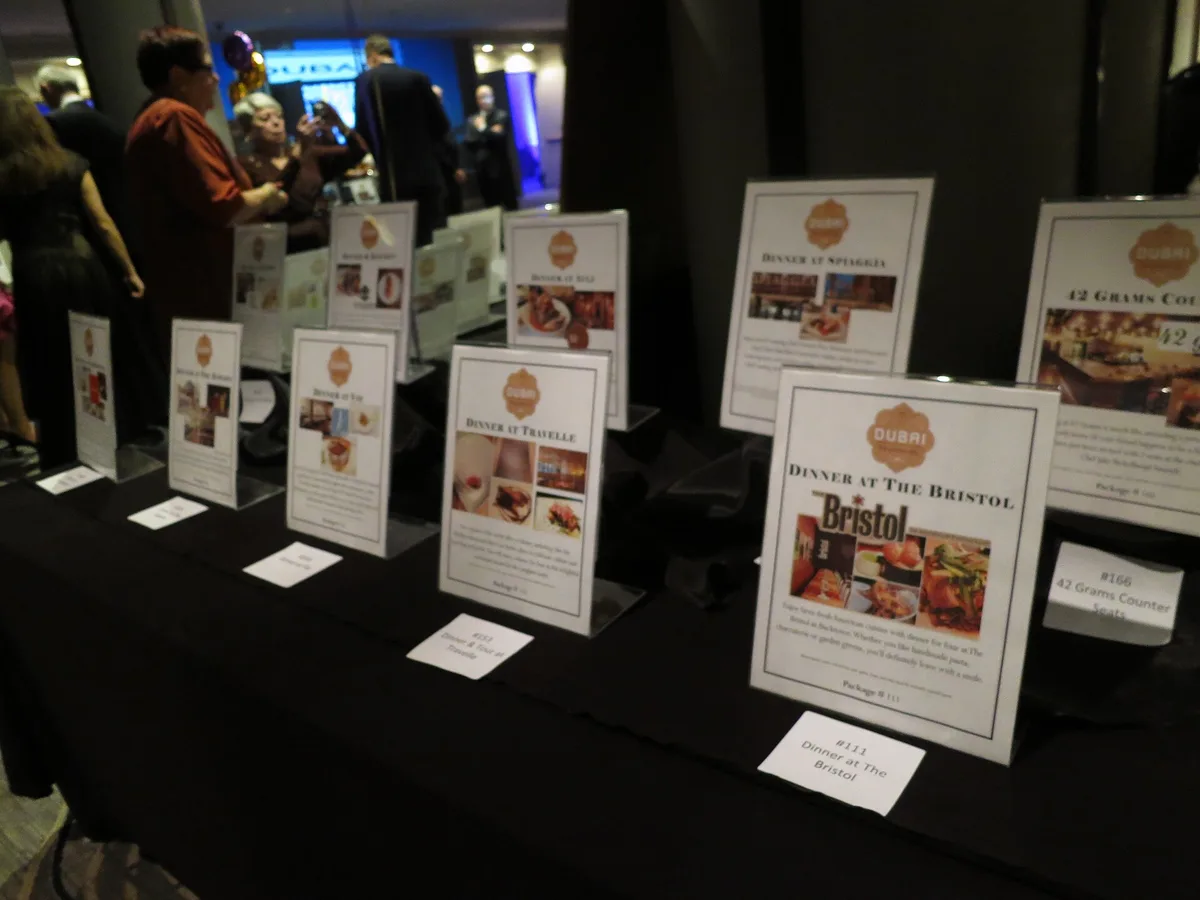
For readers tracking how the wider events economy prices its own experiences, from benefit tables to festival passes, the same skepticism applies — a price tag tells you what someone is asking, not what you should pay. Our coverage of galas makes the same point about charity nights: follow the money, then decide. For related coverage, see How Charity Galas Actually Raise Money for Their Causes.
What does the guide actually recommend, and at what price?
The clearest entries carry concrete figures. Q Acoustics' M20 HD Powered Wireless Music System lists at $479, timed to the company's 20th year in loudspeaker design, which the guide says dates to 2006. The specification is unusually detailed: aptX HD Bluetooth for wireless streaming, an array of hardwired inputs for a turntable, console or television, and a 22mm decoupled high-frequency driver, per the guide's description. A speaker pitched with specs rather than adjectives is easier to evaluate than one pitched with mood.
At the accessible end, Wes Parker's debut album Super Rare on vinyl lists at $35 on Big Machine Rock, and the Jimi Hendrix Live At Woodstock KiTalbum edition lists at $24.99, pairing physical artwork with digital listening. These are the entries where the guide's "any budget" claim holds up.
Which picks ask the most of the buyer?
The most expensive proposition is not an object but a trip. Wilco plays its first-ever shows in Africa in March 2027 at the Palms Events Center in Marrakesh, with a bonus performance inside the historic El Badi Palace on the afternoon of Friday, March 26 — and tickets start at $199, per the guide. Full travel packages are also on offer. The framing leans on rock history: the Rolling Stones and Led Zeppelin drew creative fuel from Marrakesh in the 1960s. That is atmosphere, not value. A $199 ticket is measurable; the inspiration is not. Buyers should price the full package before gifting it, because the entry point and the all-in cost are very different numbers.
Lutefish, at $249, sits in between. It is a device that lets musicians in different locations play together in time, with latency under 35ms over a wired Ethernet connection — a real technical claim, and a meaningful one, since video calls cannot keep a jam session in sync. Note the two conditions the guide states plainly: the device requires an Ethernet connection and an active membership. The membership cost is not disclosed. That is the kind of number nobody wanted printed.
Where does the name matter more than the object?
The Garcia x GRC x TMBR wooden sunglasses list at $60, a limited edition from TMBR and Grassroots California with handcrafted frames, a signature case and a pledge to plant 20 trees per purchase through GoodAPI and partner organizations. The guide ties the product to the Garcia family's licensing history, including the silk ties launched in 1992. Legacy merchandise is a legitimate category, but the buyer is paying for a name as much as for eyewear. Whether that trade is worth $60 depends entirely on the recipient.
Then there is the entry with no price at all. The Sonic Vessel is described as an immersive audio experience promising journeys through "out-of-body experiences, lucid dreaming, past lives, altered states, remote viewing, the afterlife, and the great unknown." It carries an anonymous testimonial and no listed cost. In a gift guide, an unpriced product making extraordinary claims deserves the most scrutiny of all, not the least. A reader cannot compare what is not stated.
What should a careful shopper take from all this?
The honest read of the SPIN list is that it is strongest where it is most concrete: a $479 speaker with named components, a $35 record, a $24.99 hybrid edition. It is weakest where it sells an experience or an aura — a pilgrimage to Marrakesh, a portal to the afterlife — because those pitches substitute story for specification. The same discipline applies to any premium event or object: ask what the number buys, what recurring costs hide underneath, and who benefits from the framing. The gift itself is easy. The audit is the part most guides skip, and the part a careful giver should not.