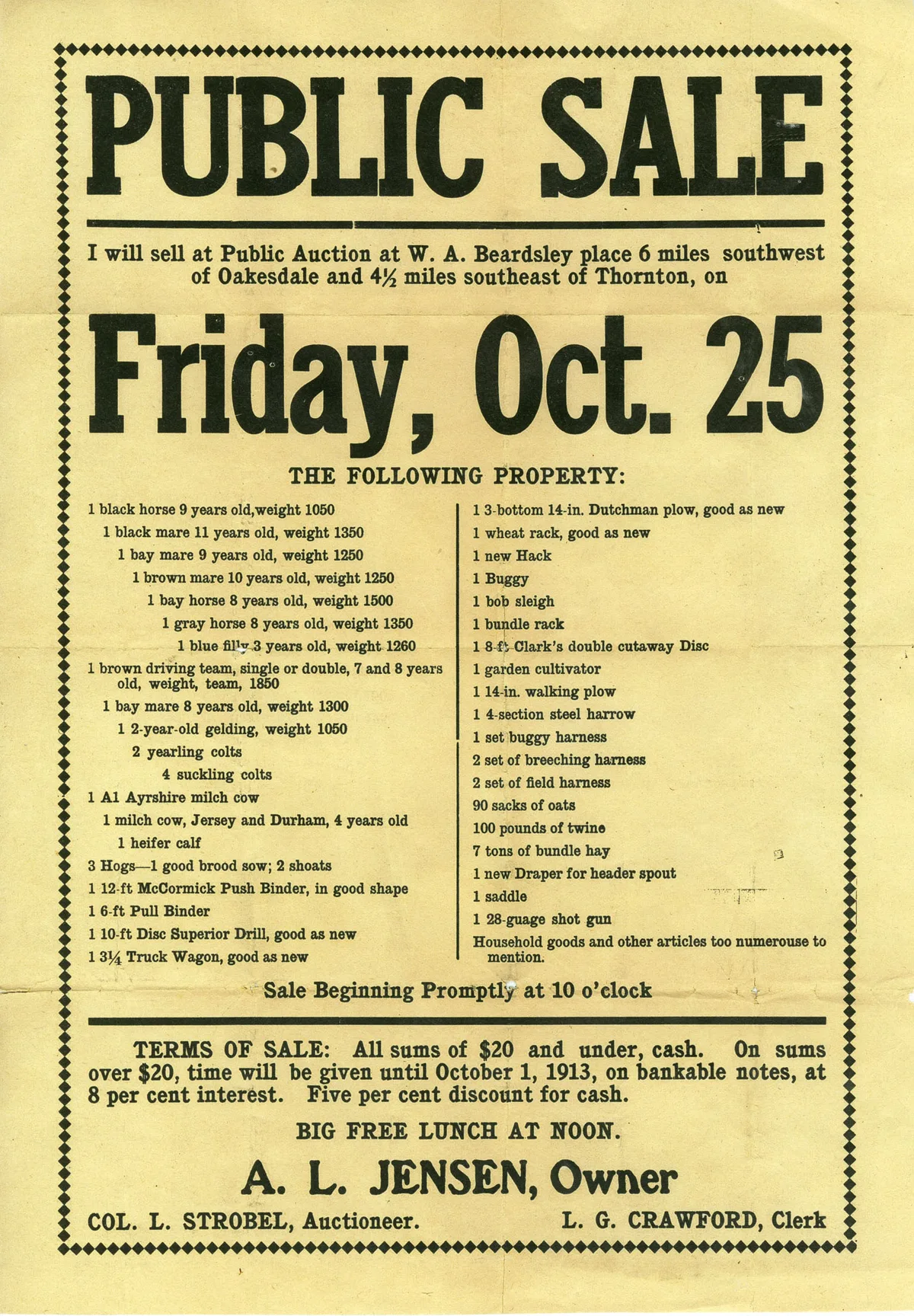
An auction guarantee is a promise made before the bidding starts. A guarantor sets a minimum for a lot, so the charity banks a floor even if the room stays quiet.
The sums can be large. When amfAR staged the 30th edition of its Gala Cannes, the night reached $16 million in total, per The Hollywood Reporter's recap.
That floor shapes the whole evening, from the lot list to the way after-parties get funded. The mechanism comes from the commercial trade, where The Art Newspaper describes it in one line: guarantees "ensure that a work is pre-sold at a minimum amount."
At benefits the same instrument appears under calmer names, such as underwriting. A tour of that world, from floors to budgets, sits in the site's galas section.
The tool matters to donors because it sets what a night can promise its cause before anyone raises a paddle.
How a Guarantee Works at a Benefit Auction
The guarantor and the organizer agree on a number before the event. If bidding passes it, the charity keeps every dollar above the line. For related coverage, see Galas in Boston: How the City's Signature Charity Nights Work.
If bidding falls short, the guarantor pays the gap, which is why auctioneers treat a guarantee as insurance for the night's largest lines. The Art Newspaper notes the other side of the deal: a third party "receives some of the upside should the work sell for more." It places the typical share at 20 to 30 percent of the overage.
- House guarantee: the auction firm stands behind the minimum itself.
- Third-party guarantee: an outside party takes the risk for a share.
- Benefit underwriting: a patron or vendor covers a shortfall.
- Paddle-raise floor: a supporter backs the fund-a-need total.
Who Underwrites Guarantees at Charity Events
At benefits the guarantor is usually a patron, a board member or a vendor close to the institution, not an outside investor. Terms are negotiated in advance and documented like any other pledge.
Some patrons back a single lot. Others stand behind the paddle raise, which hands the auctioneer a floor for the evening's biggest moment. This connects to our earlier piece, How Benefit Auctions Actually Work, From Paddle Raise to Paddle Fall.
Auction houses that run benefit galas also bring the practice with them, scaled to the room. Contract terms usually name the floor, the deadline and who holds the lot if it passes.
What the Guarantor Gains and Risks
The gain in the commercial trade is a slice of the overage, and the risk is the gap when bidding disappoints. Both sides know the terms before the lot opens.
Many charity guarantors decline the upside and take credit in event materials instead. The choice keeps the arrangement plain for the institution and simple to report.
For the host, the gain is cash certainty; the cost is a promise that must be honored quickly if the room cools.
What Benefit Lots Sold for at One Cannes Gala
The 2024 amfAR gala offered a worked example of lot results. A Calder painting opened at $25,000 and sold for $100,000, per The Hollywood Reporter's recap.
A 28-look fashion collection brought $500,000, a portrait of Queen Elizabeth II by Chris Levine sold for $475,000, and a Warhol lithograph of Elizabeth Taylor reached about $378,000, per the same recap. Those results carried the night to its $16 million total.
Lots like these are donated or lent by artists, galleries and fashion houses, which keeps the base cost of an auction low for the host.
The buyer's side has its own rules. IRS guidance allows a deduction only for the part of an auction payment above an item's fair market value, per Publication 526, and the publication's own example denies any deduction when the price merely equals fair rental value.
Conclusion: A Floor That Lets the Room Relax
A guarantee does not make a fundraiser larger; it makes the outcome readable in advance. The charity plans around a known number while the guarantor prices the risk.
Handled with plain terms and disclosure, the instrument is one reason benefit auctions keep anchoring gala budgets. The room bids with less weight on its shoulders.