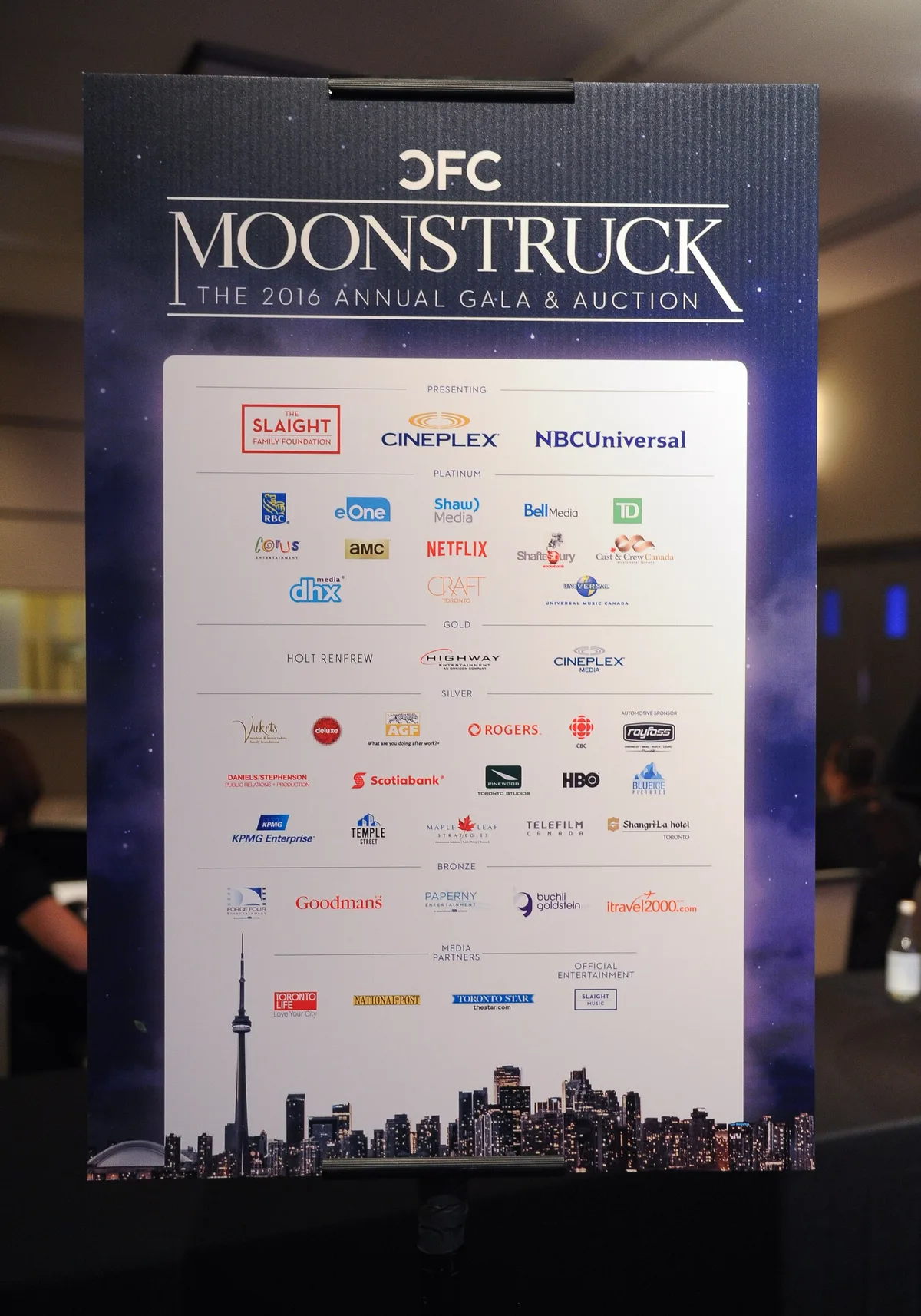
Every gala has a wall of logos near the door, and those logos are not there by accident. They sit in strict order, bought and paid for. The order is a ladder of sponsorship tiers, and each rung buys a different set of rights. Understanding that ladder helps both sides: organizers price their offer, and brands know exactly what they are buying.
Sponsoring an event means supporting it financially or through the provision of products or services. A sponsorship is a fee, in cash or in kind, paid to a property in return for access to its commercial potential, as Wikipedia explains. Unlike philanthropy, it is done with the expectation of a commercial return. That expectation shapes every tier, from title down to in-kind.
Title Sponsor: Top Billing
The title sponsor sits at the very top. This tier marks the most significant contribution to organizing and hosting an event, and the sponsor's name is often placed right next to the name of the event itself. The two become linked in every mention, so the brand travels with the gala across invitations, signage, and press coverage. When a title sponsor is present, the general sponsor slot may even remain free. That is how much weight top billing carries. For related coverage, see How Gala Invitations and Patron Circles Actually Work.
General Sponsors: The Heavy Backers
Below the title sits the general sponsor. According to Wikipedia, a general sponsor makes one of the largest contributions, usually more than 50% of all sponsorship funds raised when no title sponsor exists. The reward is broad: the right to use the image of the event and extensive media coverage. At a gala, this is the brand whose banner hangs over the ballroom and whose name the host thanks from the stage. Scale of money buys scale of visibility. We covered a connected angle in How Virtual Gala Components Raise Real Money.
Official and Category Partners
The next rung is the official sponsor, which provides a smaller share of raised funds, typically within 20 to 25%, per the same sponsorship guide. This status is often granted by category, so you see labels such as official insurance partner or official automotive partner. A gala works the same way. A jeweler may become the official gem partner. A champagne house may claim the toast. The category grant gives a brand a clear lane with no direct rival inside it, which is often worth more than raw logo size.
In-Kind Sponsors: Value Without Cash
Not every sponsor writes a check. In-kind support means the brand provides products or services instead of money. A florist dresses the tables. A print house produces the programs. A car service moves the guests. The event receives goods it would otherwise have to buy, and the brand receives visibility plus a live showcase for its work. Because sponsorship is defined as a fee in cash or in kind, these gifts count as real support, and organizers should log them at a fair value alongside cash.
Why the Match Matters
Research on sponsorship keeps finding one result. The best effects are achieved where there is a logical match between the sponsor and the sponsored event, such as a sports brand sponsoring a sports event. A mismatch can still work, but the sponsor must offer the audience some rationale for its presence. For galas, that means a fashion house or a luxury watchmaker fits naturally, while an unrelated brand needs a story before it buys in.
Conclusion: Every Tier Buys a Different Right
Sponsorship tiers are a price list for access. The title sponsor buys the name. The general sponsor buys scale and coverage. Official partners buy a protected category lane, and in-kind supporters trade goods and services for visibility. Organizers who spell out each rung clearly find it easier to sell, and brands that understand the ladder pay for exactly what they want, nothing more and nothing less.