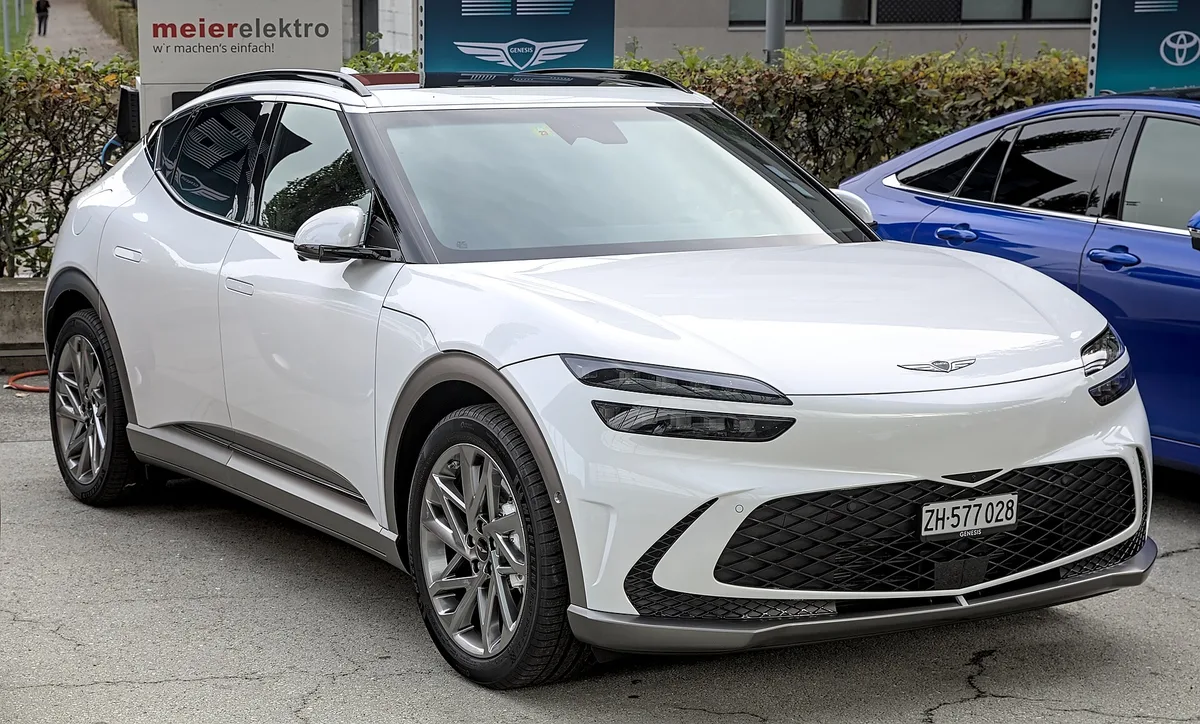
A luxury SUV is a vehicle that trades pure necessity for comfort, refinement and status — and the market now sells that trade at nearly every size and price point. The core question for any buyer is which of those three you are actually paying for: more cabin, more equipment, or a badge. Matching the answer to your budget is the whole exercise.
The dictionary sense of the word is a useful starting point. According to Merriam-Webster, a luxury is "something adding to pleasure or comfort but not absolutely necessary," and that definition maps cleanly onto the segment. A luxury SUV is not a tool. It is a comfort purchase, and comfort purchases reward buyers who know exactly which comfort they want.
This guide walks through the three variables that define the segment — size, comfort and drivetrain — and shows how they stack into recognizable price tiers. No specific transaction prices are quoted here, because those move constantly and vary by market; instead, the tiers are described by what each one buys, so a reader can place any model they are shopping against the ladder.
What actually makes an SUV a luxury SUV?
Strip away the marketing and three things separate the segment from mainstream vehicles. The first is materials: real leather or high-grade synthetics, metal switchgear, acoustic glass and insulation that quiets the cabin. The second is isolation — the feeling that road noise, wind and suspension harshness have been engineered out rather than merely reduced. The third is service and ownership: longer warranties in some cases, concierge-style maintenance programs, and dealer treatment built around the price of the vehicle.
What does not define the category is the badge alone. Some mainstream brands now offer trims that approach luxury-spec interiors, and some luxury badges sell base models with cloth seats and steel wheels. The honest test is the cabin and the ownership experience, not the emblem on the grille. Vocabulary.com's definition of luxury notes the word means "an indulgence rather than a necessity" — a reminder that in this segment, the indulgence should be something you can point to, seat by seat.
How does size change what you pay for?
The segment divides broadly into four sizes, and each size answers a different question.
- Compact luxury SUVs are the entry point. They prioritize maneuverability and running cost over space. Rear seats are usable but not generous, and cargo areas suit a family's weekly load rather than a family holiday.
- Midsize luxury SUVs are the volume heart of the market. Two rows of genuinely comfortable seats, meaningful cargo space, and the widest choice of engines and trim levels.
- Three-row luxury SUVs add a third row that varies enormously in usability. In some models it is a real adult seat; in others it is strictly for children or short trips. Check this in person — it is the single most common disappointment in the class.
- Full-size and flagship luxury SUVs are about presence and rear-seat experience as much as utility. The second row often becomes the place of honor, with recline, climate and entertainment controls of its own.
Size is also the clearest driver of price within any brand's lineup. Moving up one size class typically costs more than moving up two trim levels, so a buyer who overbuys size and underbuys trim often ends up with a worse cabin than a smaller, better-equipped sibling. Our analysis: decide the number of seats you genuinely use, then spend the remainder of the budget on equipment. This connects to our earlier piece, Luxury Vinyl Plank Flooring: When It Beats Hardwood and What Installation Really Costs.
Which comfort features are worth prioritizing?
Comfort in this segment comes in layers, and they are not equally valuable. The foundation layer — seat quality, climate control, cabin quietness — is where the money should go first, because it affects every trip. Heated and ventilated seats, multi-zone climate and a well-tuned suspension change the daily experience more than any single gadget.
The second layer is convenience: hands-free tailgates, 360-degree cameras, phone integration and driver-assistance packages. These matter, but they are also where option lists balloon. A useful discipline is to price the vehicle with only the first layer, then add second-layer options one at a time and watch where the total lands. Many buyers find that a mid-tier trim with the right individual options beats the top trim, which often bundles features they would never choose. Readers following this should also see Met Gala 2025 Went Menswear-First, With an All-Black Co-Chair Slate for the First Time.
The third layer is the prestige equipment — bespoke paint, exotic interior materials, branded audio systems. Some of it is genuinely excellent; some of it exists because the buyer is near the top of the ladder and the brand needs somewhere higher to go. This is where a quietly sceptical eye pays off. Judge each item on whether it improves the drive or the cabin, not on whether it carries a famous name.
What should you know about drivetrain options?
Drivetrain choice in a luxury SUV is a trade among traction, efficiency and refinement, and the right answer depends on where and how the vehicle is driven.
- Rear-wheel drive is the traditional luxury layout and often the most refined and efficient on dry roads, but it is the weakest choice in sustained snow or ice.
- All-wheel drive is the default in most of the segment now, and for buyers in variable climates it is usually worth having. It adds weight and cost and slightly reduces efficiency.
- Hybrid and plug-in hybrid versions of many models cut fuel costs, with plug-ins adding short-range electric driving for households that can charge at home.
- Fully electric luxury SUVs are now a major part of the segment. They offer very quiet, smooth running and strong acceleration, with the familiar caveats: charging access, winter range loss and resale questions that are still settling.
Performance variants sit across all of these. A faster engine in a heavy SUV delivers thrills, but it typically stiffens the ride — the exact quality many luxury buyers bought the vehicle to escape. Decide whether the vehicle is a comfort purchase or a driver's purchase before choosing a performance trim, because few models do both superbly.
How do the price tiers actually break down?
Thinking in tiers is more durable than thinking in specific prices, which shift with options, incentives and model years.
| Tier | Typical size | What it buys | Who it suits |
|---|---|---|---|
| Entry luxury | Compact | The badge, a refined cabin, strong tech, modest space | City drivers, first-time luxury buyers |
| Core luxury | Midsize | Real rear-seat comfort, wide trim choice, best variety of drivetrains | Families, long-distance commuters |
| Upper luxury | Midsize to three-row | Better materials, air suspension, more standard equipment | Buyers who spend hours in the car |
| Flagship | Full-size | Rear-seat-first design, near-silent cabins, bespoke options | Chauffeured use, road-trip priorities |
Two practical notes on the ladder. First, depreciation is steeper at the top: flagship models lose more absolute value in the first years, which makes lightly used examples one of the better values in the whole car market. Second, options do not hold value. A used buyer rarely pays for the previous owner's bespoke choices, so heavy option spending is largely money spent for the first owner's enjoyment alone.
What this means for your shortlist
The disciplined way through this segment is short and unglamorous. Fix the number of seats you truly use. Fix your climate and charging reality, which settles the drivetrain question. Then spend the remaining budget on the first layer of comfort — seats, quietness, climate — and treat everything above that as optional. A buyer who follows that order will usually end up in a lower tier than they assumed, better equipped than they expected, and with money left over.
The same scepticism this publication applies to handbag pricing or watchmaking applies here: the segment's craft is real, but so is its theater. The pleasure is legitimate — the dictionaries are right that comfort beyond necessity is what luxury means — provided the buyer can name the specific comfort they paid for. If you cannot, the badge is the only thing that arrived.