When awards season starts, the world talks about the dresses. Few people stop to ask who put each look together. Behind almost every turn on the carpet stands a stylist, part planner, part editor, part negotiator. The work starts long before the first flash fires and ends only when the star steps out of the car.
A wardrobe stylist selects the clothing for public appearances made by celebrities and models. A personal stylist, by contrast, advises one client at a time on new fashion trends, clothing styles, colors, and make-up. The two roles overlap. Still, the celebrity side of the job shapes a red carpet season. It runs on teamwork, taste, and long hours. For related coverage, see How Luxury Fashion Houses Report Heritage Craft.
Two Jobs, One Carpet
The terms get mixed up all the time. A personal stylist typically works one-on-one with a client and may review a wardrobe, organize it, and pick outfits for events such as weddings or business meetings. A wardrobe stylist builds looks for editorial features, ad campaigns, music videos, and public appearances. On the carpet, the wardrobe side of the craft dominates, though many professionals move between both kinds of work across a year. This connects to our earlier piece, Met Gala 2025 Went Menswear-First, With an All-Black Co-Chair Slate for the First Time.
Related titles fill the same space. Image consultant, fashion consultant, and personal wardrobe consultant all describe work that advises clients on clothing, accessories, hairstyles, make-up, and general appearance. Styling work also overlaps with fashion, retail, media, and photography, so stylists often work alongside hair stylists, make-up artists, photographers, and creative teams.
The Team Behind a Single Look
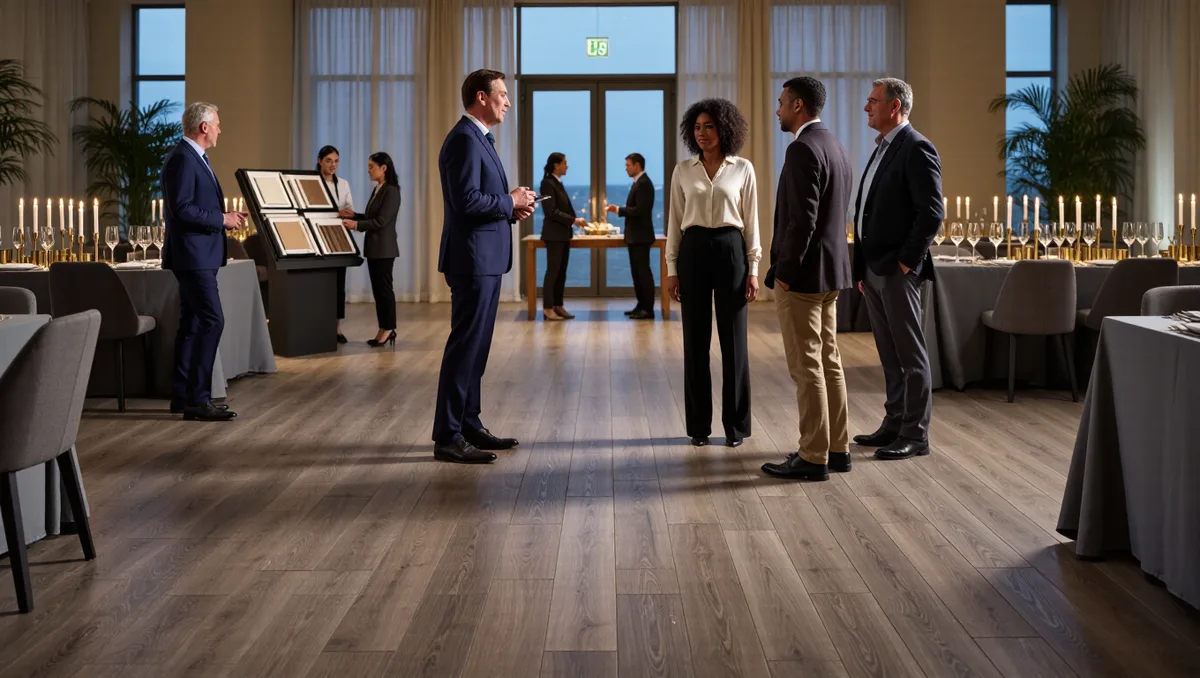
One look is never one person's work. Wardrobe stylists are often part of a larger creative team, as Wikipedia describes. The team joins a fashion designer, photographer, art director, hair stylist, and makeup artist. Together they build one look or theme for a specific project. For a big night, that means the gown, the hair, the makeup, and the jewels are planned as one composition. The stylist sits at the center of it, keeping every element pulling the same way.
How Stylists Learn the Craft
There is no single gate into styling, but there are standards. Public interest grew as famous celebrity stylists such as Rachel Zoe, Trinny and Susannah, and Gok Wan drew fans. Reality shows followed their day-to-day work and added more. Many stylists now affiliate with industry bodies. The Federation of Image Professionals International, based in the UK, sets industry standards in line with City and Guilds. Its Master Award covers colour analysis, style and body analysis, cosmetic application, personal shopping, and wardrobe management. Training at image schools can take up to a month to complete. Rules vary by country. In Canada, experience in fashion, art, or modelling is usually required. The job is not regulated there.
Building the Look, Step by Step
The process rewards method over luck. A stylist first reviews the client's wardrobe and the event's dress code, then shortlists pieces that fit the brief. Outfits are chosen to suit the setting and the person. The same logic guides dressing for a wedding or a business meeting. Fittings test the cut, the movement, and the comfort of sitting down. Everything gets rehearsed, because a look that fights its wearer reads on camera.
Timing matters too. Loans, tailoring, and backup options are arranged early, since a missing zipper on the day cannot be fixed with taste alone. The final run-through happens with the full team, so hair, makeup, and jewels land in step with the clothes.
Conclusion: A Season Is Won in the Details
Red carpet magic looks effortless because a small team made it so. The stylist frames the idea, the creative team refines it, and weeks of fittings turn it into a single clean image. Training bodies give the craft structure, but taste and planning carry the season. The next time a look stops the room, remember that it was built, not found.