Camping used to mean roughing it. Then travelers started paying resort prices to sleep under canvas. Glamping is a style of camping with amenities, and in some cases resort-style services, that traditional camping never had. The word blends glamorous and camping.
The boom is recent. The idea is not. Luxurious tent living has a long past. The modern version simply added Wi-Fi, real beds and design polish to an old wish: the outdoors, without the discomfort.
What glamping actually is
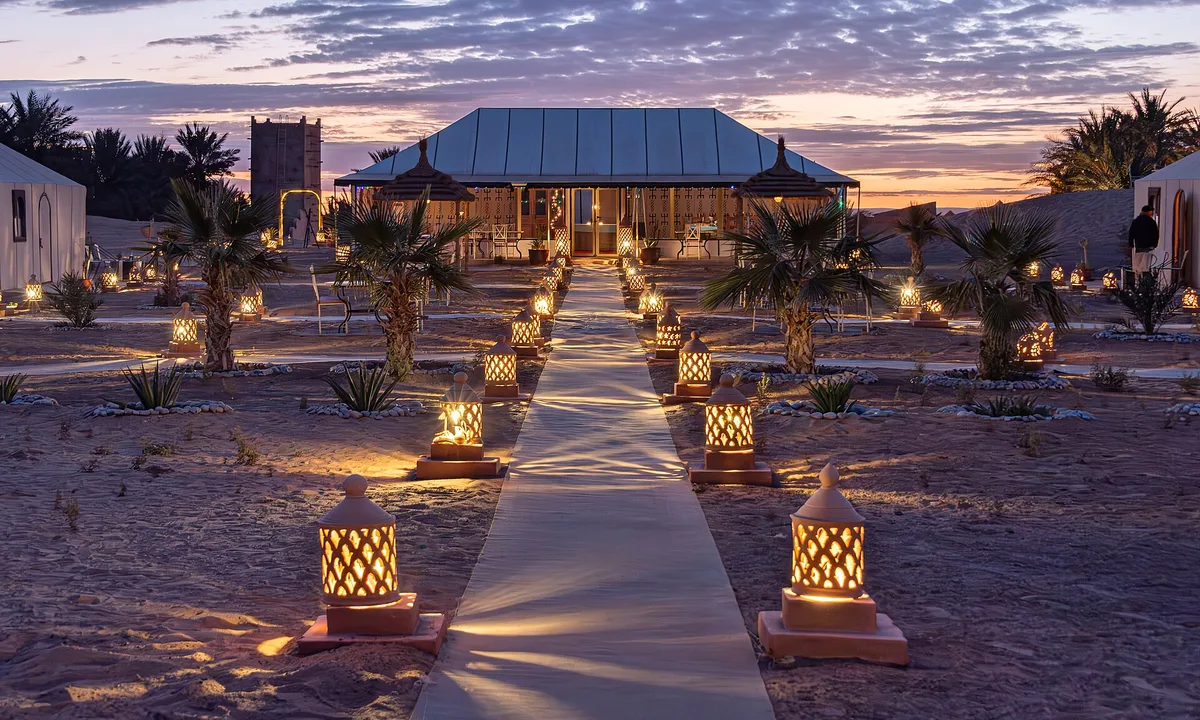
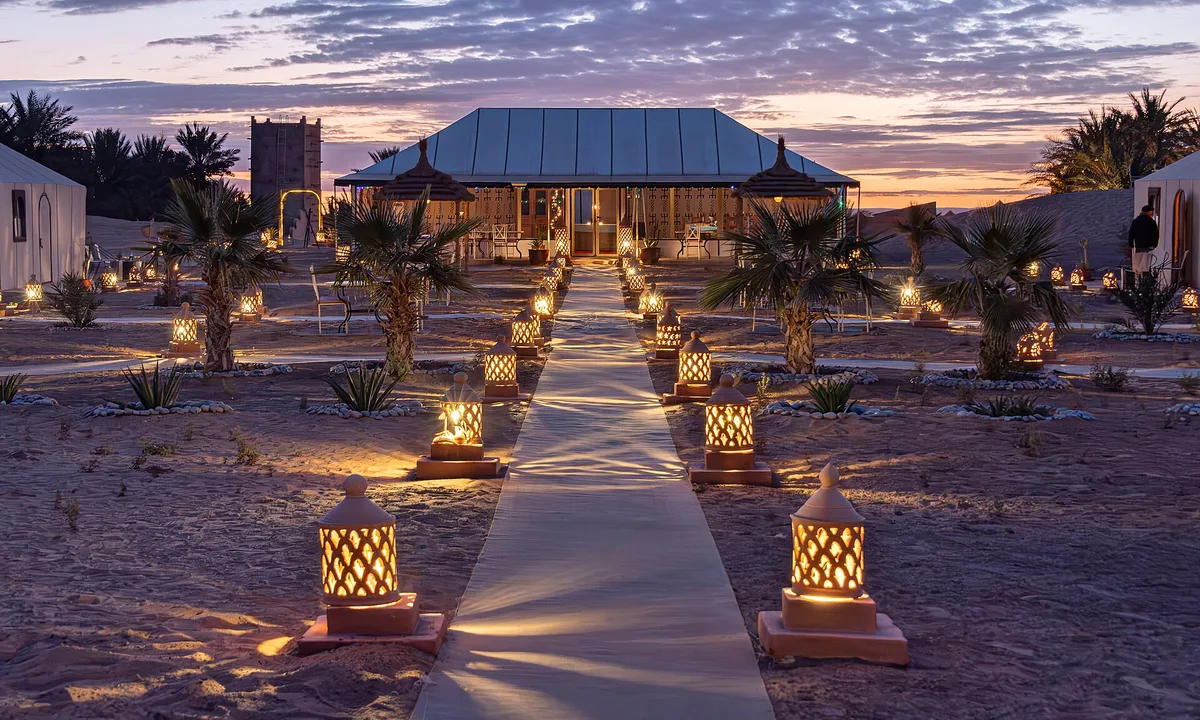
The format covers many structures. You will find cabins, treehouses, yurts and large tents, all fitted with comforts that campers once left at home. Travel guides describe the draw in simple terms. Guests want modern perks such as Wi-Fi, plus the escape and adventure of camping. A typical designer tent has soft sheets instead of a sleeping bag. It also has power, lighting, and often private bathrooms and restaurant service close by.
The old roots of luxury camping
The word has a short history of its own. It first appeared in the United Kingdom in 2005, and it joined the Oxford English Dictionary in 2016. The concept is far older. In the 16th century, the Scottish Earl of Atholl staged a lavish Highland event for King James V. He pitched grand tents and filled them with the provisions of his own palace. The most extravagant case came in 1520. The Field of the Cloth of Gold summit between the kings of France and England featured some 2,800 tents and marquees, and fountains ran with red wine.
The Ottoman court went further still. Sultans traveled with palatial tents. Teams of artisans moved with the army to raise and maintain them. The tents were richly worked in silk and metal thread, and they served as grand halls for banquets and ceremonies.
From safaris to designer tents
The 1920s brought the next chapter. African safaris became the thing to do among wealthy Americans and Britons. Those travelers refused to give up comfort. They carried electric generators, folding baths and cases of champagne into the bush.
Writers trace the modern revival to the 1990s. Safari camps grew popular in Africa and coastal Thailand in that decade. The trend then went global. By 2011, media reports noted that glamping had caught on across the United States, Europe and Australia.
What you actually book
The range of stays is wide. Bell tents and yurts anchor the classic end of the market. Shepherd huts and tree houses push it further. Beachfront properties on warm coasts sit near jungle camps and desert sites in the same season. In places such as Mexico, tented hotels range from the Caribbean coast to cenote-side camps inland. Many of those properties run permanent structures with private bathrooms, air conditioning and restaurant service.
Why glamping went mainstream
Three forces pushed it over the line. The first is comfort. Travelers want the escape of camping with the service of a hotel. The second is design. Spacious tents, dressed by designers, turned the campsite into a place worth the trip on its own. The third is circumstance. The pandemic years renewed interest in outdoor recreation and low-density stays, and glamping fit that shift with no changes at all. Readers following this should also see Met Gala 2025 Went Menswear-First, With an All-Black Co-Chair Slate for the First Time.
There is also a green case for it. Permanent sites manage waste and leave the ground intact. That is arguably kinder to the land than ad hoc camping, where tents are unpacked and waste is discarded poorly.
Conclusion
Glamping went mainstream because it removed the one trade-off camping always demanded: comfort. The word only entered dictionaries recently. Kings, sultans and safari travelers practiced the idea centuries earlier. Today it is simply the accessible version of an old luxury. You get the adventure of the outdoors, delivered with the amenities of a good hotel. This connects to our earlier piece, Luxury SUV Buyer's Guide: Size, Comfort and Price Tiers.