Luxury fashion houses report heritage craft the way other companies report research spending: as a deliberate, funded activity they expect a return on. The conglomerates that own the major maisons have spent two decades buying up specialist ateliers — embroiderers, feather workers, pleaters, goldsmiths, glove makers — and presenting them under the banner of métiers d'art, a term borrowed from French artisanal tradition that now functions as a business unit. The reporting happens in annual results commentary, sustainability disclosures and dedicated craft exhibitions, and its message is consistent: the skills are scarce, the houses maintain them, and the maintenance is part of the price.
What are the métiers d'art?
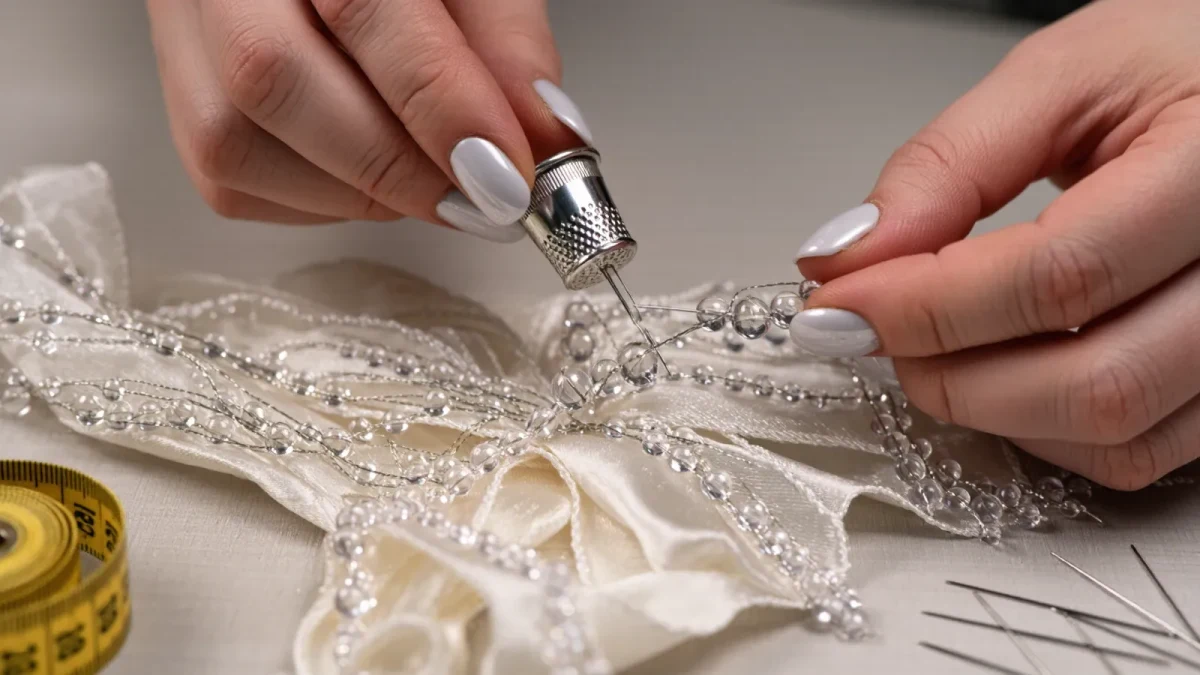
The specialist crafts a couture garment or accessory depends on beyond cutting and sewing. The list includes hand embroidery, feather and flower work, pleating, leather finishing, costume jewelry goldsmithing, millinery and textile printing — trades that historically lived in small Parisian and Italian workshops serving multiple houses. As those workshops aged out through the late twentieth century, luxury groups acquired them outright to secure supply, per corporate disclosures and Reuters coverage of the acquisitions. What was once a fragmented supplier base is now, in several groups, an in-house division with a name, a headcount and a place in investor materials.
Why did the conglomerates buy the ateliers?
Scarcity and control. A maison that depends on one workshop capable of a particular embroidery cannot risk losing it, and ownership guarantees priority access, quality standards and continuity of training. Acquisitions also converted supplier margin into internal capability, and — no small part of the logic — gave the groups the physical evidence of craft that their pricing narratives require. Executives have described the artisan divisions in results commentary as both production infrastructure and brand asset, per earnings-call coverage by Bloomberg and Reuters.
- Embroidery, feather, pleating and metalwork ateliers acquired by luxury groups since the 2000s.
- Artisan headcounts and training programs disclosed in corporate responsibility reporting.
- Dedicated métiers d'art collections commercialize the workshops' techniques annually.
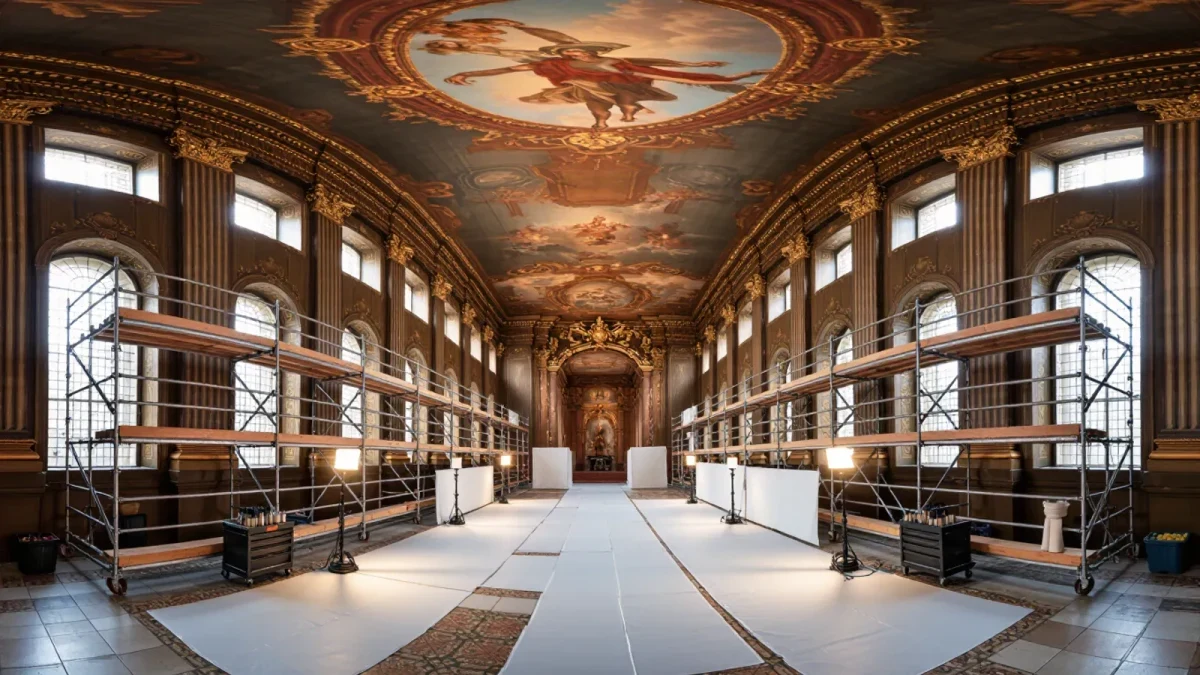
- Open ateliers and exhibitions turn production into public proof.
How is the craft actually reported to the public?
Through three channels, each with its own register. Annual and sustainability reports supply the numbers: artisan headcounts, training hours, apprentice intakes and preservation spending, presented alongside environmental metrics. The métiers d'art collections — recurring ready-to-wear or accessory lines built to showcase specific workshops — supply the commerce, converting technique into sellable product each December. And institutional communication supplies the theater: documentary films, foundation exhibitions and open-atelier events where press watch hands execute stitch counts. The houses learned that craft demonstrated beats craft described, which is why the factory tour, once unthinkable, became a luxury format.
Is the artisan pipeline really at risk?
By the industry's own account, yes. Houses and trade bodies have warned for years that hand-skills trades struggle to recruit: the work is exacting, the training long, and the candidate pools in traditional craft regions have thinned. The groups' answer is institutional — apprenticeship programs run with regional schools, in-house academies, and recruitment campaigns that reframe the trades as careers rather than nostalgia, per details in corporate responsibility reporting. The risk reporting is itself part of the story: a scarce skill the house preserves is worth more than one anyone can buy.
How does heritage craft connect to price?
It supplies the justification architecture. A bag or gown described in hours of handwork, named techniques and specific ateliers supports a price that materials alone cannot, and the houses build that documentation deliberately — provenance pages, craft films and artisan signatures travel with products as supporting evidence. Regulators in some markets have pushed the other direction, scrutinizing vague artisan claims where automation does more of the work than the story implies, per Reuters reporting on greenwashing-adjacent enforcement in luxury. The defensible position, which the major houses have converged on, is specificity: named workshops, named techniques, countable hours.
What do the archives add?
Institutional memory that functions as intellectual property. Maisons maintain heritage departments that restore historical garments, digitize pattern archives and feed provenance into new collections — activity the houses report through foundation publications and exhibition collaborations. The archive supplies both design vocabulary and legal weight: a documented creative lineage strengthens claims against imitators and supports the house's case for cultural status, which is the currency luxury trades in. When conglomerates acquire independent maisons, the archive is frequently cited among the assets valued, per deal coverage in the financial press.
Can the métiers d'art story be audited?
Partially, and the houses increasingly invite exactly that. Headcounts, training numbers and restoration budgets appear in published responsibility reports; atelier visits are granted to press; exhibitions put the work under glass with attribution. What resists audit is proportion — how many runway looks carry true hand-work versus how many carry the vocabulary of it. The honest version of the sector's claim, supported by everything the houses disclose, is narrower than the marketing: the skills are real, they are held, and they are expensive — and the business exists to make certain that stays true, because the day it stops, the pricing goes with it.Which houses set the pattern?
The French groups did, and the rest of the sector followed. The buying wave began in the 2000s, when Parisian specialist suppliers — the embroiderers and feather workers couture had depended on for a century — came within reach as their founders retired, and the conglomerates moved them onto their balance sheets one by one. Italian houses answered with their own model built on leather and knitwear districts rather than Parisian embroidery, narrated through factory foundations and school partnerships. Independent houses without a group’s budget report craft through smaller gestures: named artisans, provenance documentation and long-term supplier relationships presented with the same evidentiary care, because the audience — press, clients, regulators — now expects craft claims to arrive documented rather than asserted — a shift in accountability that has done more for artisan visibility than any single campaign, since every number published invites the next question, and the houses have decided that being asked is the point.
"