How the Film Market Side of Festivals Actually Works
Alongside every major festival runs a market — Cannes' Marché du Film, Berlin's EFM, the AFM — where rights are traded in booths, screening rooms and hotel suites on industrial schedules.
Entertainment News covers film, television, music and live performance where they meet the luxury trade: ambassador contracts, festival sponsorship, product placement and invitation-only screenings. Pieces name the parties, state disclosed terms and set out the commercial logic. Aimed at readers working across the entertainment and luxury industries at once.
Film, television and live performance where they meet luxury: campaign deals, festival programming, private screenings and the terms behind them.
Alongside every major festival runs a market — Cannes' Marché du Film, Berlin's EFM, the AFM — where rights are traded in booths, screening rooms and hotel suites on industrial schedules.
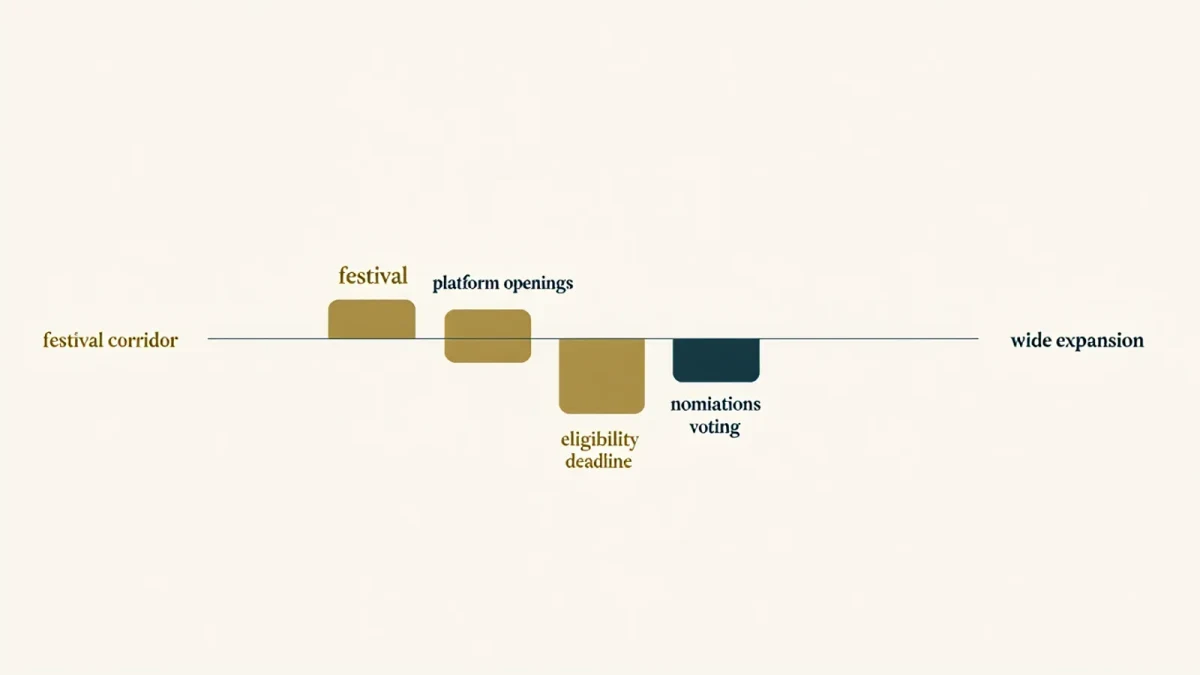
Release dates for prestige films are engineered backward from eligibility deadlines, voting calendars and the festival corridor that feeds them — a schedule shaped by rules as much as audiences.

Film preservation is a race against chemical decay, fought in cold-storage vaults and restoration laboratories by institutions like the Library of Congress and donor-funded foundations.
Within a decade, streamers went from fringe buyers at festivals to the buyers who set the price of independent film — and then to the disciplined spenders of the correction years.

For a film without a studio behind it, a festival premiere is simultaneously a sales floor, a review aggregator and a credential that determines whether it reaches theaters at all.
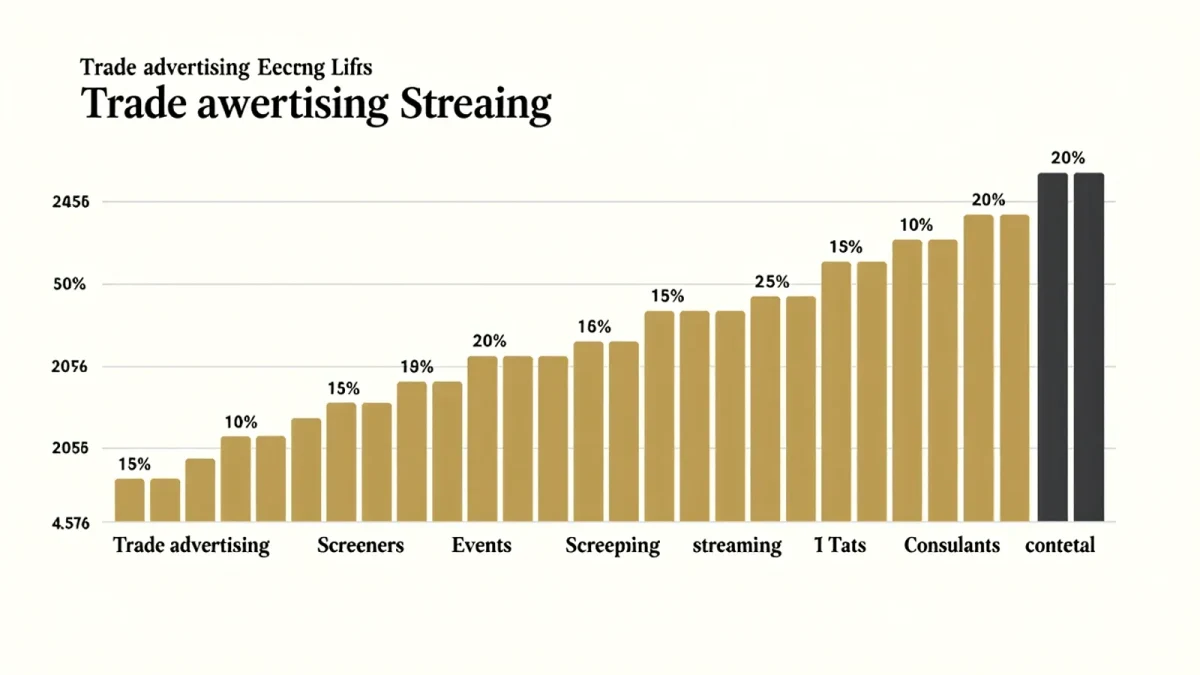
Oscar campaigning is a paid pipeline of screeners, trade advertising, Q&A events and consultant fees that routinely runs into eight figures for a best-picture push.