Streaming platforms rewired the economics of film festival acquisitions twice in fifteen years. First, from roughly 2015 to 2021, global streamers — Netflix and Amazon Prime Video first, then Apple TV+ and others — bid festival prices upward by buying worldwide rights at sums theatrical distributors could not underwrite. Then, from 2022, the correction: spending discipline, fewer output deals and a market where sellers adjusted expectations back toward pre-boom levels.
What did festival acquisitions look like before streaming?
Before the streaming era, a typical independent film was sold territory by territory. A North American theatrical distributor paid a minimum guarantee, international sales agents assembled country-by-country deals at markets, and revenue accreted slowly across windows: theatrical, home video, television. The DVD boom of the 2000s funded this system, and when DVD collapsed, the independent middle of the market — mid-budget dramas made for adults — thinned out dramatically, a contraction widely analyzed in industry reporting of the period.
When did streamers start buying at festivals?
Amazon Studios and Netflix arrived as serious acquisition forces in the mid-2010s. The signal moment came at Sundance in 2016, when Amazon supported a wide theatrical release for a prestige acquisition, and by 2017 the trade press was recording festival prices that broke records: Netflix paid a reported $12.5 million for Mudbound at Sundance that January, then among the largest deals in the festival's history. By the late 2010s, streaming buyers were routinely the deepest pockets at Park City, Cannes and Toronto.
Why could streamers outbid theatrical distributors?
Because they were buying a different product. A theatrical distributor models a release against box office, with marketing costs paid in cash and revenue shared with exhibitors. A streamer models a title against subscriber acquisition and retention — a global, subscription-priced audience — so a worldwide buy at a premium price could be justified internally without a single ticket sold. Sellers naturally routed films toward the buyer with the bigger model.
What did that do to sellers and filmmakers?
Windfalls, and then a reckoning. Filmmakers of breakout documentaries and features saw festival sale prices reach multiples of pre-boom norms, and production financing loosened in expectation of streaming exits. But a global streaming sale collapsed the window structure: no theatrical run in most cases, no territory-by-territory life, and limited backend for participants paid on box office participation. Agents and sales agents spent the peak years negotiating carve-outs — limited theatrical qualifying runs for awards eligibility — that became standard clauses in streaming-era contracts.
What changed in 2022?
The subscription growth story stopped, and spending followed. Investor pressure pushed streamers toward profitability metrics in 2022, output slates were cut, and the volume of big festival buys fell sharply. The reversal was visible in one emblem: Netflix returned a chunk of its content spend to licensing others' libraries, and studios pulled titles back from the platform. Festival sellers reported fewer bidders per title and lower guarantees — trade coverage through 2023 and 2024 described a buyer's market at Park City and a return to conservative, theatrical-first deals for many films.
Who filled the gap after the correction?
Traditional specialty distributors, in part. Companies like A24, Neon and Searchlight — Neon having distributed the Palme d'Or winner Parasite and its historic 2020 Oscar run — demonstrated that theatrical independent film could still perform at scale. When streamers thinned their festival buying, the specialty sector regained negotiating position, and hybrid models spread: a theatrical window followed by a licensed streaming home, with prices set somewhere between the boom peaks and the pre-streaming floor.
How do festival prices look by the mid-2020s?
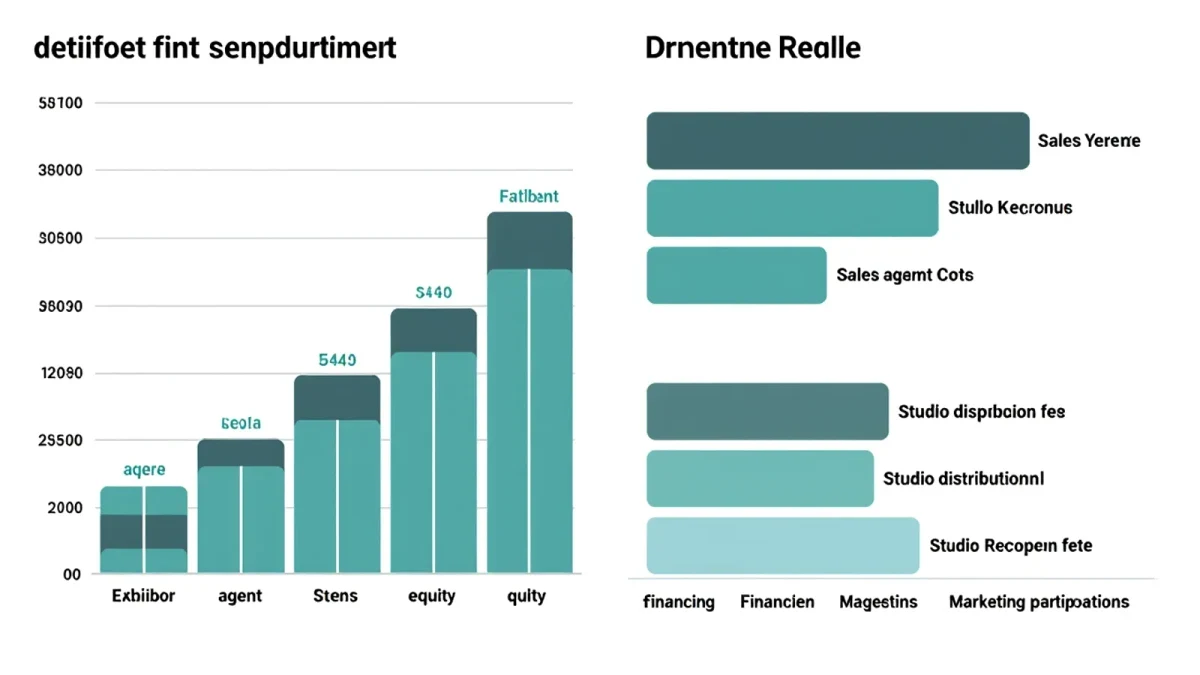
- Peak-boom benchmarks: global streaming deals reported in the $10-25 million range for marquee festival titles in the late 2010s.
- Correction-era norms: fewer worldwide buys; more territorial and windowed deals, with trade reporting on lower overall acquisition volume at Sundance after 2022.
- Documentary market: the genre most inflated by streaming demand and most deflated by the correction, with far fewer seven-figure doc deals by 2024.
- Hybrid standard: theatrical-first releases with later streaming licenses now dominate the mid-market segment streamers abandoned.
Did the festivals themselves change?
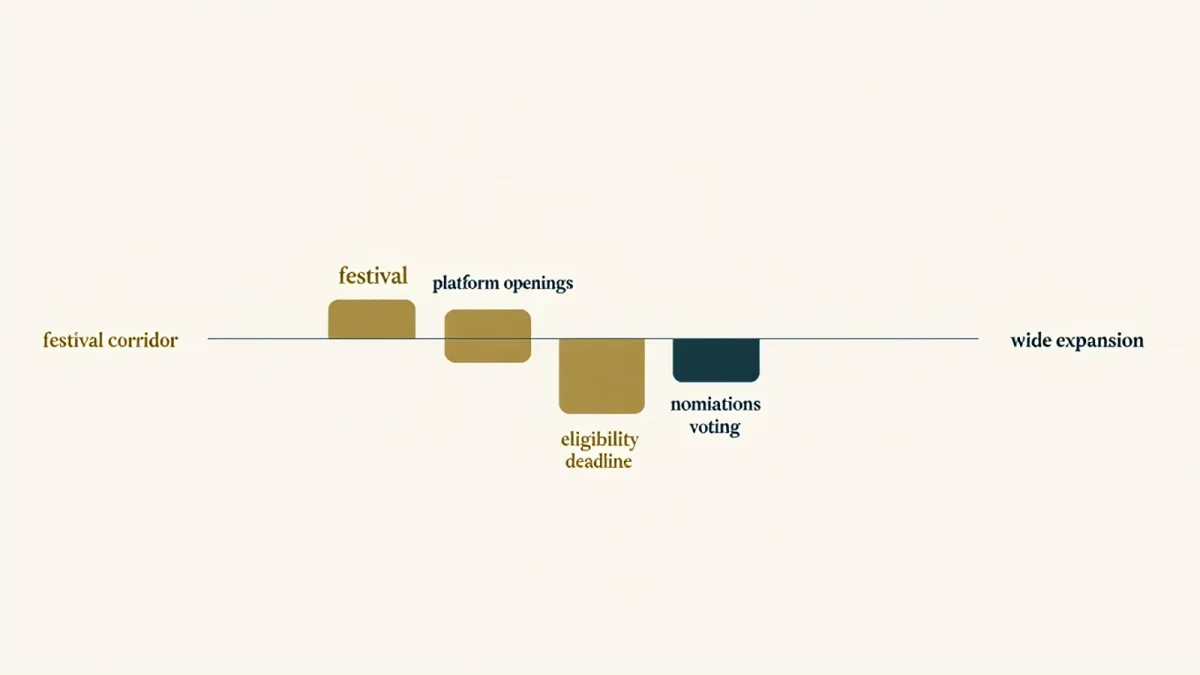
Yes, in status terms. Festivals spent the streaming decade arguing about eligibility: Cannes held its ground on French theatrical windows, effectively excluding Netflix titles from competition after 2017, while Venice and Telluride welcomed streamers and became the launch platforms of choice for awards-season originals. The rules of individual festivals still encode, in effect, a position on whether a streaming premiere counts as cinema.
What is the settled picture by early 2026?
A two-track market. Streamers remain essential buyers, particularly for commercial genre titles and documentaries with global hooks, but they buy selectively and negotiate hard. Theatrical specialty distributors compete again on films they would have lost in the boom years. Filmmakers weigh a real question their predecessors did not: a smaller guaranteed streaming payment against a theatrical release that pays less upfront but builds a career differently. The festival marketplace, once reshaped by one buyer's model, has settled into something older and something new at once.
How did filmmakers and guilds respond to the streaming boom?
With contract adjustments and public argument. Talent guilds renegotiated residuals as streaming replaced theatrical and home-video revenue, a negotiation that produced new bonus structures and, eventually, the industry strikes of 2023, in which streaming compensation was a central issue. Filmmakers negotiated theatrical carve-outs into sale agreements, and agents began pricing window structure — not just total sum — as part of any festival deal. The boom redistributed money upward; the correction redistributed leverage back toward buyers.
What did the correction teach sellers about deal structure?
To keep rights divisible again. Sellers who had grown accustomed to single worldwide checks returned to territory-by-territory architecture, holding back formats and windows — theatrical in one region, streaming elsewhere, aviation and hotel licenses separately. Sales agents describe the mid-2020s market as one where flexibility is priced: a buyer wanting exclusivity pays for it explicitly, and sellers learned from the boom that optionality, once surrendered wholesale, is expensive to buy back.