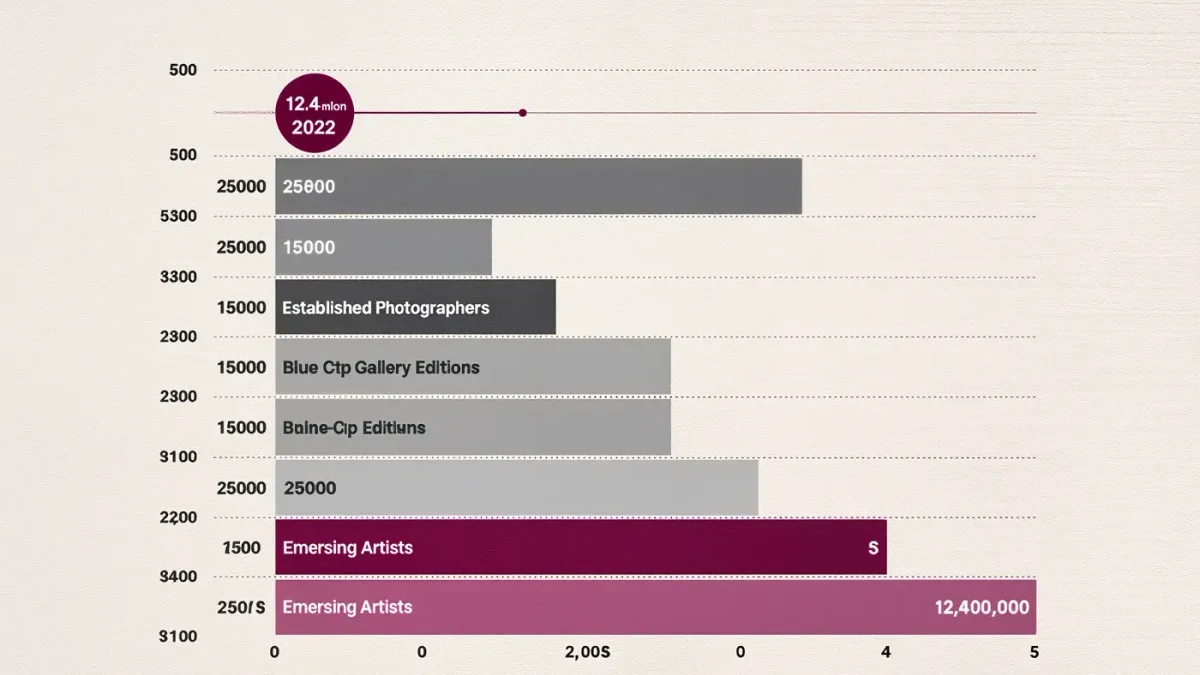
Running alongside the major festivals is a parallel business: the film market, where distribution rights are bought and sold at industrial scale. The Marché du Film in Cannes is the largest, with attendance that its organizers have reported above 12,000 accredited industry professionals from well over a hundred countries. Berlin's European Film Market and Los Angeles' American Film Market complete the big three, and together they constitute the wholesale layer of the independent film industry.
What is the difference between a festival and a market?
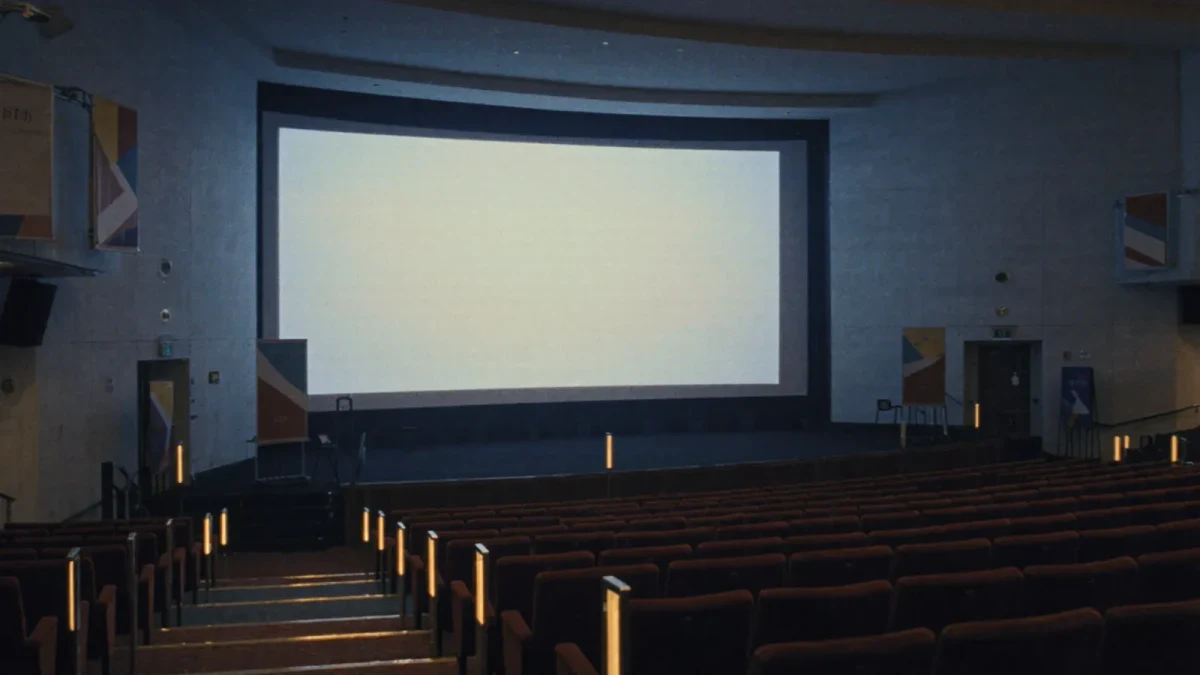
A festival is a curated public event; a market is a trade fair. The festival selects films for prestige and audiences, while the market beside it screens hundreds of additional titles — finished films seeking distribution and unfinished projects seeking financing — for registered buyers. The two overlap physically and strategically: a premiere in the Official Selection generates press that raises a film's price in the market downstairs, which is why sellers prize both.
How does the Marché du Film work?
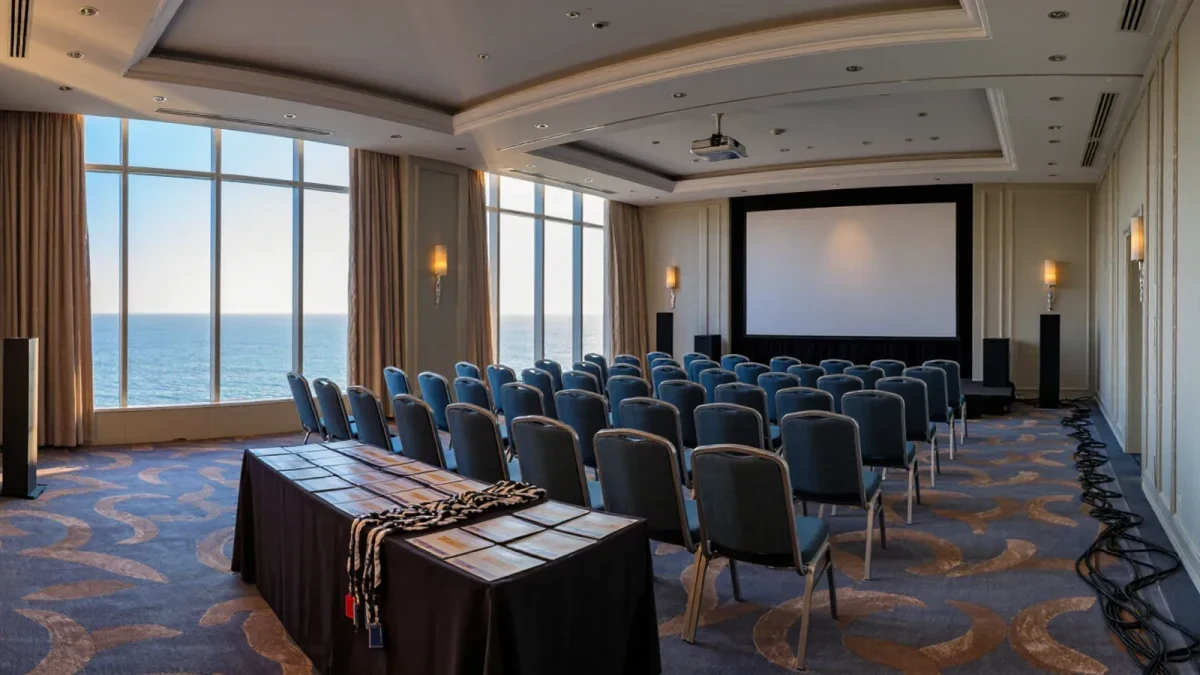
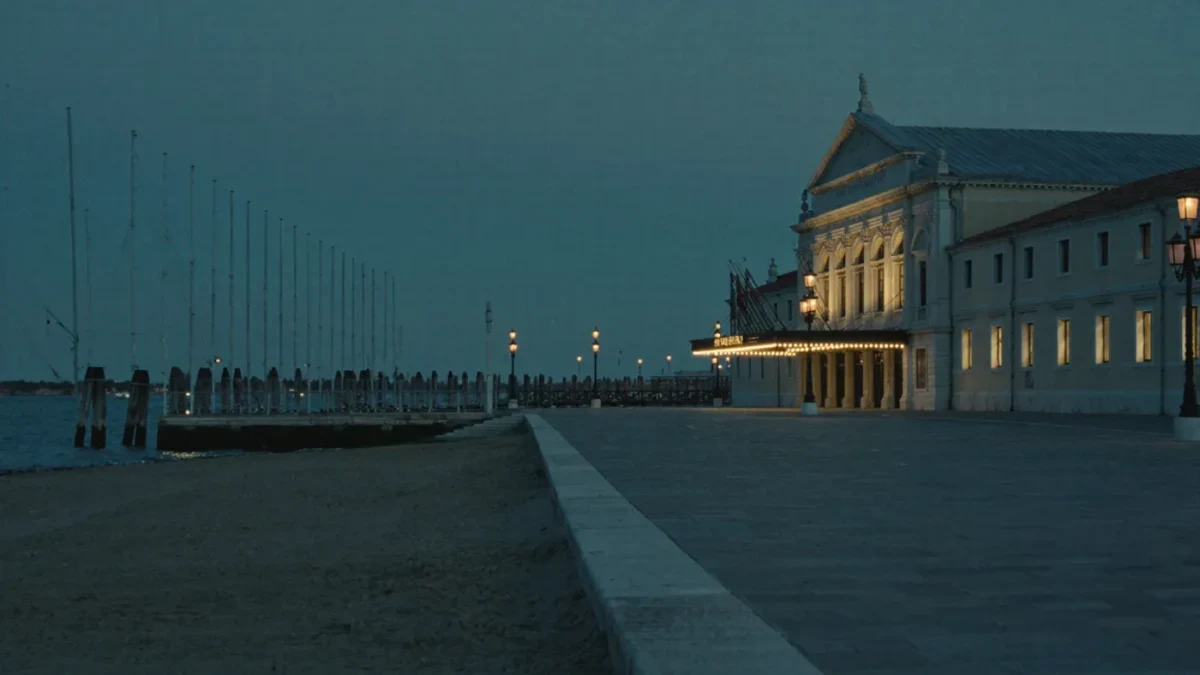
During the Cannes festival, the Marché operates screenings in dedicated venues across the town, plus a badge system, meeting spaces and an online catalog. Sellers book screening slots for their films; buyers — theatrical distributors, streamers, television buyers from every territory — move between screenings on tight schedules. Deals for international rights are negotiated on terraces and in hotel suites throughout the two weeks, with the biggest announcements usually tied to films premiering in the festival's own sections.
What is the EFM?
The European Film Market runs alongside the Berlinale each February. It skews toward European art house and co-production, structured around the Berlinale Co-Production Market, which arranges meetings between producers with projects in development and potential financiers. The EFM's organizers report thousands of accredited industry attendees, and its position early in the year makes it a first-look venue for titles that will resurface, completed, at Cannes or Toronto.
What is the AFM and how is it different?
The American Film Market, historically held each autumn in Santa Monica and operated by the Independent Film & Television Alliance, is a market without a festival attached. It is a pure content market — sellers rent offices in a hotel, buyers rotate through meetings, and the product skews toward genre films and finished titles sold territory by territory. The AFM has historically served the mid-budget independent and international trade, the layer of the industry below festival prestige but above direct-to-streaming aggregation.
Who attends, and what does access cost?
Attendance is credentialed and paid. Markets sell badges to verified industry professionals, with fees that the organizers publish on their registration pages — typically ranging from a few hundred euros for early-bird registration to substantially more for late or corporate passes. Badges are tiered, with access to screenings, the online catalog and meeting platforms varying by category. Markets verify that attendees are genuine industry — the events are closed to the public by design.
How are deals actually structured at a market?
- Minimum guarantee (MG): a distributor pays an advance against future revenue for rights to a territory; the seller keeps recoupment positions above it.
- Territory-by-territory sales: the classic model, in which a sales agent assembles separate deals per country from a market floor.
- Worldwide buy: a single buyer — usually a streamer — takes all rights everywhere, trading scale for a lower per-territory sum.
- Pre-sales: rights sold before a film is shot, based on script, cast and poster; pre-sales finance a substantial share of independent production budgets.
- Co-production: financiers from multiple territories take equity and territorial rights simultaneously, often brokered at co-production markets like Berlin's.
What do sellers actually bring to a market?
A slate. Sales companies represent packages: finished films, festival premieres, works in progress and projects announced with cast attachments. The economy runs on star value and genre — action thrillers with name casts trade efficiently at AFM, while auteur films trade on festival pedigree at Cannes and Berlin. Market screener screenings are scheduled from early morning into the night, and a market badge's real value is the meeting calendar a seller or buyer builds around them.
How have markets adapted to streaming?
By adding digital layers. Markets launched online screening platforms and virtual editions during the pandemic years, and the Marché and EFM have retained hybrid formats — online catalogs, virtual screenings and digital networking — alongside their physical events. The streaming boom also moved deal-making off the floor: global platform buys, negotiated privately with a single counterparty, reduced the number of multi-territory auctions conducted in market hallways, a shift trade coverage has tracked since the late 2010s.
Why do markets matter to what audiences see?
Because they are the bottleneck through which most non-studio films reach any country. The subtitled release in a local arthouse, the genre title on a streaming carousel, the festival darling that arrives a year later — each passed through a market transaction. Festivals decide what is celebrated; markets decide what actually travels.
What role do sales agents play on the market floor?
They are the floor's operating system. Sales agents acquire representation rights before a market, produce the materials — trailers, posters, clip reels — that sell a film, book screening slots and meeting schedules, and negotiate territory by territory on behalf of producers. Their commissions, which trade reporting places in the 10-20 percent range of gross sales, fund year-round operations built around two or three markets annually. A strong sales agent's buyer relationships frequently matter more than a film's festival premiere in determining how widely it travels.
What has changed for markets in the 2020s?
Consolidation and formalization. The AFM reworked its calendar and location after the pandemic disruption, markets layered permanent digital platforms over their physical events, and co-production financing became a larger share of business as pure acquisition spending pulled back. Organizers also expanded industry training programs, acknowledging that the market's future depends on a professional buyer class in emerging territories. The trade-fair format has proven durable because rights trading needs neither audiences nor critics — only verified counterparties and a schedule.