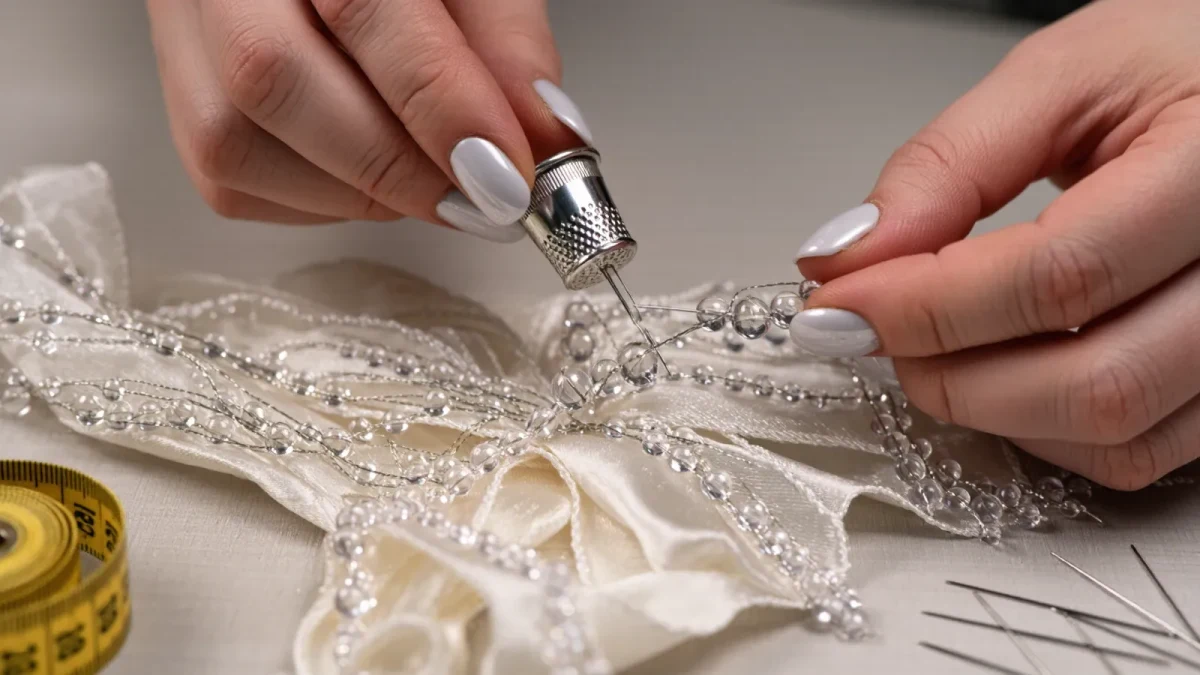
Haute couture survives because it was never designed to make money on its own. The Chambre Syndicale de la Haute Couture admits a small roster of houses to the official Paris calendar each season, and the women who actually buy the clothes — rather than borrow them — are estimated in the low thousands worldwide, per trade estimates cited by Reuters and the Financial Press over the past decade. The houses that maintain couture ateliers treat those clients as the top of a pyramid whose base is perfume, handbags and ready-to-wear.
Who is allowed to call it haute couture?
Only houses admitted by the Chambre Syndicale de la Haute Couture, the governing body of the Fédération de la Haute Couture et de la Mode in Paris. The published criteria require made-to-measure work for private clients, an atelier in Paris with a minimum staff, and a defined number of original designs shown each season in Paris. Per the Fédération's regulations, the label is protected under French law and the member list is revised annually, which is why the calendar's lineup shifts by a house or two each January and July.
How many clients does couture actually have?
Fewer than a large wedding venue holds. Executives at couture houses have repeatedly described the active client base as numbering in the hundreds to low thousands globally, per interviews reported by Reuters and Bloomberg, concentrated among private clients in the Middle East, Asia, the United States and Europe. A single client may commission several outfits a year at prices that houses rarely publish but that trade reporting consistently places in the low-to-mid six figures for complex pieces, fitted across multiple fittings in Paris.
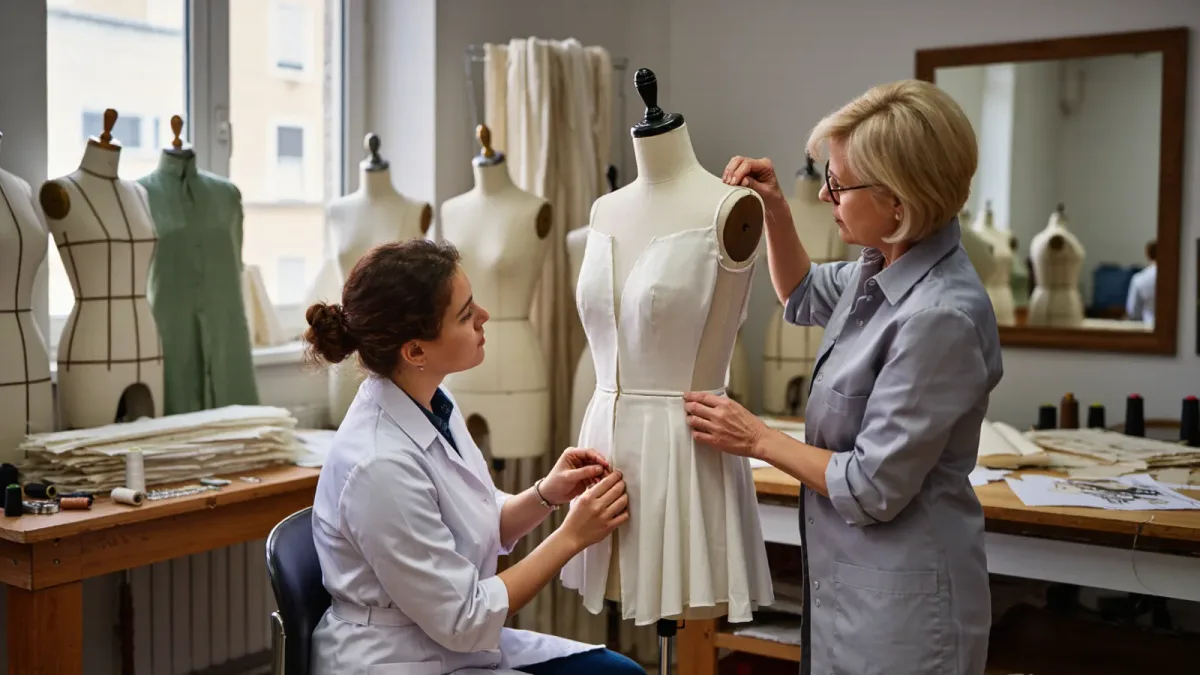
The rarity is structural. Each garment is cut for one body, involves hundreds of atelier hours and cannot be scaled without ceasing to be couture. Houses decline most requests, prioritizing clients whose patronage sustains the ateliers between collections.
Why do conglomerates keep unprofitable ateliers open?
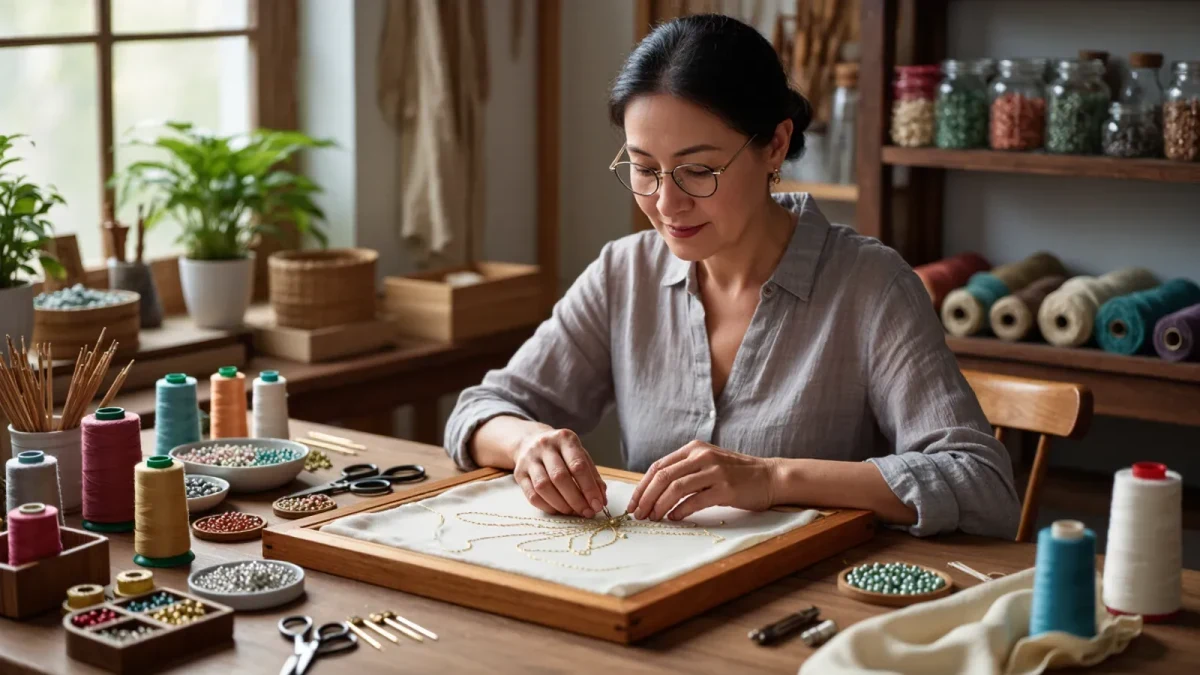
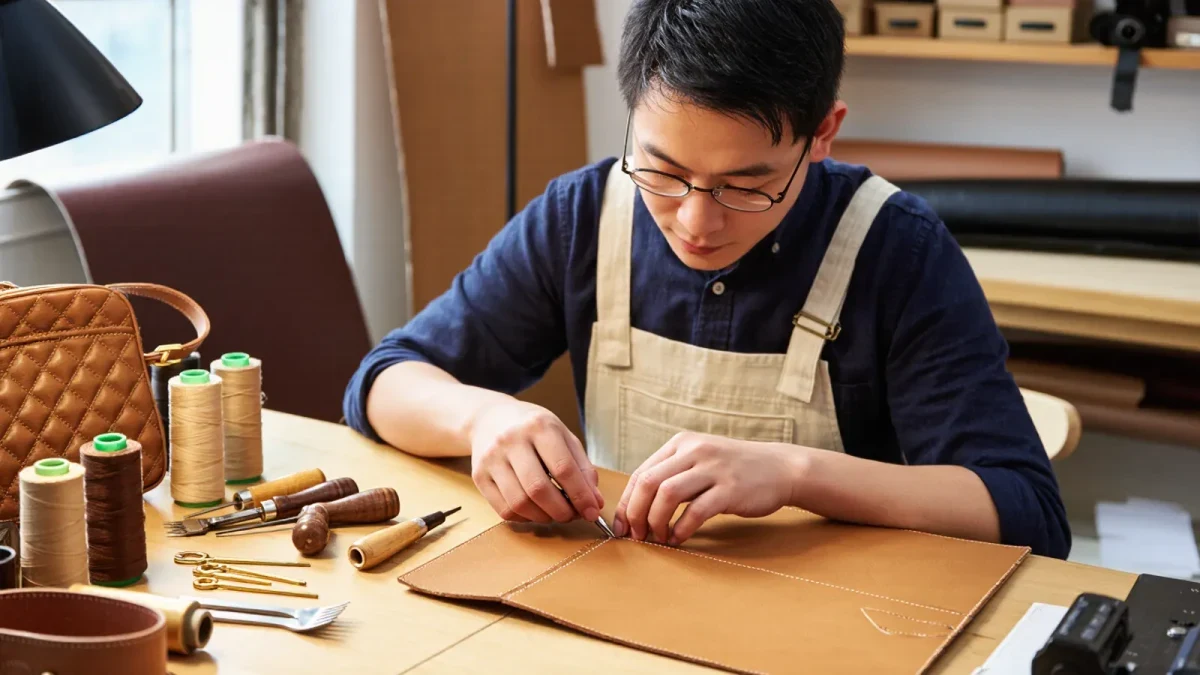
Because couture is research, marketing and succession planning in one budget line. Techniques developed for a couture gown — embroidery, pleating, feather work — migrate into labeled ready-to-wear and accessories sold at scale, per the houses' own descriptions of their métiers d'art workshops. The couture show itself generates the imagery that sells fragrance, the category that carries the conglomerates' margins.
- Couture techniques transfer into ready-to-wear and accessories sold at scale, per house releases.
- Show imagery licenses into beauty and fragrance campaigns with the maison's highest margins.
- Ateliers preserve artisan skills the houses need for heritage storytelling and restoration commissions.
- Couture clients anchor relationships that extend into private commissions and jewelry.
What does the halo buy in numbers?
Licensing power. A fragrance bottle carrying a couture house's name outsells one from a niche label not because of the juice but because the name was validated on a Paris runway, per market analyses of the beauty licensing business reported by Bloomberg. Conglomerate executives describing couture in earnings commentary and trade interviews consistently frame the division's cost against brand-wide revenue, not against its own sales — the ateliers are carried as an investment in pricing power across every other category.
How has the client base changed?
It has globalized and grown slightly younger. Where couture once depended on European aristocracy and American socialites, houses now describe their core clients as international entrepreneurs and royalty from new wealth centers, per interviews with couture executives in the trade press. Social media shifted the economy further: houses now dress celebrities and stylists for red carpets at no charge because a single worn look reaches more potential clients than a season of private appointments once did.
Could haute couture simply end?
It nearly did, and the recovery is instructive. After client lists collapsed in the late twentieth century, several houses closed their couture divisions, and the calendar shrank before stabilizing and later admitting new members, per the Fédération's historical member lists. The current owners concluded the opposite lesson: that the scarcity itself is the asset. As long as a maison's other categories borrow couture's credibility, a few hundred clients are enough to justify a few hundred artisans — the pyramid only needs its apex intact.