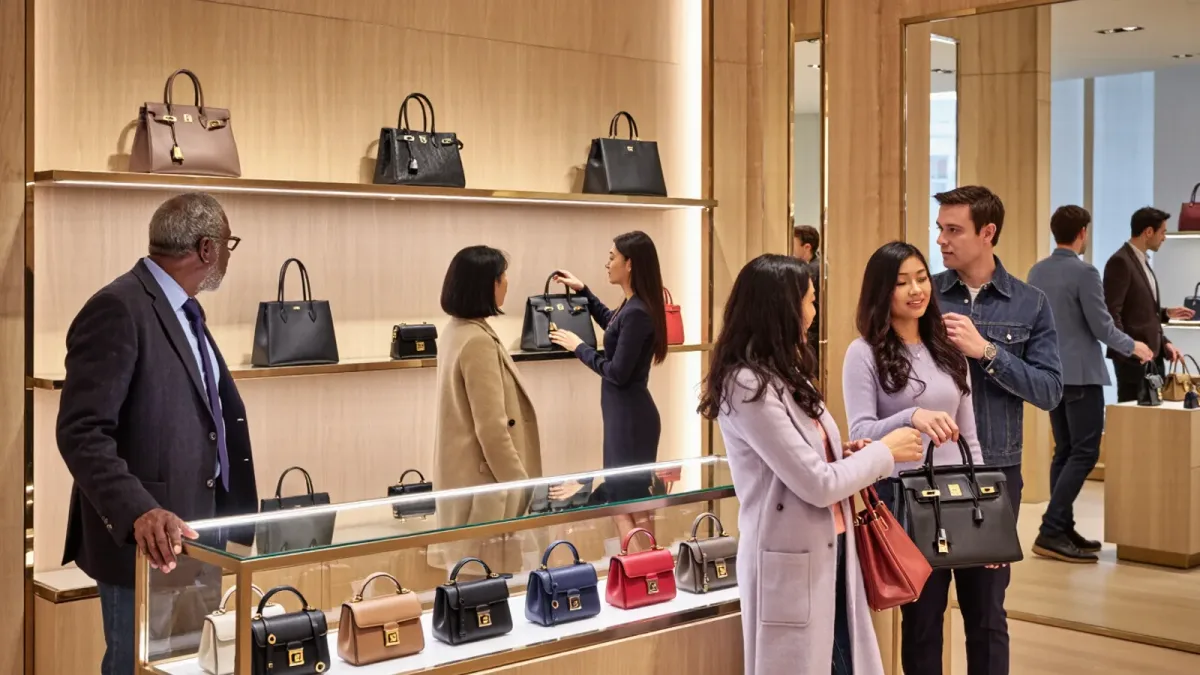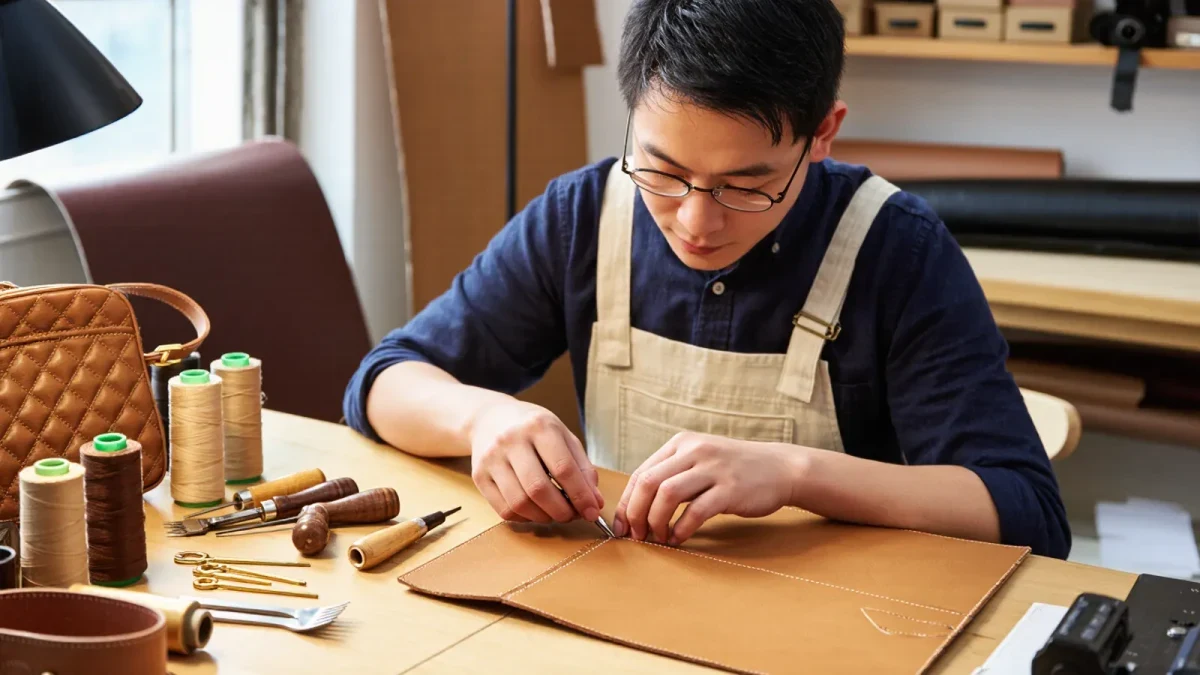
Heritage handbags are priced less like leather goods and more like managed assets. A quilted flap bag or a Birkin carries a materials and labor component in the hundreds of dollars, per cost breakdowns that analysts have published, yet retails for five figures because the price itself is part of the product. Houses raise list prices repeatedly — Chanel's medium classic flap moved from roughly $5,800 in late 2019 to above $10,000 by 2024, per Reuters and Bloomberg reporting on the increases — to reposition the category against rivals and to control who buys it.
What actually goes into the price of a heritage bag?
Three layers: make, scarcity and position. The make includes full-grain leathers, hardware plating and between roughly 15 and 25 hours of artisan work for a classic quilted model, per figures the houses publish in their craftsmanship materials. Scarcity comes from controlled allocation — certain models are waitlisted or offered only to established clients. Position is the repeated upward repricing that keeps the bag in the same bracket as entry jewelry rather than with ordinary accessories.
Why do houses keep raising list prices?
Because it defends margin and brand tier at once. Inflation in raw materials and European labor costs is one input the houses cite, but the larger logic is positioning: Chanel executives have said publicly that the brand intends to keep its handbags in the same relative price territory as Hermès, per comments reported by Reuters. Repricing also absorbs currency swings — prices are harmonized upward across regions so the same bag does not become a discount arbitrage target in any single market.
- Materials and artisan hours set the floor, not the final figure.
- Allocation limits output regardless of demand.
- List-price increases are used deliberately to move the bag upmarket.
- Regional price harmonization closes arbitrage gaps for resellers.
How big is the counterfeit problem?
Large and measurable. The Organisation for Economic Co-operation and Development has estimated that trade in counterfeit goods reached hundreds of billions of dollars annually, with leather goods and accessories among the most seized categories, per its joint reports with the EUIPO. Social commerce platforms have made the problem harder: counterfeiters moved from street markets to listings that mimic legitimate resale, which is why authentication shifted from a back-office task to a consumer-facing selling point.
What are brands doing about the secondary market?
A mix of coexistence and capture. Some houses launched their own certified pre-owned or refurbishment services; others sue resale platforms over listings they argue facilitate counterfeits, as in the long-running Hermès litigation against platforms over fake Birkins. Meanwhile resale platforms built businesses on third-party authenticators, and courts have generally held that platforms are not automatically liable for fakes sold by third parties, per Bloomberg and Reuters coverage of the rulings. The result is an uneasy settlement: brands cannot stop resale, so they price, authenticate and litigate around it.
Do heritage bags hold their value?
A small group does, and the houses do not promise it. Secondary-market data published by resale platforms has showed certain Hermès, Chanel and Louis Vuitton models reselling near or above retail after successive price increases, while the broader market of styles resells at steep discounts. Houses themselves avoid investment framing — Hermès has publicly discouraged treating bags as financial assets — but the resale data feeds the primary market's pricing power either way.
Can the pricing model break?
It bends with demand cycles. When luxury spending slowed in 2023 and 2024, analysts at Bloomberg and Reuters noted that aspirational customers pulled back first, hitting entry-level leather goods while top clients kept buying. Houses responded with further price discipline rather than discounting, protecting the tier structure at the cost of volume. The pricing model has survived slowdowns before precisely because it is willing to sell fewer bags rather than cheaper ones — which is the whole point of the word heritage in the product line.
How does authentication actually work?
Layers of physical and digital checks, and increasingly both. The traditional layer is the hardware and stamping vocabulary — date codes, serial sequences, stitching counts and leather grain that trained authenticators learn per house and per era. The newer layer is embedded technology: near-field communication chips and micro-tags sewn into linings, which several houses introduced so that a phone tap can confirm provenance at resale. Third-party platforms stack expert review on top of both, which is why authenticated resale commands a premium over peer-to-peer listings on general marketplaces.
What role does regional pricing play?
A quiet but significant one. The same model can carry meaningfully different price tags in Paris, Shanghai and New York once taxes are excluded, and arbitrage-focused buyers have long routed purchases through the cheapest market. Houses close the gap with coordinated increases and, in some cases, purchase limits for travelers, per retail policies described in trade reporting. The goal is not to maximize each sale but to keep the bag's reference price stable worldwide, because a widely known global figure is itself part of the product's positioning.
Are the houses winning against fakes?
By attrition, not by victory. Customs seizures continue to run at high volumes, per OECD and EUIPO tracking, and enforcement removes a fraction of what circulates on social commerce. What has changed is the cost of deception: embedded chips, sophisticated authentication services and brand-run certified resale make credible provenance more available, which squeezes the middle of the fake market. The remaining risk sits with buyers who shop on unverified listings at prices that look like the opportunity they are not.
Why do houses offer repair and refurbishment?
Because lifetime service is both a promise and a moat. Several maisons operate repair ateliers that restore decades-old bags — replacing linings, re-stitching handles and re-plating hardware — for owners who bought or inherited them secondhand. The service reinforces the resale proposition the pricing already implies: a bag designed to be repaired for thirty years is easier to justify at five figures. It also keeps ownership inside the brand's orbit long after the original transaction, which is where the economics of heritage actually compound.