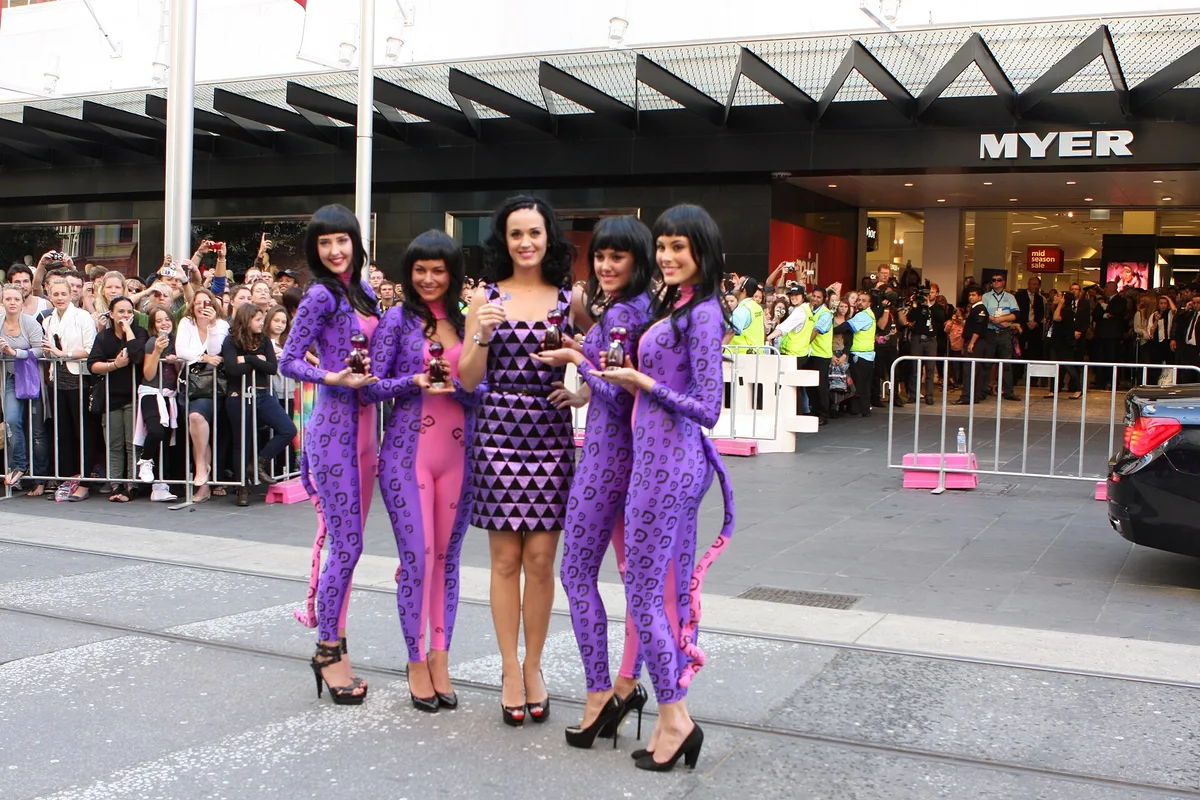
Most celebrity fragrance and beauty lines rest on contracts, not on mixing benches. The star supplies a name, an image and a marketing story. A licensed company develops the products and runs the business. Coty reported that products making up 37 percent of its fiscal 2026 sales were sold under exclusive license agreements, per its Form 10-K.
The structure explains who holds what. Coty's filing describes a roster of brands, some owned and some licensed, and says the company works with licensors to promote brand image on the licensed side. The takeaway for a shopper is simple: a line with a famous name often has a corporate maker behind it. How stars talk to reporters about such deals is its own question, examined in the ethics of the celebrity access interview.
Ownership facts sit in public documents. LVMH places Fenty Beauty by Rihanna inside its Perfumes and Cosmetics division. Its brand page credits Rihanna as founder of a line made "so that women everywhere would be included," and cites 40 foundation shades at launch and 1,660 points of sale in 17 countries. Records like these are the first stop for the site's celebrity section when a new line appears.
Who Actually Develops the Formula
In a licensed structure, the corporate partner does the product work. Its perfumers and labs create the scent, pick the bottle and arrange manufacture. The formulas stay trade secrets on the corporate side. The star licenses a name and a likeness, and often hands over a creative brief. The company turns that brief into goods on a shelf and carries the quality and labeling duties that come with cosmetics. For related coverage, see How Celebrity Ambassador Deals With Luxury Brands Actually Work.
Filings back the split. Coty's Form 10-K lists David Beckham and Kylie Cosmetics by Kylie Jenner in its Prestige roster and marks with an asterisk only the brands it calls owned. The licensed marks stay the property of the licensors. That is why the same filing reports license terms and renewal dates as business risks rather than assets.
What the Filings Show on Celebrity Deals
The Coty filing is plain about the model. It reports that products making up 37 percent of fiscal 2026 sales ran under exclusive licenses with six to 24 years left to run. It also records a purchase agreement dated November 18, 2019 among King Kylie Holdings, Kylie Jenner Inc., King Kylie and Coty. The same document cites "the joint venture with Kylie Jenner in fiscal 2020" when it reviews past deals. We covered a connected angle in Disney Licenses Percy Jackson, Ice Age and More to Netflix: What the Deal Actually Says.
The words matter. A license rents a name for a term. A joint venture makes the company and the star co-owners of the operating business. Both leave development, manufacture and distribution with the corporate side. Both also end or change shape on a contractual date, not at the whim of the face on the bottle.
Where Fenty Beauty Sits in the Ownership Map
LVMH's own pages answer the question for Fenty Beauty. The group's brand page presents the line as part of its Perfumes and Cosmetics division, credits Rihanna as founder and states the reach: 40 foundation shades at launch and 1,660 points of sale in 17 countries. A line framed this way is a house with a famous founder, not a weekend side project.
The lesson travels across the beauty aisle. When a new star line appears, the launch notice names the licensee, the licensor and the term. The corporate partner's filings then confirm the deal in audited detail.
Conclusion: Ownership Is a Contract Question
The formula, the trademark on the name and the profits answer to contracts, not to glamour. Licenses put development and manufacture in corporate hands. Ventures share the operating company. The star's part is the name that moves the goods. Filings such as Coty's Form 10-K and pages such as LVMH's record those facts in public, and they will outlast the launch party.