Event planning is the work of turning one idea into a single night: a budget, a room, and enough people in it to cover the costs. First-time organizers usually get the order wrong. They book a venue before they know what the night costs, or they promote before they know who the night is for. The reliable sequence is simpler: define the event, price it, secure the space, then sell it.
The word itself is broader than most beginners assume. Cambridge Dictionary defines an event as anything that happens, often something important — and in everyday use it covers everything from a party to a convention to a festival, all gatherings Wikipedia groups under event management, the organization of events. Whatever the format, the planning mechanics below apply.
What does the event need to do?
Answer this before any spreadsheet. An event exists for one primary reason: to raise money, to launch something, to build a community, or to entertain. Pick one. An organizer who tries to serve all four usually serves none well, because each goal changes the budget's shape.
A fundraiser lives or dies on net revenue, so costs get cut hard. A community night can tolerate thinner margins because its value is attendance itself. Write the goal down in one sentence and keep it visible through every later decision. When a choice conflicts with that sentence, the choice loses.
How do you build a budget that holds?
Start with the fixed costs: venue rental, insurance, permits, equipment rental, and any paid staff. These are due whether ten people show up or three hundred. Then list the variable costs — catering, printed materials, staffing hours — which scale with headcount. The gap between the two is where first-time budgets fail, because fixed costs quietly eat a small event alive.
Next, work out the break-even point. Divide total fixed costs by the ticket price to see how many sales cover the basics; add variable costs per guest to that math. If the number feels unreachable for your audience, the fix is a cheaper venue or a higher price — not optimism. Build in a contingency margin for the costs nobody lists: overtime, last-minute rentals, replacement supplies.
Our analysis across how professional organizers structure this: they treat the budget as the event's contract, not its estimate. Every creative decision gets checked against it. That discipline is what separates a sold-out night from a quiet loss.
What should first-timers look for in a venue?
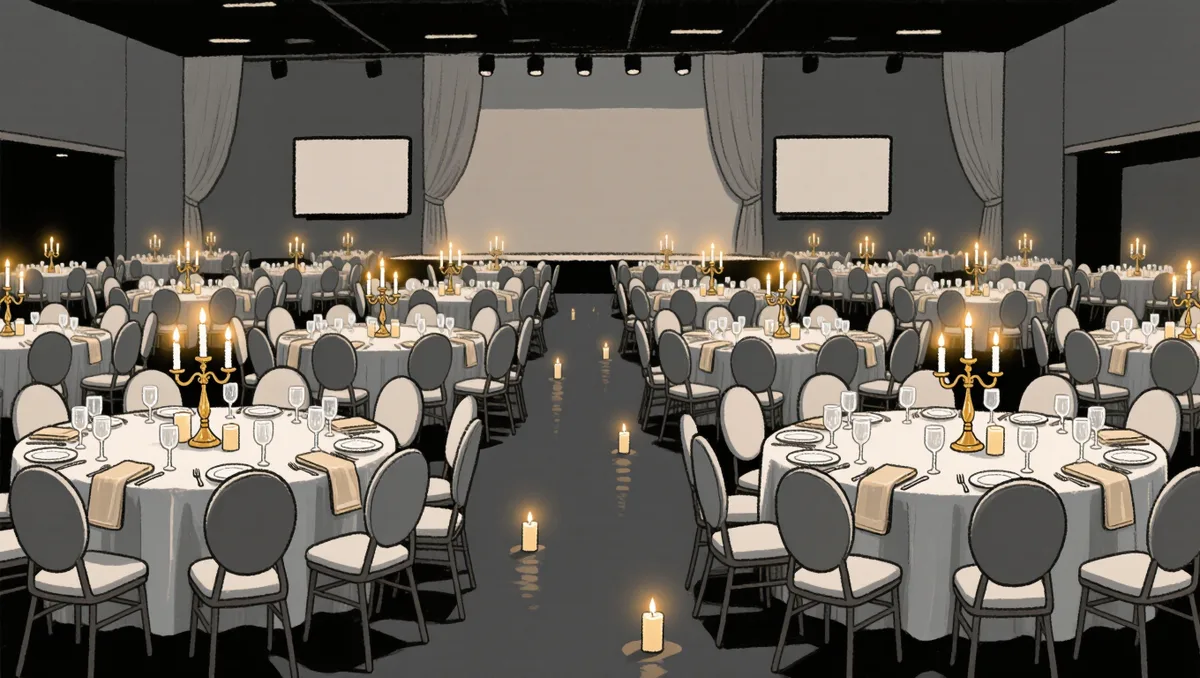
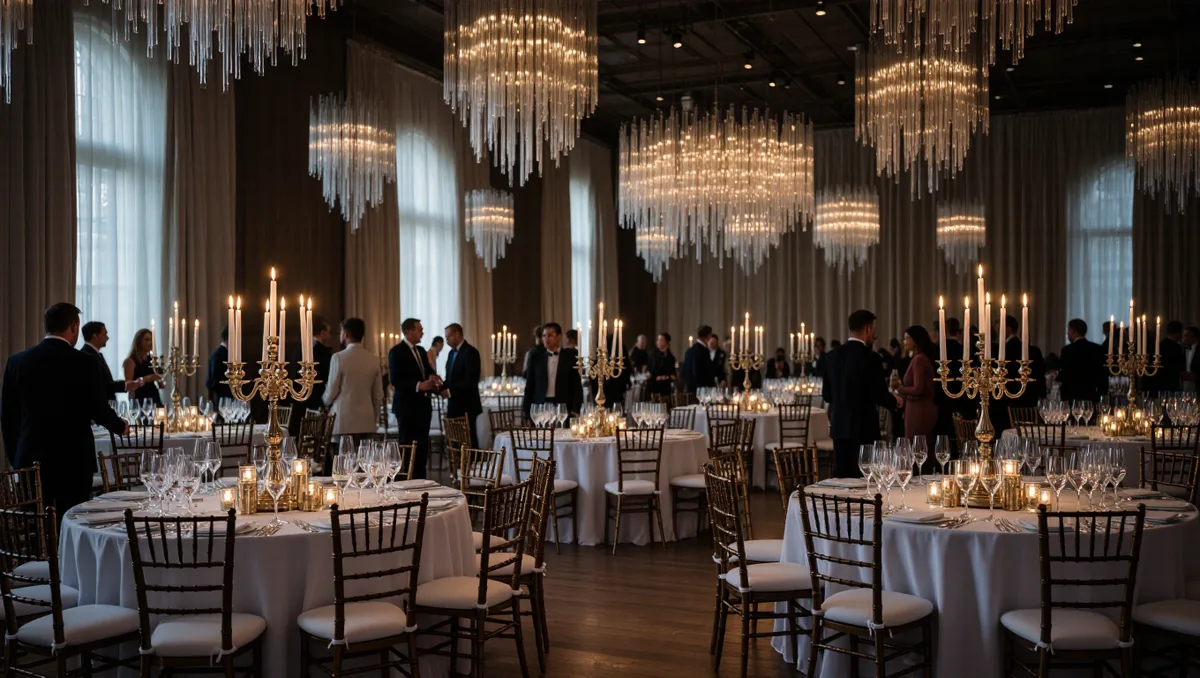
Capacity comes first, and honestly. A venue's stated capacity is a legal maximum, not a comfort target. Ask what the room feels like at eighty percent full, because that is the number that matters for atmosphere. Then check the unglamorous items: load-in access, power supply, restrooms, parking or transit, and whether the venue requires its own approved vendors for catering and security.
Read the contract before signing anything. Look for deposit terms, cancellation windows, and overtime rates. Many venues charge by the hour beyond a set end time, and events overrun — that clause is often the most expensive line nobody read. Visit the space at the same time of day your event will run, because a charming afternoon room can be a difficult evening one.
Smaller is often smarter for a first event. A half-full large hall reads as failure; a packed modest room reads as success, and it photographs that way too, which feeds directly into promotion for the next edition.
How do you promote an event people will pay for?
Promotion works on a simple loop: a clear offer, a place to buy, and repeated reminders. The offer is one sentence — what happens, who it is for, why now. The buying path should take no more than a few clicks, and every listing or post should lead to the same page. Then the reminders: a launch announcement, a mid-cycle push, and a final-week push, because most ticket sales for small events cluster near the date.
Local listings matter more than beginners expect. Regional calendars do steady work connecting organizers with nearby audiences — New Jersey Isn't Boring, for example, curates events across the Garden State each week and reminds organizers that attendees watch for listings requiring advance ticket purchase, with its listings updated and organized by date. Getting onto such calendars is free and takes minutes; failing to do so leaves discoverable demand on the table.
The same principle scales down to a neighborhood level. If your event is small and local, the tactics in Finding Free Weekend Events Near You: A Local's Guide show how audiences actually find things to do — through curated roundups, not paid reach.
What happens on the night itself?
The event runs on a run-of-show: a timed document listing every moment from doors to close, who owns it, and what happens if it slips. Build in buffer between segments, because everything runs late. Assign one person as the single decision-maker; committees cannot make calls at 8 p.m. with a line at the door.
Staffing is where volunteers earn their keep. Large gatherings run on unpaid labor coordinated well — the mechanics are covered in How Festival Volunteers Power Large Events, and the core lesson applies at any size: brief people before the doors open, give each one a zone and a name tag, and feed them.
Have a written fallback for the two likeliest failures: a no-show vendor and bad weather for anything outdoors. A printed contact sheet, a charged phone, and a spare microphone cable solve more crises than any budget line.
What should you do after the event ends?
Close the loop within a week. Reconcile the budget against actuals and note the variances — that document is the real product of your first event, because it prices the second one accurately. Thank guests, sponsors, and staff while the goodwill is fresh. And capture the evidence of success: photos, attendance counts, and any press pickup, all of which become the promotion for the next edition.
For organizers aiming at benefit formats specifically, the money mechanics differ — auctions, paddle raises, and sponsor tiers each carry their own accounting, covered in How Do Charity Auctions Actually Raise Money At A Gala. The reporting habit is the same either way: state what was raised, attribute it to your own announcement, and be precise.
The evidence supports one conclusion: successful first events are rarely the most creative ones. They are the most disciplined — a single clear goal, a budget treated as binding, a venue sized honestly, and promotion that starts early and repeats. Get those four right and the sold-out night tends to follow.