So what counts as an event? In short: any planned happening that brings people together at a set time and place — a street fair, a gallery opening, a pop-up dinner, a charity gala. The word is broad on purpose. If it has a start time, a location, and a reason for people to show up, it is an event.
That definition covers a lot of ground, so this guide sorts local happenings into three broad groups: community gatherings, ticketed shows, and pop-up experiences. Each group works differently. They differ in who runs them, how they make money, and what you actually do once you arrive.
Even the word "count" helps here. According to Cambridge Dictionary, "count" as a verb can mean to consider or deem something as being a certain way. That is exactly the question with local happenings: what do we deem an event, and what do we not? A regular market stall is shopping. A night market with music, food vendors and a posted end time is an event. The plan and the occasion make the difference.
What makes a community gathering different from a ticketed show?
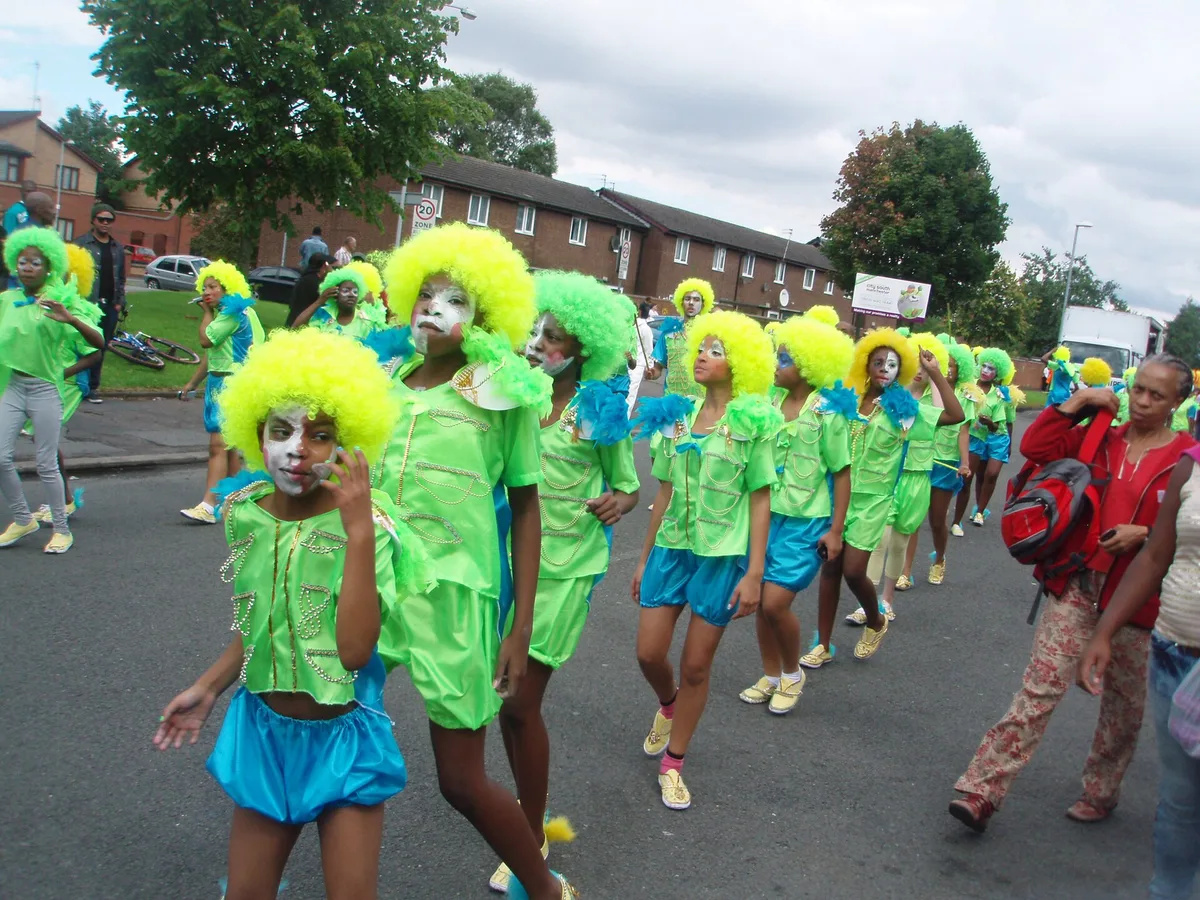
A community gathering is usually free or low-cost, open to everyone, and organized by a public body, a neighborhood group, or volunteers. Think of a park concert, a holiday parade, a library reading, or a farmers' market with a special theme. The goal is access. Organizers want as many people as possible, so they keep barriers low.
A ticketed show is the opposite in one key way: entry is controlled by a price. Concerts, theater productions, comedy nights, and film screenings fall here. Money from tickets pays for the venue, the performers, and the staff. Because you paid, expectations rise — you expect a set start time, a seat or a clear viewing spot, and a program of some kind.
Both can be excellent nights out. The practical difference is commitment. A community gathering lets you drift in and out. A ticketed show asks you to commit to a time, and often rewards that commitment with a more produced experience.
Where do pop-up experiences fit in?
Pop-ups are the newest of the three, and the loosest. A pop-up is a temporary experience in a space not built for it: a restaurant that appears for one weekend, an immersive art installation in an empty warehouse, a brand showroom open for a fortnight. The temporary nature is the point. Scarcity creates the draw.
Pop-ups sit between the other two groups. Some are free, sponsored by a brand that wants attention. Some charge admission like a show. What they share is a short run and a strong reason to go now rather than later. If a listing gives exact opening and closing dates, that is your signal it is a pop-up and not a permanent venue.
How can you tell what an event actually offers before you go?
Check four things in any listing. First, the organizer: a city department, a nonprofit, a venue, or a private promoter. That tells you a lot about tone and cost. Second, the price and what it covers — some ticketed shows add fees at checkout, and some "free" events charge for food and parking. Third, the schedule, including whether entry is timed or open. Fourth, the audience: a family film night and a members-only preview are both events, but they suit very different plans.
Our analysis across the three groups: the organizer is the most reliable signal. Public institutions and volunteer groups run access-first gatherings. Venues and promoters run shows. Brands and creative collectives run pop-ups. Match the organizer to the night you want, and most surprises disappear.
What about galas, festivals and fairs — which group are they?
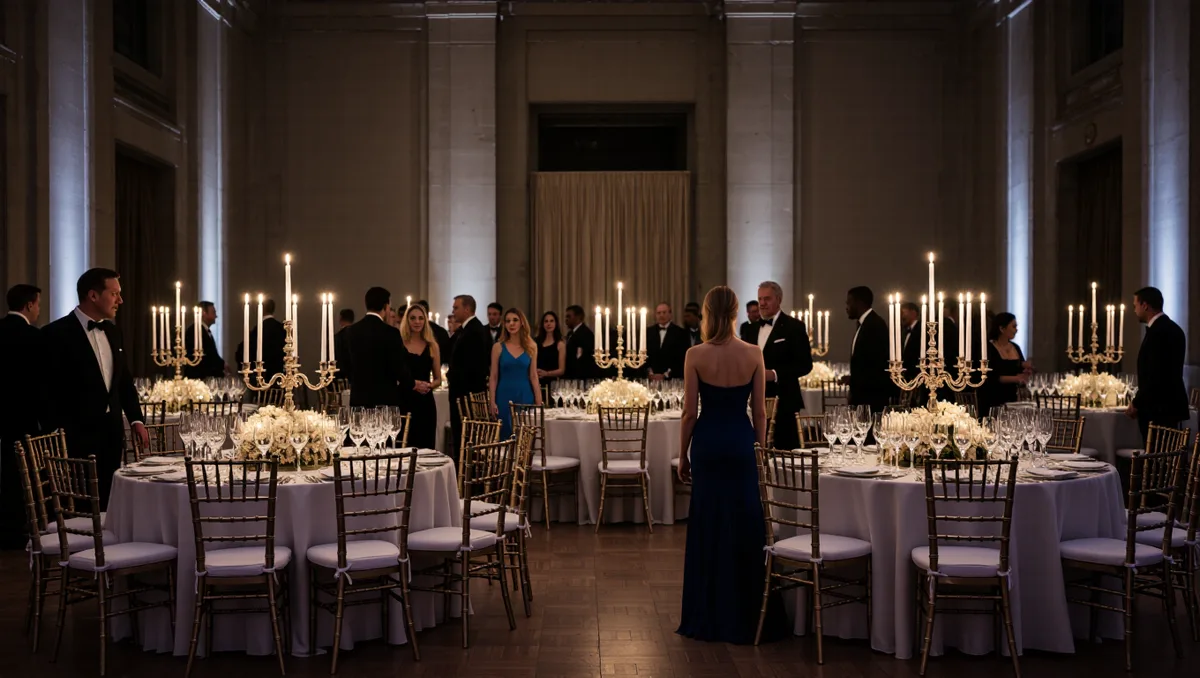
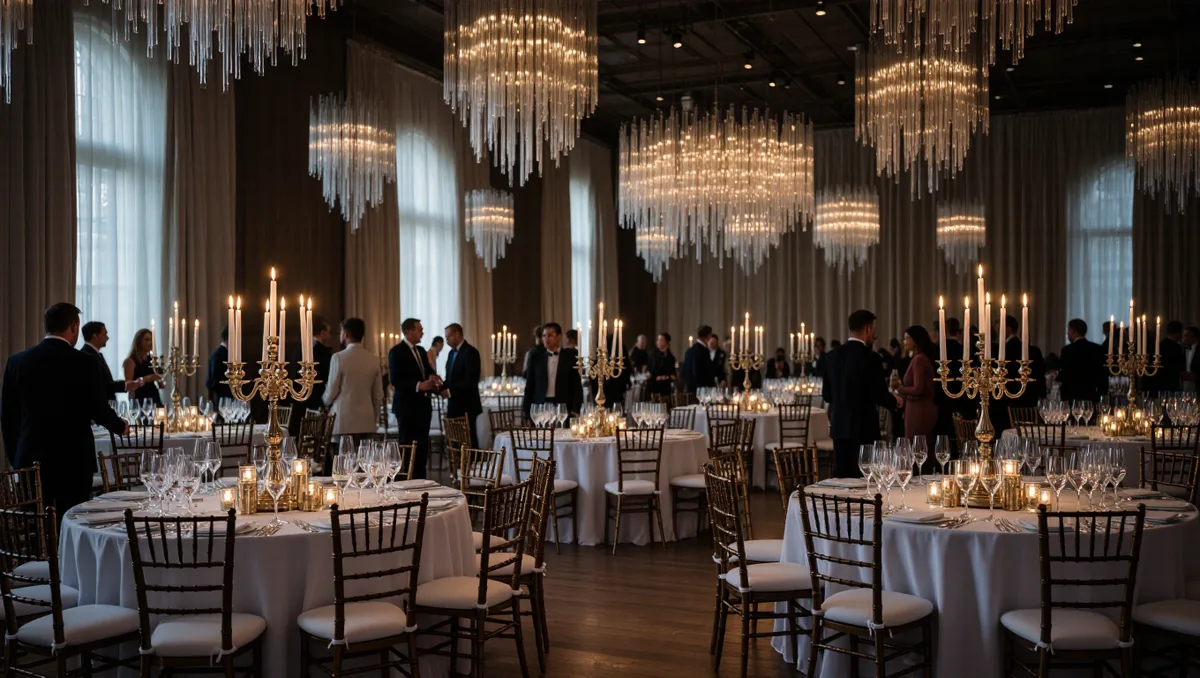
Large happenings blend the groups. A festival is many events under one name: free street stages, ticketed headline shows, and pop-up food villages all at once. A gala is a ticketed show with a fundraising purpose, where the money raised matters as much as the evening itself. An art fair or a film festival adds layers of access, from public days to industry-only previews.
That blending is why these big happenings deserve their own reading. If you want the detail, our guide to How Art Fair VIP Previews Actually Work, From Collector Lists to First-Access Hours explains the tiered-access side, and How Do Charity Auctions Actually Raise Money At A Gala follows the money at benefit evenings.
Practical steps: choosing the right event for your week
Here is a simple way to decide. Start with your budget mood: free and flexible points to community gatherings; a fixed plan and a produced night point to ticketed shows; a one-weekend-only listing points to a pop-up. Then check the logistics — travel time, whether kids are welcome, and whether you need to book ahead.
A few habits help. Book ticketed shows early, because popular dates sell out and last-minute prices can climb. For free gatherings, arrive early if you care about a good spot, since there is no reservation. For pop-ups, verify the closing date before you commit; the whole appeal is that they end.
If you are on the other side of the question and planning one of these yourself, the same sorting applies. Our explainer Event Planning Basics: From Idea to Sold-Out Night walks through the decisions by format, and Finding Free Weekend Events Near You: A Local's Guide covers the community-gathering side of the calendar.
What this means for how you read an events calendar
Once you sort happenings into community gatherings, ticketed shows, and pop-ups, a crowded calendar becomes readable. Each group answers a different need: access, production, or novelty. The evidence for this sorting is everyday practice rather than any single study — it is how venues, cities, and promoters structure their own listings.
What remains open is where the lines blur. Hybrid formats keep appearing: ticketed community concerts, free brand pop-ups, festivals inside festivals. The three-group sorting still holds, because every hybrid is a mix of the same ingredients. Name the organizer, check the price, note the dates — and any local happening tells you what it is.