A luxury ambassador contract is a services agreement, typically one to three years, under which a house buys exclusivity in a category: campaigns, a set number of appearances, red carpet placement, and approval rights over how the star's image is used. The celebrity, in exchange, surrenders the freedom to wear a competing maison on any photographed occasion. Negotiations turn on scope, territory and hours, and the figures discussed run well into seven figures for global names.
What is the difference between an ambassador and a paid appearance?
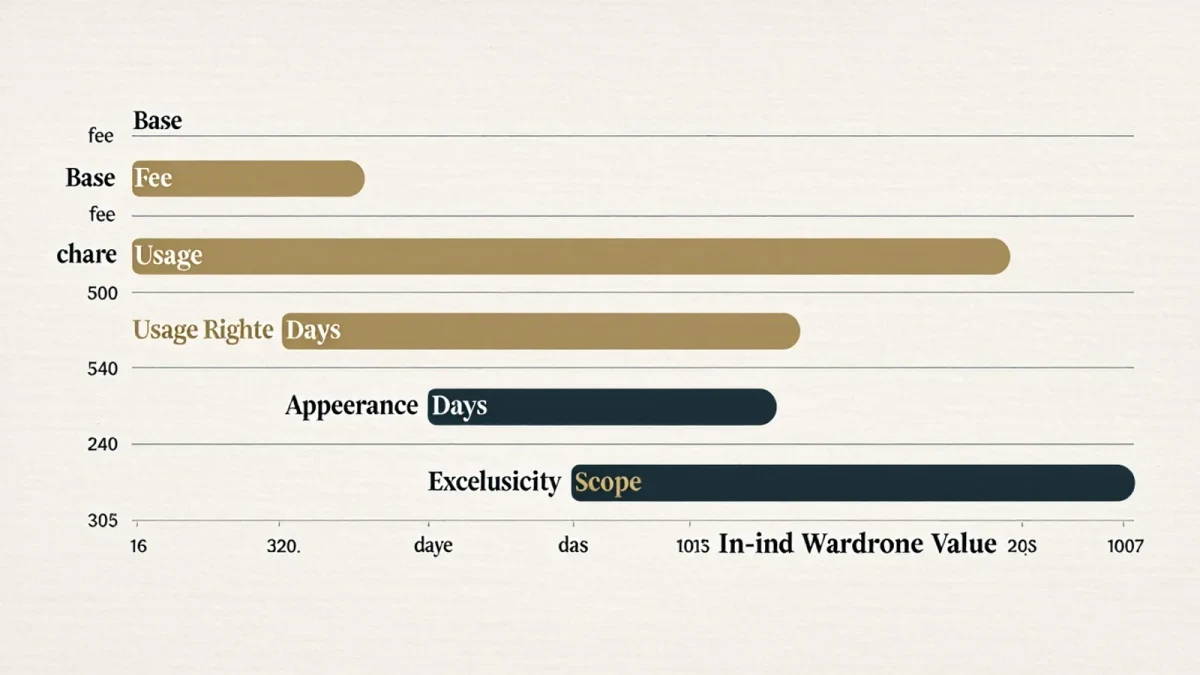
A paid appearance is transactional: one event, one fee, one look. An ambassadorship is a lease on a person's public image for a fixed term. The house secures first refusal on the star's most photographed moments for the length of the contract, and the star's team secures a fee structure that usually combines a base retainer with bonuses tied to campaign usage and media value.
The distinction matters commercially because houses plan collections and media buys years ahead. A face that can anchor two full campaign seasons, a flagship boutique reopening and one marquee festival is an asset on the marketing plan; a one-night guest is line-item entertainment.
What does the contract actually cover?
The core terms are consistent across the industry, whatever the maison. Lawyers on both sides spend most of their hours on four or five clauses that determine the deal's real value.
- Category exclusivity: no competing jewelry, watch, fashion or beauty brands, defined by category and territory.
- Services schedule: campaign days, shoot days, appearance minimums, and maximum travel hours.
- Image rights: stills, film, out-of-home advertising, and social usage windows.
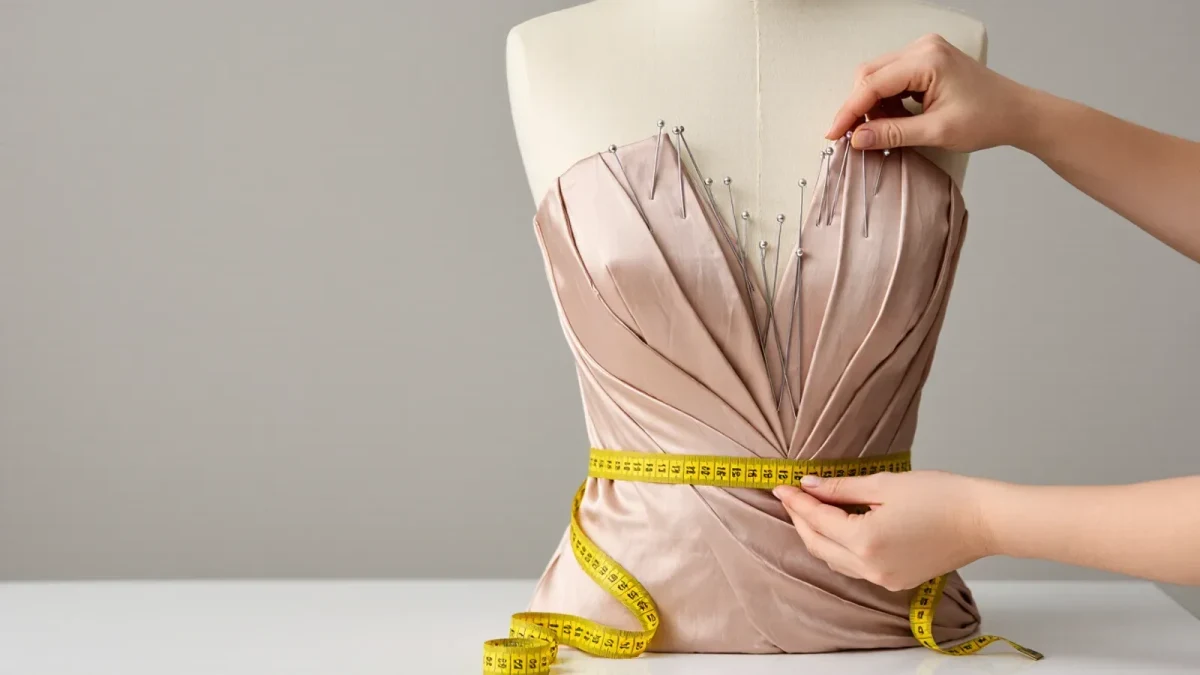
- Approval and fittings: the star's right to approve final images, stylists and looks.
- Termination and morality clauses: exit triggers tied to conduct, breach or brand-reputation risk.
How is the money structured?
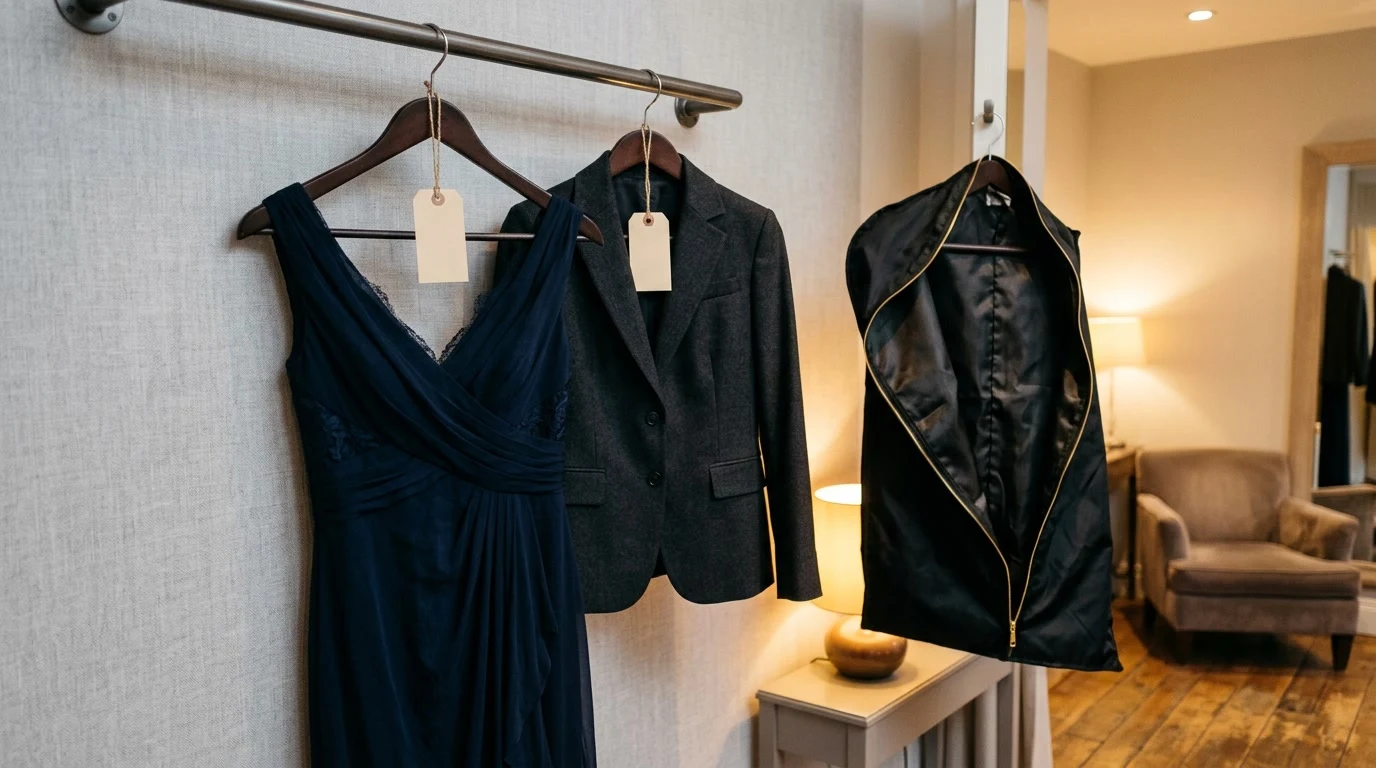
Compensation usually arrives in three layers. A base fee covers the contracted services. Usage fees extend the license beyond original terms, for example when a campaign performs well and the house wants a second media year. And in-kind value, gowns, jewelry, travel and accommodation, is written into the agreement with defined limits, because a couture wardrobe is part of the deal's economics whether or not cash changes hands for it.
Teams also negotiate renewal escalators and photo approval bonuses. A house protecting a heritage campaign wants certainty; a star protecting brand equity wants veto power. The final number reflects which side needs the other more that season.
Why do houses prefer ambassadors over advertising alone?
Luxury runs on scarcity and continuity, and an ambassador supplies both. A single face across consecutive campaigns signals stability to clients who buy the same house for decades. The arrangement also secures red carpet inventory: when the ambassador has a premiere, the maison knows its archival pieces will be photographed, credited by stylists and aggregated by fashion press within hours.
There is a defensive logic as well. Signing a star removes that star from a competitor's shortlist. In categories where three or four houses chase the same ten names, exclusivity is worth as much as the campaign itself.
Who negotiates on the celebrity's side?
The deal is assembled by a small committee: the agent, who frames the commercial terms; the business manager, who models tax and payment timing; the publicist, who weighs press exposure against overexposure; and the stylist, whose fee and wardrobe role are often written into the agreement. Outside counsel reviews the image rights language.
Personalities matter less than process. Deals that collapse usually do so on hours, one side underestimates shoot days and travel, or on approval rights, when a house reserves final cut and the star's team refuses. Money is rarely the sticking point; control is.
What happens when an ambassadorship ends?
Most conclude quietly at term, with a final campaign and a joint statement thanking the partner. Wind-down clauses govern how long campaign imagery may run after expiration, typically six to twelve months. The star's team begins negotiating the next category months before expiration, because a gap in exclusivity is a window competitors will bid on.
Money is rarely the sticking point in ambassador talks; control over the image is.
How has the model changed recently?
Contracts now routinely include social media deliverables with defined post counts and platforms, alongside traditional campaign work. Houses have also diversified rosters, signing musicians, athletes and directors rather than film actors alone, and shortening initial terms to two years so both sides can reprice. The ambassador model has not weakened; it has become more precisely engineered, with usage measured and paid by the clause.
How are ambassadors measured once signed?
Contracts increasingly carry media-value benchmarks. Teams on both sides track earned media from carpet placements, campaign impressions, social engagement and sell-through on products the ambassador fronts. A maison's communications department compiles this into periodic reviews that inform renewal talks, and a strong ambassador can justify an expanded portfolio, from one product line to the whole house, while a weak one sees usage rights trimmed at renewal.
Stars and their teams run their own accounting. Exposure in heritage campaigns is weighed against competing offers, category adjacency, the risk of overexposure in fashion press and the simple cost of hours. A contract that pays well but consumes two dozen days a year competes with film, touring and rest, which is why availability, not appetite, ends many conversations before money is discussed.
What role do stylists play in the deal?
The stylist is frequently the matchmaker and always the executor. Houses court influential stylists years before a client signs, on the reasonable theory that wardrobe access shapes allegiance. Once a deal closes, the stylist's team manages fittings, archive pulls and event dressing inside the contract's category rules, and some ambassador agreements formalize the stylist relationship, naming a wardrobe budget and crediting protocol alongside the talent terms.