Every major gala guest list is a negotiated document. Institutions draft it, but publicists amend it: requesting plus-ones, aligning arrivals with promotional calendars, pairing clients with brands under contract, and confirming credits before the seating chart locks. The publicist's currency is access to famous people; the institution's currency is the room itself. The final list is the equilibrium between the two.
Who owns the guest list?
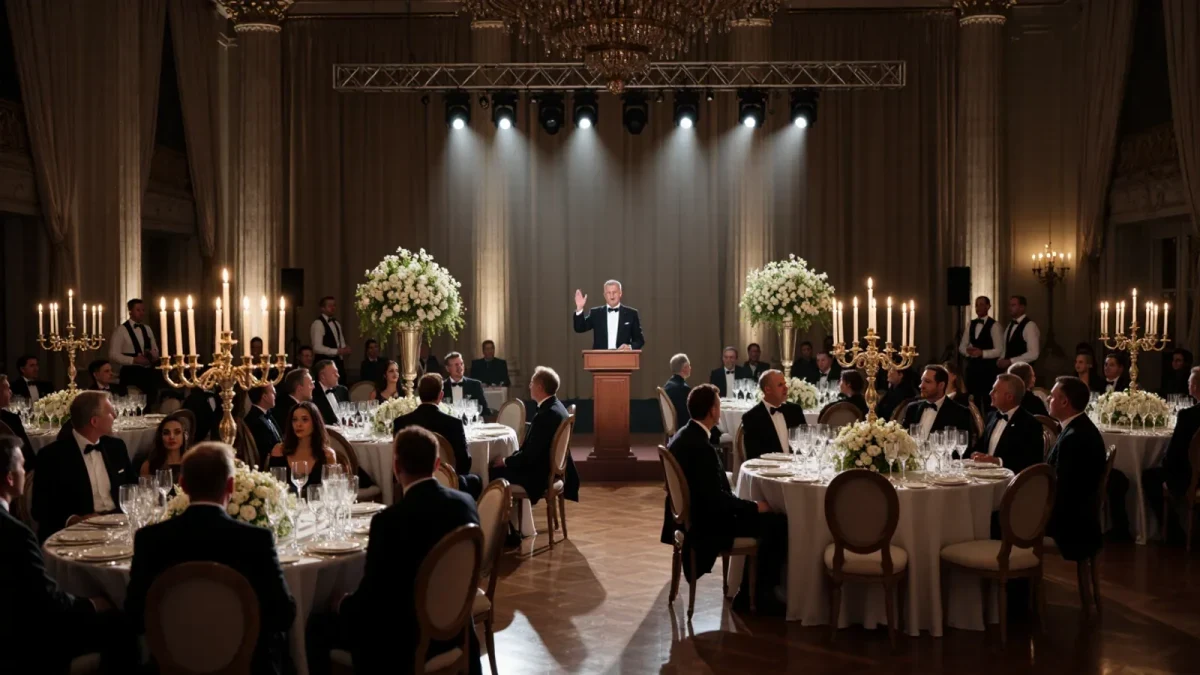
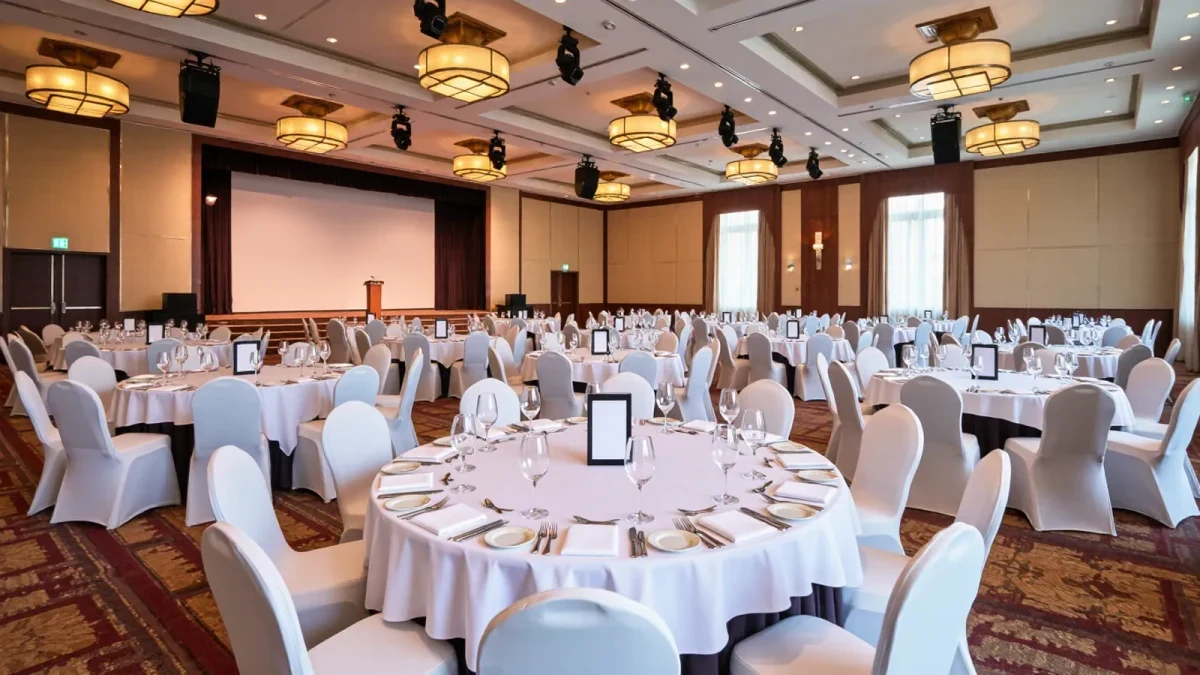
Formally, the host institution and its event or development office. A museum gala, film festival opening or benefit dinner has a guest list built from trustees, donors, sponsors and honorees first. Celebrity names are added to that skeleton to generate press and auction energy, and each addition is weighed against table inventory, which is why the celebrity tier is capped by physics: a ballroom holds what it holds.
Publicists enter the process once the institution signals which slots are available for talent. That signal can come months out for headline events, or weeks out for benefit dinners with a media line attached.
What do publicists actually negotiate?
The requests are consistent across the industry, and they are commercial rather than glamorous. Each one protects a client's market position or an existing brand contract.
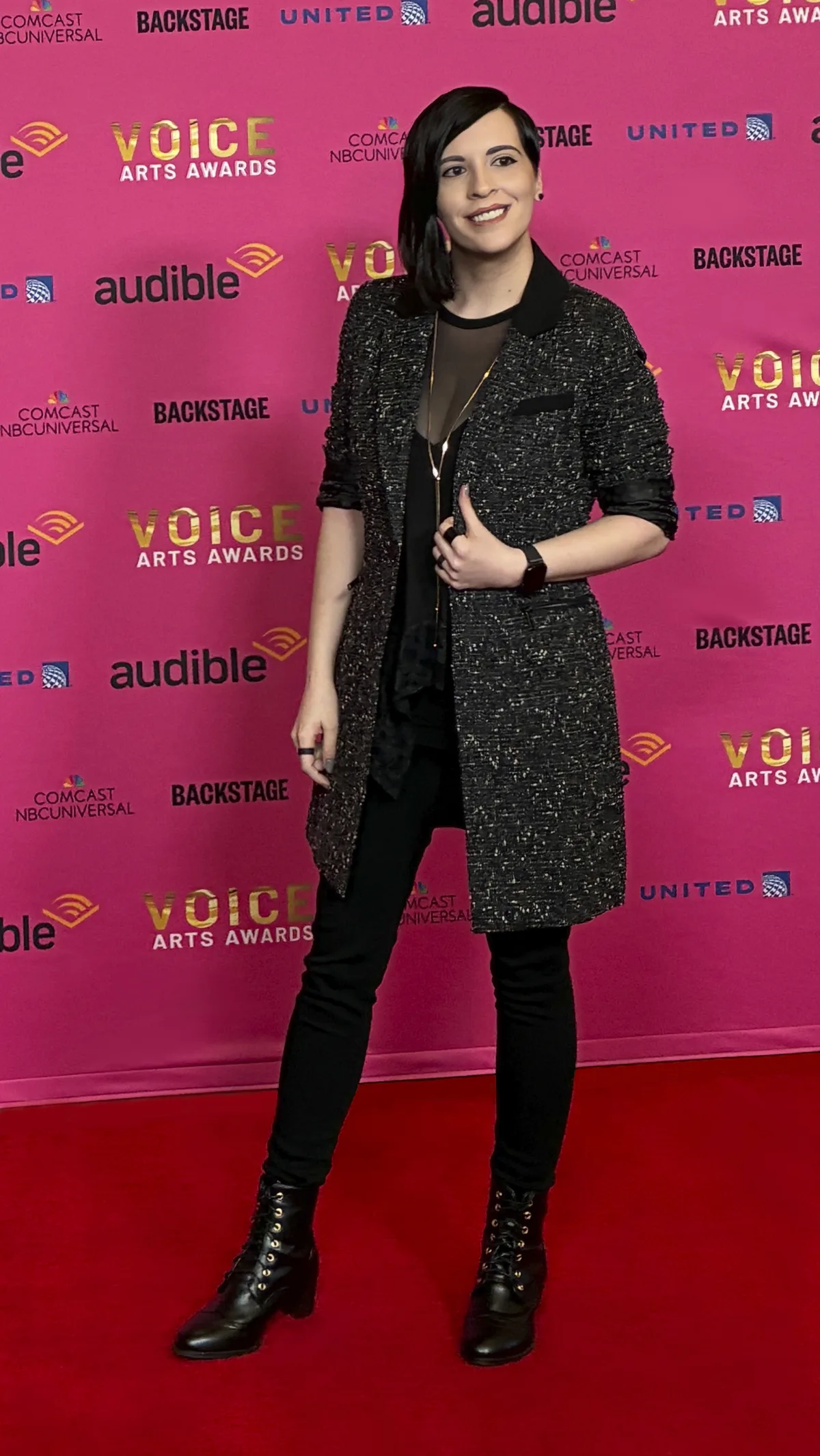
- Arrival windows: positioning on the carpet when photographer density peaks.
- Plus-ones and entourage size: partners, stylists and security clearances.
- Brand clearance: confirming no competing ambassador shares the table or the step-and-repeat.
- Seating requests: proximity to honorees, distance from press risk, adjacency to collaborators.
- Credit language: how the client's name and, where relevant, wardrobe credits appear in the release.
How do studios and labels influence the list?
Studios treat galas as promotional inventory. When a client has a film in release or launching, studio publicity teams request gala placements that keep the star photographed during the campaign window, and they coordinate so the carpet moment lands near premiere dates. Labels do the same for musicians around album cycles and touring. The institution benefits: a star mid-promotion arrives camera-ready and gives the event's coverage a tailwind.
Studios also broker package appearances, where several cast members attend one event as a group, which raises the institution's photographer count and the studio's share of the resulting coverage. Group asks are negotiated early because they consume multiple slots at once.
What makes a publicist say no?
Saying no is most of the job. A publicist declines invitations that conflict with a brand deal's exclusivity, that pair the client with an unpredictable room, that fall outside a campaign window, or that ask for unpaid hosting labor the client has outgrown. Risk review also considers the cause: alignment is assessed before acceptance, because a gala attaches the client's name to the beneficiary in every caption.
The guest list is the equilibrium between access to famous people and the room itself.
How does the process end?
Lists lock in stages. Weeks out, the institution confirms acceptances and publicists confirm arrivals. Days out, seating charts are finalized with the institution's own hierarchy, donors and honorees first, talent distributed for energy and press. Hours out, arrival times are staggered by the event's publicist so the carpet flows and every major name gets a clean photograph. The published list that lands in trade press the next morning is the negotiated document, lightly edited.
Why does any of this matter?
Because guest lists are the product. A gala's fundraising, sponsorship renewal and press value all trace back to who was in the room and in what order they arrived. Publicists understand this, which is why they treat an invitation as a deal to be structured rather than a courtesy to be accepted, and why institutions employ event publicists who speak the same language. The red carpet is the visible output of an invisible negotiation over columns of names.
How do plus-one and entourage rules work?
Every invitation carries a shadow negotiation about who else comes. Publicists request partners, family members and, for working appearances, stylists and glam teams who need access before the carpet opens. Institutions cap entourages by table math and security, and the final number is written into the arrival manifest that security works from, which is why a plus-one denied in negotiation is a plus-one turned away at the door.
What happens when two stars cannot be seated together?
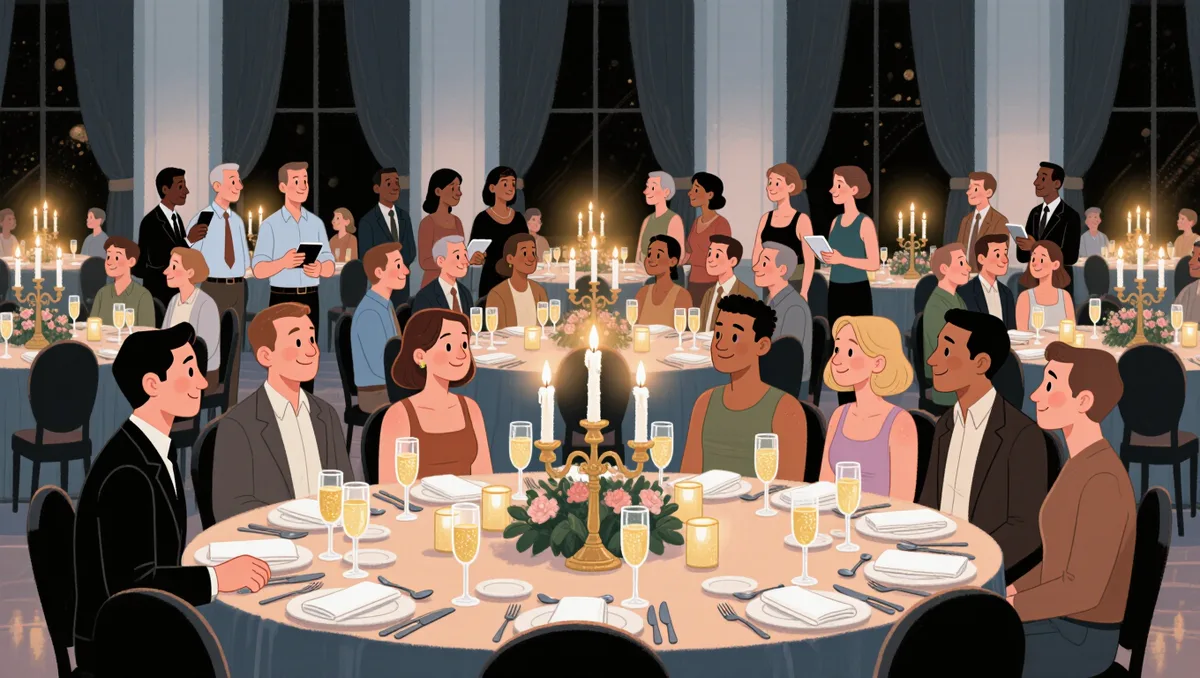
Seating diplomacy is real and routine. Publicists flag conflicts, personal, professional or legal, in confidence, and event producers solve them by distance and by anchoring each party to a friendly table. The inverse also happens: pairs who should be photographed together are seated deliberately close, feeding coverage the next morning. The seating chart is the last artifact to lock because it absorbs every one of these requests, and it is treated by everyone involved as a confidential document for exactly that reason.
None of this reaches the public record unless someone talks. What reaches it is the photograph: two names, one frame, and a negotiation nobody will confirm.
How do institutions push back?
Institutions hold structural leverage and use it politely. Honoree invitations are effectively non-negotiable, turning down a tribute carries a relationship cost. Development offices also trade, offering table placement, award recognition or a speaking slot in exchange for accepting a less favorable carpet slot. The strongest event publicists are respected precisely because they spend that leverage carefully, protecting the institution's donor hierarchy while granting talent enough to keep famous faces saying yes year after year.
How much of this ever becomes public?
Almost none of the negotiation, by design. What becomes public are the artifacts: the arrival order, the published list, the seating glimpsed in photographs. Occasionally a dispute leaks, a withdrawn acceptance, a contested table, and trade press covers it as drama, but the working reality is quieter. Lists are renegotiated constantly because relationships, campaigns and risk assessments shift every season, and the professionals involved handle hundreds of invitations a year, which makes the machinery routine even when its output looks like glamour.