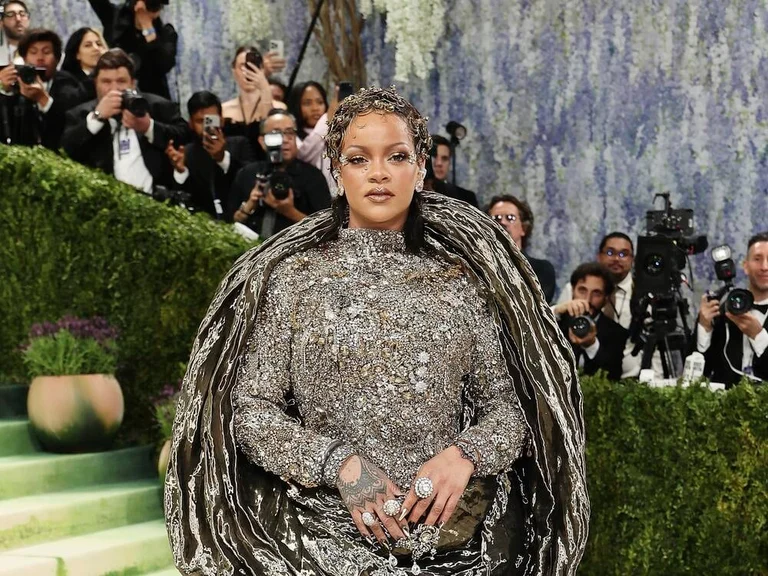
A gala carpet look takes weeks to assemble and roughly six hours to put on. The process starts with a stylist pulling gowns and loaned jewelry months before the date, continues through two or three fittings that adjust every seam to camera angles, and ends with a call sheet that works backward from sunset and step-and-repeat placement. The star arrives last; the preparation has been running all day.
Who is on the preparation team?
The core unit is five people: the stylist, who owns the look and negotiates the loans; the hair and makeup artists, who design beauty looks around the wardrobe; the manicurist; and the publicist or manager, who manages call times, press line order and credits. A tailor or fitter joins for final adjustments, and for jeweled looks a brand escort may be present from the moment pieces leave the case.
Each role has a deliverable and a deadline. The stylist's look plan is finalized days ahead; the beauty team tests options at a prior session; the publicist locks the carpet time with event publicists so the star hits the line when photographers are densest and light is best.
How do fittings actually work?
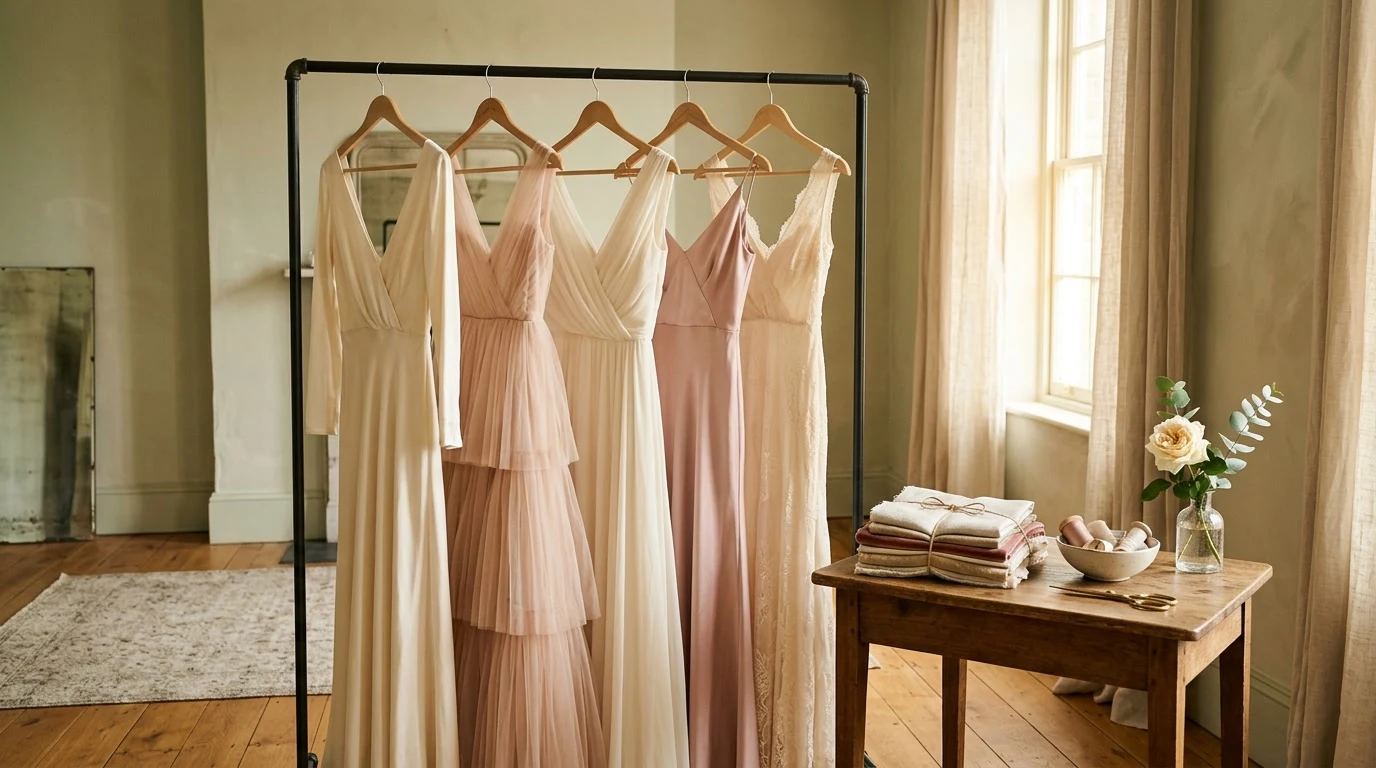
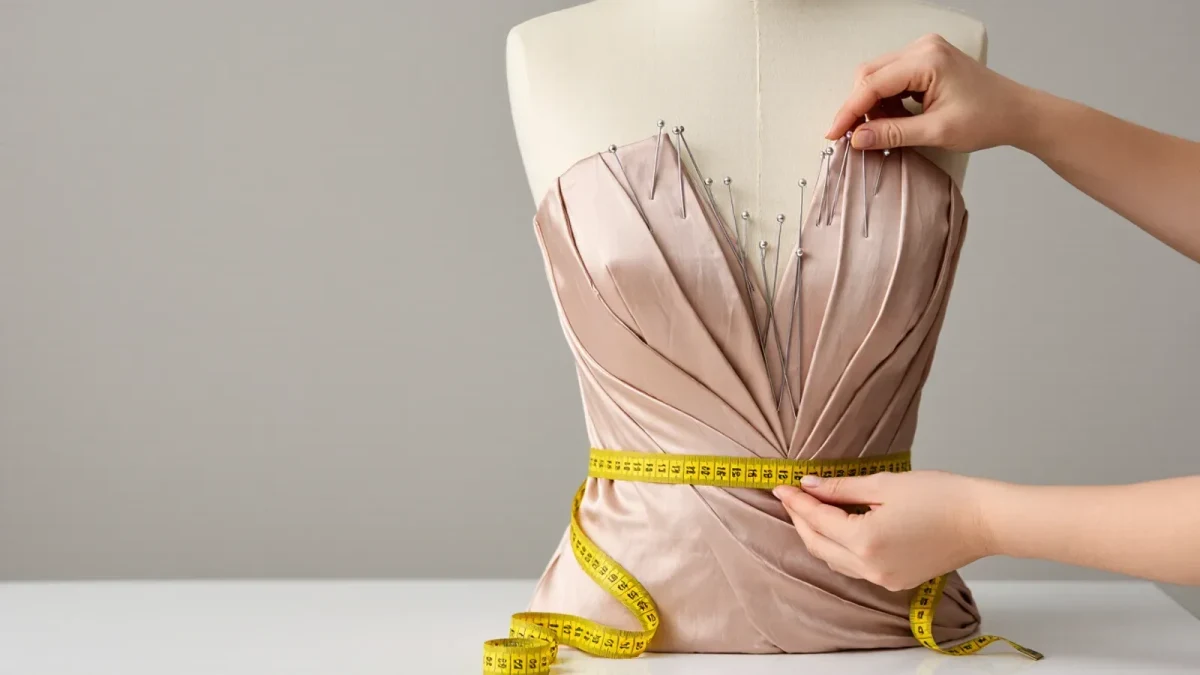
Fittings are engineering sessions. At the first, the stylist photographs the star in each option from the angles the carpet cameras will use, front, three-quarter and back, since a gown that photographs poorly is eliminated regardless of how it reads in the room. At the second and third, a fitter alters hemlines for the chosen shoe height, adjusts bodices for posture on stairs, and secures trains for walking.
- First fitting: narrow options, photograph from carpet angles, select direction.
- Second fitting: alterations, shoe height locked, underpinnings chosen.
- Final fitting: days out, steam, contingency backup look confirmed.
Why does preparation start months early?
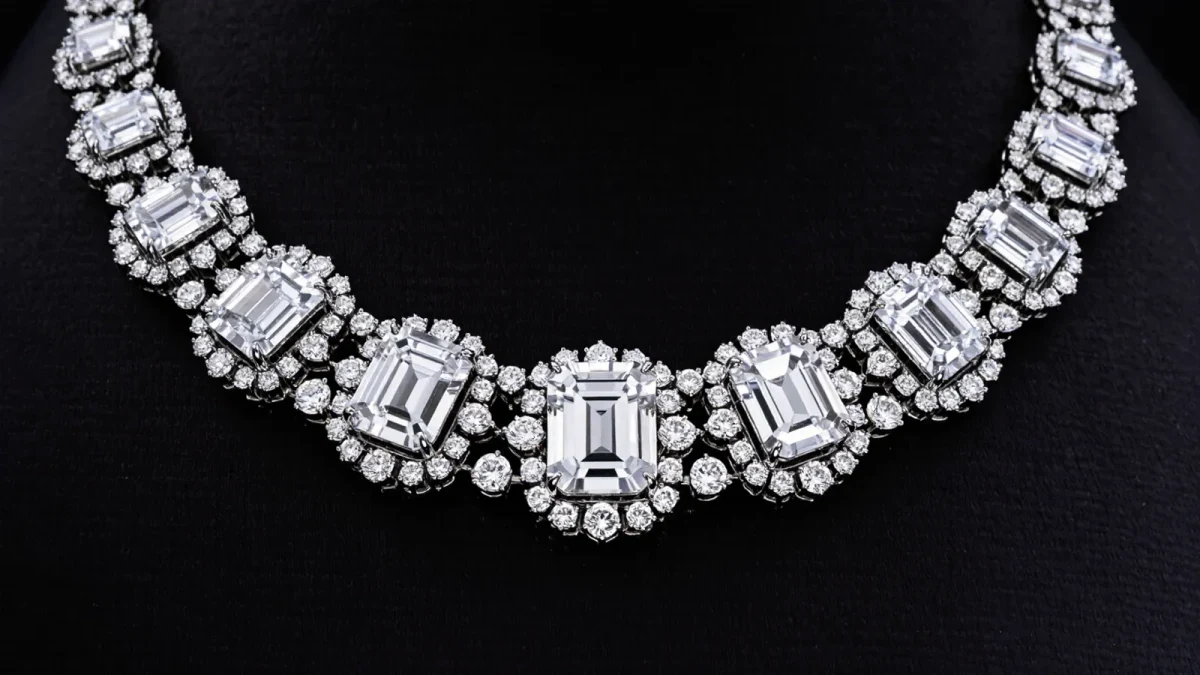
Because couture and high jewelry are scarce. Houses allocate archive pieces and new season gowns to specific stars for specific events, and a stylist requests looks before the guest list is public. Custom work compounds the timeline: a made-to-measure gown needs a minimum of several weeks through fittings, and jewelry loans are confirmed only after the gown silhouette is set, since the neckline determines the necklace.
What does the day itself look like?
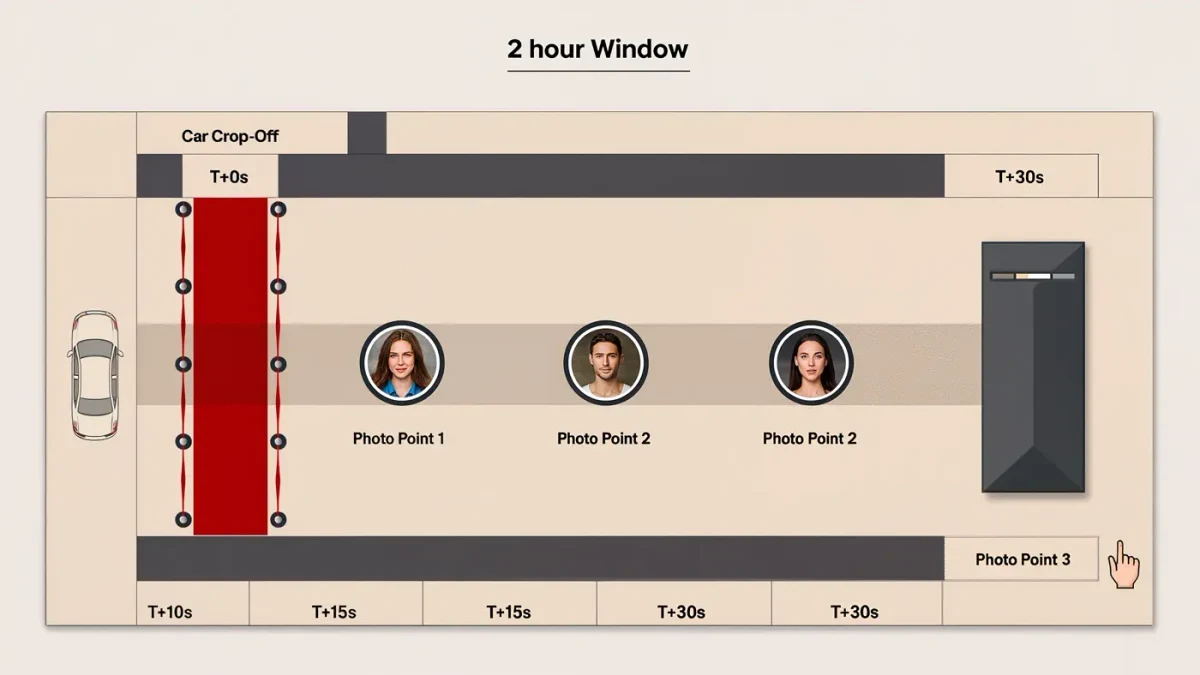
The call sheet is precise. Glamour begins early afternoon, hair before makeup or simultaneously with two artists, manicure parallel, and lunch timed so it does not disturb the lip. The gown goes on roughly an hour before departure, jewelry last under escort, and a final steam happens before the star enters the outfit. Photographs of the finished look are taken at the door for the record and for credit confirmations sent to press.
Transport is part of the plan. Arrival is scheduled against the carpet's running order, and teams choose vehicles that fit the silhouette, a train that cannot survive a standard car seat changes the logistics. On site, a dresser or the stylist often travels ahead with the emergency kit: pins, tape, steamer, clear umbrellas, and duplicate shoes.
The gown goes on an hour before departure; the preparation has been running since midday.
What can go wrong, and how is it covered?
Every plan has a backup. A second look is held in reserve in case of damage, weather or a duplicate on the carpet, a real hazard when several stars draw from the same houses. Beauty looks are designed to survive humidity and flash photography, and shoes come with a lower backup pair for after the line. Weather contingencies, tents, umbrellas, hem protection, are decided by the event, but the team plans for them anyway.
Who pays for all of this?
It varies. For ambassador-linked appearances the house underwrites styling within the relationship; for independent appearances the star's team carries the cost, treating it as professional overhead. Either way, the itemized cost of a major gala look, styling fees, glam team day rates, tailoring, transport, is substantial, and it is budgeted with the same discipline as any other production expense. The carpet is work, and it is costed like work.
How do looks and dress codes get aligned with the event?
The invitation sets constraints before the stylist does. A themed gala with a published dress code narrows options dramatically, and stylists interpret the theme in conversation with the institution's communications team, since a look that flouts the theme generates coverage of the wrong kind. For museum and institutional benefits, respectfulness toward the host institution is part of the brief, and archive pieces tied to the institution's history are a favored move.
Brand obligations overlay everything. If the star is under ambassador contract, the wardrobe is pulled from the contracting house or from houses outside the category, and the stylist keeps an exclusion list alongside the lookbook. A beautiful gown from a competing maison is, contractually, not a beautiful option.
How early does the day start?
For an evening carpet with a six o'clock call, preparation typically begins at noon or earlier. Hair and makeup run three to four hours when elaborate, with tests of the final look against the gown's neckline and the carpet lighting, which differs from red-carpet flash and from stage light. Manicure happens mid-process, lunch is planned around it, and the last hour belongs to the gown, jewelry and a photographic record of the finished look before the car.
How do teams handle weather and outdoor carpets?
Outdoor carpets add a contingency layer. Teams check forecasts a week out and again at forty-eight hours, and the emergency kit expands accordingly: garment protectors, absorbent cloths for hemlines, clear umbrellas that do not block the look, and a plan to shorten a trailing hem if rain makes stone surfaces hazardous. Beauty looks are set with humidity-resistant products, and hair is styled with wind in mind on exposed sites. The look survives because someone planned for the weather the event cannot control.