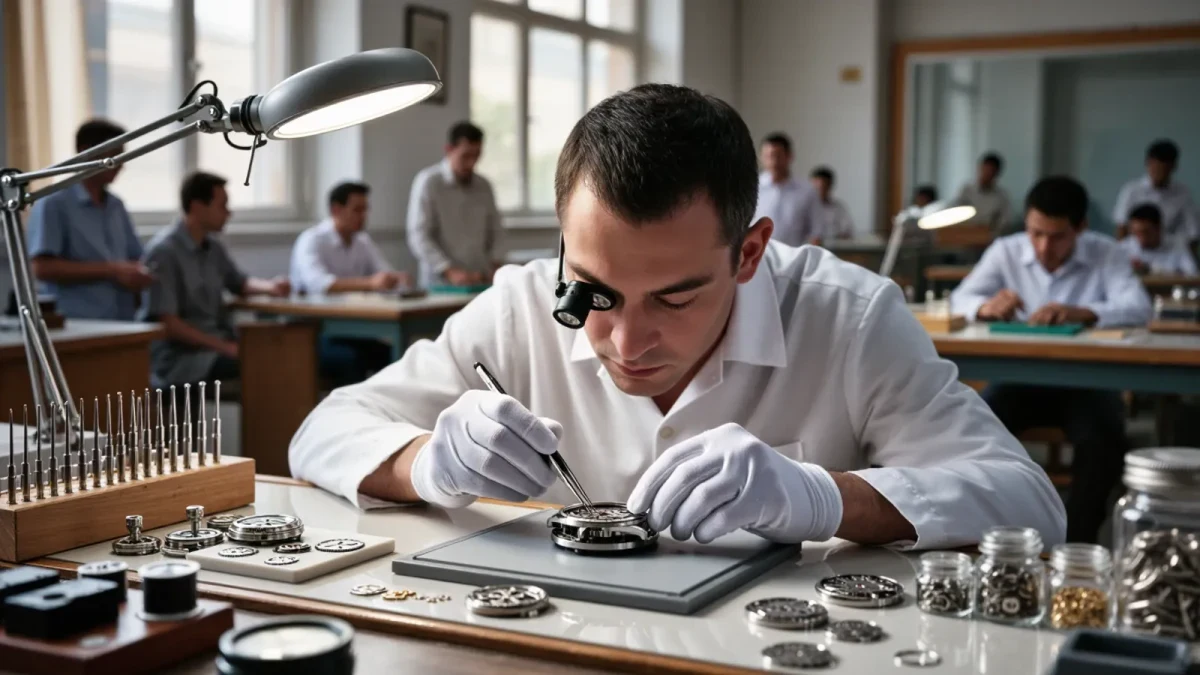
Luxury watches are separated from ordinary timepieces by four measurable markers: an in-house movement developed and finished by the maker, decoration applied by hand, production volumes measured in hundreds rather than hundreds of thousands, and documented provenance through reference numbers and archives. Price follows those markers rather than leading them. A steel sports watch from a haute horlogerie maison can cost several times a gold watch from a volume brand because the movement inside took years of development and the finishing cannot be scaled.
What does haute horlogerie actually mean?
The term translates as high watchmaking and refers to watches built in-house at every level that matters: the movement architecture, the escapement, the decoration and the regulation. There is no single legal definition, which is why the industry leans on institutional yardsticks. The Fondation de la Haute Horlogerie in Geneva has published criteria since 2005 covering technical mastery, craftsmanship, provenance and rarity, and brands apply the label only to watches that meet several of them at once.
How much of a luxury watch is finished by hand?
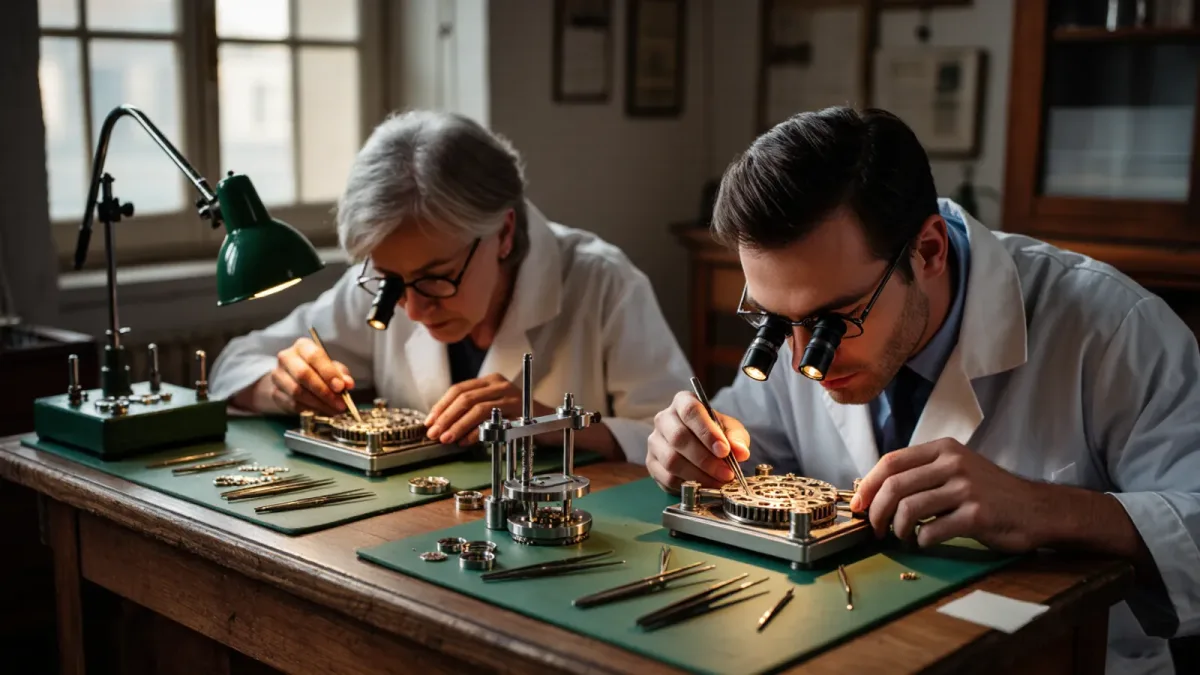
More than the price sheet suggests. Bridges are bevelled with files until the edges catch light at a uniform angle, screw heads are black-polished, and Geneva stripes are applied one bridge at a time. The Poinçon de Genève, the Geneva Seal established in 1886, certifies watches whose movements are assembled, cased and regulated within the canton and meet finishing criteria verified by independent inspectors. A comparable French benchmark, the Chronométrie contests historically held at the Besançon observatory, tested movements to chronometer standards, and the tradition of certified accuracy continues today through the Swiss COSC chronometer certification, which tests uncased movements over fifteen days at three temperatures.
Why do limited editions command premiums?
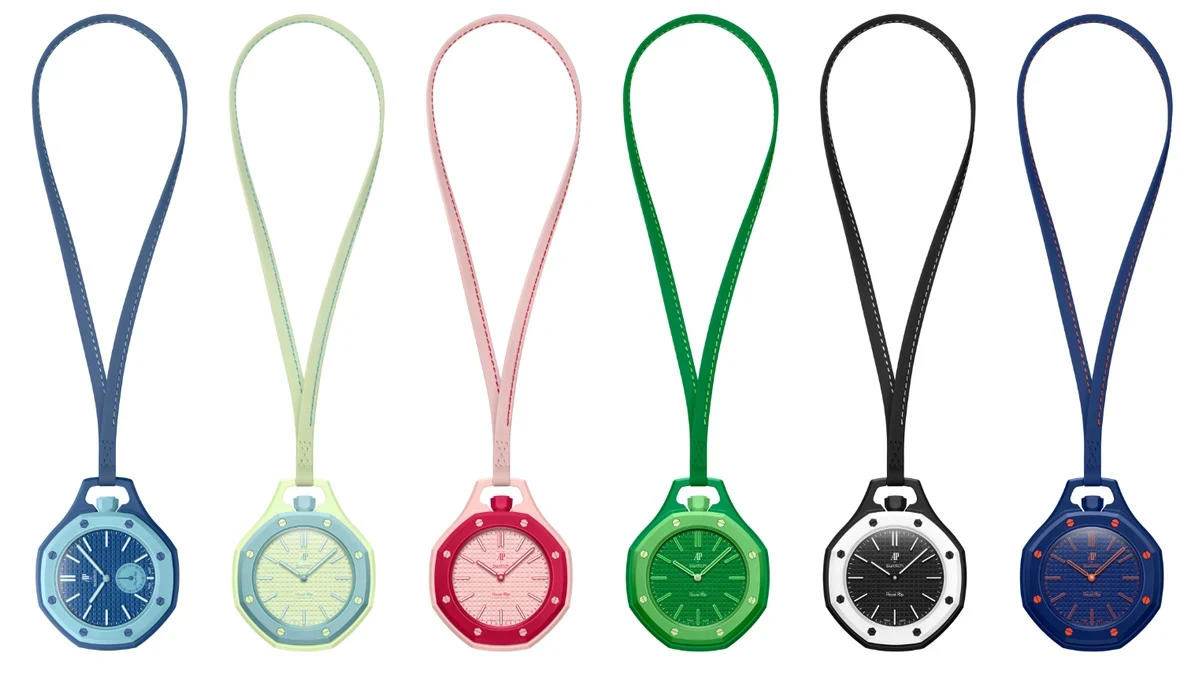
Scarcity is engineered, not accidental. When a maison announces a series of 250 pieces, the number is set against expected demand so the edition sells through and the secondary market stays above retail. Limited series also give brands a way to price hand-finishing honestly: a tourbillon that takes a watchmaker roughly one hundred hours to assemble cannot be amortised across fifty thousand units. Complications — perpetual calendars, minute repeaters, rattrapantes — multiply the labor, and published production figures for these categories rarely exceed a few thousand units per year across the whole industry.
Are in-house movements really better?
They are different, and the difference is the point. An in-house calibre signals that the maison invested in research, employs its own engineers and can repair movements decades later because it holds the drawings. ETA-derived movements from the Swatch Group are technically reliable workhorses, and many respected brands built on them for years. But since Swatch began reducing third-party supply in the 2000s, independence of production has become the industry's dividing line, and the brands that developed their own calibres — Rolex, Patek Philippe, Audemars Piguet, Jaeger-LeCoultre among them — now describe vertical integration as a guarantee of longevity.
What do certifications prove?
Certifications translate craftsmanship into verifiable claims. COSC chronometer certification measures accuracy to minus four and plus six seconds per day. The Poinçon de Genève adds finishing and locality requirements on top. METAS, the Swiss federal institute, certifies Master Chronometer watches for accuracy, magnetic resistance to 15,000 gauss and water resistance as cased watches — a standard introduced by Omega in 2015. Each certificate is traceable to a numbered watch, which is what allows auction houses and retailers to price certified pieces above equivalent uncertified ones.
How does provenance affect value?
Archive extracts can move value by double-digit percentages. Auction results reported by Christie's and Sotheby's consistently show premiums for watches accompanied by original boxes, papers and manufacturer archive extracts confirming the production date and first point of sale. The makers support this: Patek Philippe and Audemars Piguet both offer archive extraction services for vintage pieces, and Rolex began issuing certified authentication for select vintage models in the 2020s. Provenance converts a used watch into a documented object, and that documentation is priced accordingly.
Is a luxury watch a sound purchase?
As a timekeeper, a certified chronometer under two thousand dollars keeps comparable time. As an object, the luxury watch sells engineering patience: development cycles of three to seven years, hand skills that take a decade to master, and materials like silicon escapements and grand feu enamel dials chosen for reasons beyond cost. Buyers who treat watches as investments should note that only a minority of references trade above retail, and the secondary market corrects brutally in downturns, as the 2022-2023 declines in secondary prices reported by watch market indices showed. The honest answer is that luxury watches are consumption, not compound interest — and the industry prices them as objects of permanence in a disposable category.
The line between a watch and a luxury watch, then, is drawn where measurable craft meets documented scarcity. Everything above that line — the bevelled bridges, the limited series, the certificates — exists to be verified, which is precisely why it holds value at all.