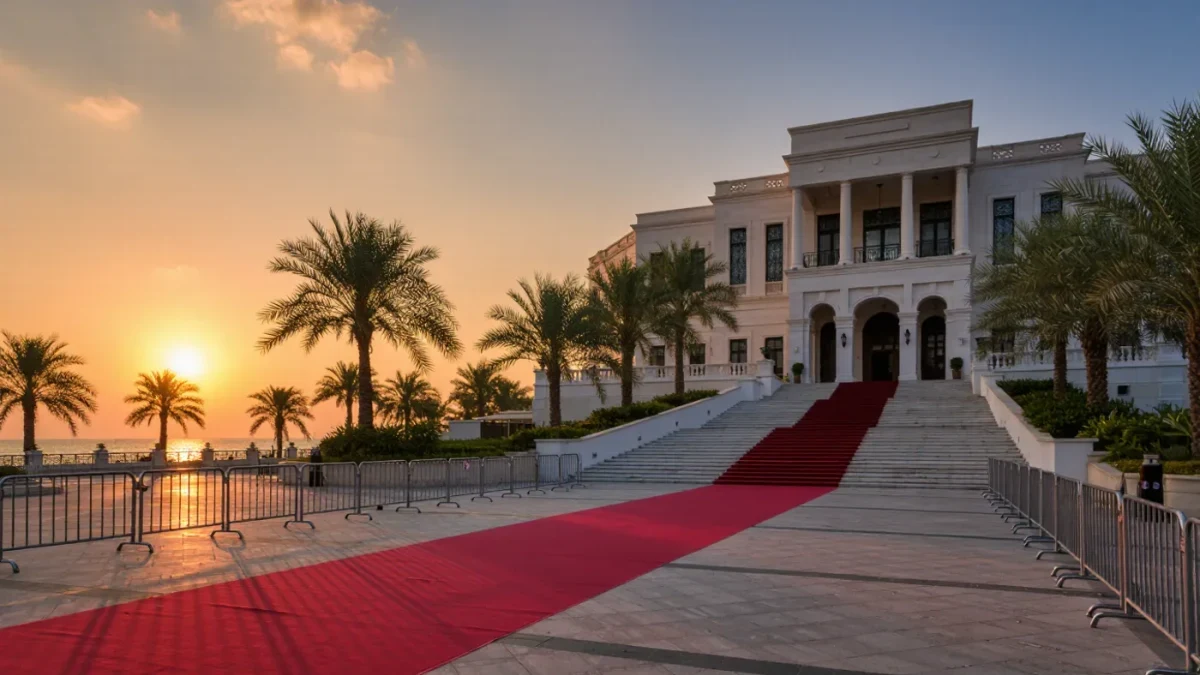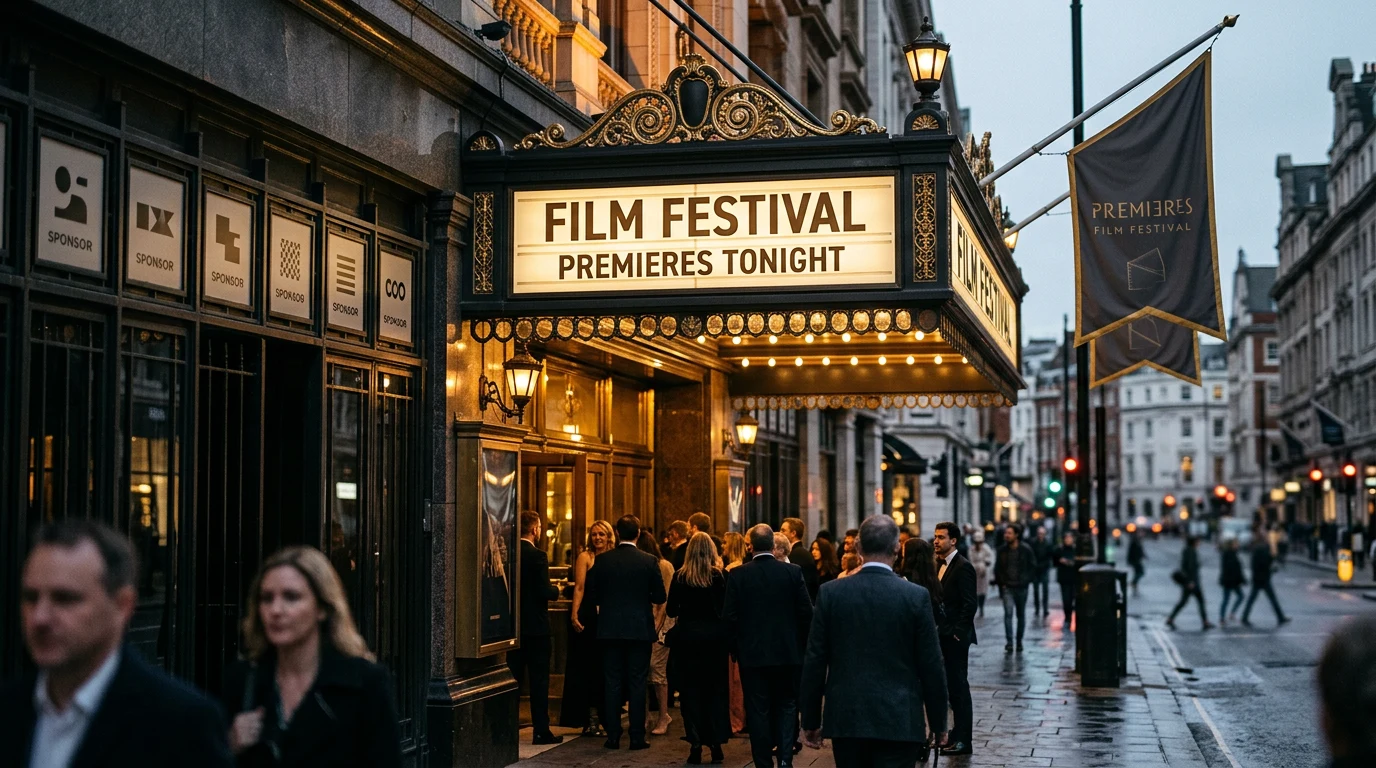
Luxury maisons sponsor film festivals because the red carpet is a rare stage where product, celebrity and editorial coverage arrive in the same frame, unpaid. A single gown worn on the steps at Cannes can generate thousands of press photographs, and the houses that dress, jewel and groom the talent receive that exposure at the cost of a sponsorship fee and loaned inventory. Per festival partner announcements and the brands' own releases, the arrangement runs through multi-year contracts covering everything from official partner status to dedicated hotel suites where looks are fitted days before the premiere.
What does an official festival sponsorship actually include?
At the top tier, an official partner pays a negotiated fee for category exclusivity — the only watch house, the only beauty brand — plus naming rights on trophies, branding on backdrops and tickets to galas. In exchange the maison gets red carpet access for its ambassadors and a platform for product launches timed to the festival. Per the festivals' published partner lists, these contracts typically run three to five years and are renegotiated around audience metrics the festivals supply.
The visible layer is the step-and-repeat backdrop and the trophy engraved with a brand name. The operational layer matters more to the houses: partner status guarantees accreditation for styling teams, priority seating at premieres and access to the talent lounges where ambassador relationships are maintained. Without official status, a brand's team works through publicists and lenders with far less certainty of placement.
Why did fashion houses move from dressing stars to owning the pipeline?
Because loaned dresses became undervalued inventory. When several houses compete to dress one actor, the exposure is no longer exclusive, so maisons shifted toward ambassador contracts and even film production. Per corporate announcements, Saint Laurent launched a dedicated production arm whose shorts and features have premiered at major festivals, converting sponsorship spend into owned content and, occasionally, distribution revenue.
The same logic drives prize sponsorship. A maison that endows an award — as several watch and jewelry houses do at European festivals, per the festivals' award pages — attaches its name to the moment an auteur is crowned, an association with prestige that a straight advertisement cannot buy. The fee also buys a seat at jury-adjacent dinners where long-term ambassador relationships begin.
How do beauty partners use festivals differently?
Beauty maisons run the largest festival operations because makeup is consumed on camera every day of the event, not once per premiere. Per brand releases, an official beauty partner fields a team of artists who work from suites near the festival site for the full duration, creating looks for ambassadors and attending talent. The content generated — backstage films, tutorial clips — is licensed back into retail campaigns for months after the closing night.
- Official partner fees buy category exclusivity and trophy branding, per festival partner pages.
- Ambassador contracts tie a named actor to one house across a full awards cycle.
- Beauty partners operate daily makeup suites and license the resulting content into retail media.
- Production arms turn sponsorship spend into owned films that premiere at the same festivals.
What do the festivals get beyond money?
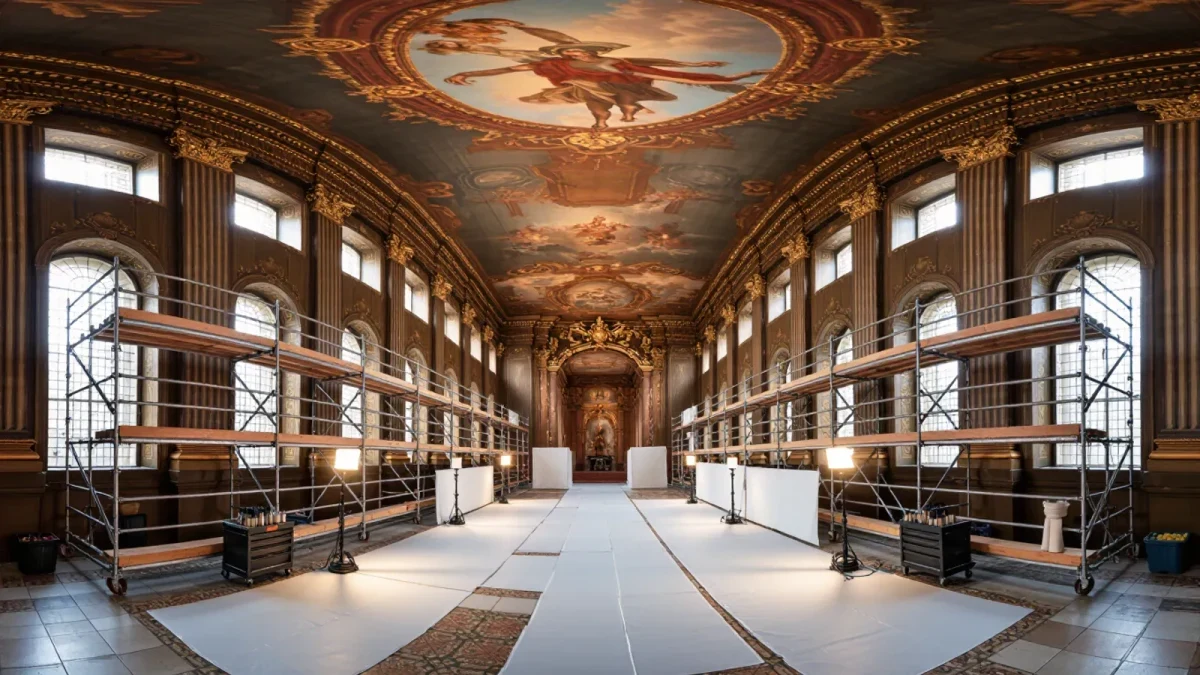
Budget relief and production standards. Festival red carpets, galas and talent programs are expensive to stage, and luxury partners frequently offset specific line items — a gala dinner, an emerging-talent fund, the restoration of a festival venue — rather than writing one unrestricted check. Per announcements by major festivals, several talent development programs and venue renovations carry a maison's name for this reason.
The partnership also disciplines the event's visual identity. A festival flanked by polished brand activations reads as more premium to filmmakers and buyers, which helps competitions attract premieres. Festival executives describing these deals in trade interviews consistently frame them as infrastructure partnerships, not advertising sales.
How is the value measured?
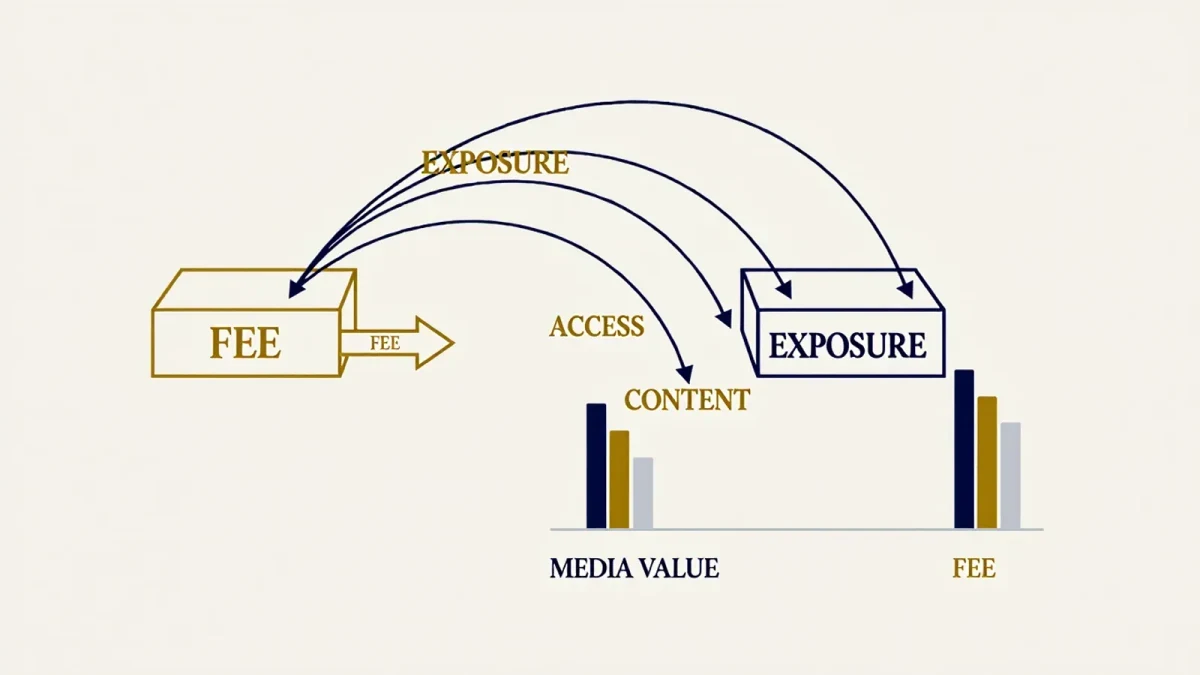
Through media valuation and attribution. Houses count licensed press images featuring their product, estimate the equivalent advertising cost of that placement and compare it against the sponsorship fee and inventory outlay, per marketing executives quoted in trade reports. The second metric is sell-through on products launched or worn during the festival window, tracked by SKU in the following quarter.
What happens when a partnership ends?
The category reopens and bidding follows. When a long-running beauty or watch partnership lapses, rival houses submit proposals to the festival's sponsorship department, and the outgoing brand typically maintains ambassador contracts independently of the event. Per festival announcements, transitions are usually staged over a season so that branding, trophy naming and activated programs change hands without gaps on screen.
The durable effect is quieter than the backdrop photographs. A festival partnership seeds relationships with directors, actors and stylists that outlast any single contract, which is why maisons treat the fees as a cost of access rather than a media buy — the red carpet is simply where the industry's decision-makers stand still long enough to be dressed.