Mounting a film festival in a small city means converting a municipality with limited hotel stock, one or two real auditoriums and a volunteer-sized workforce into a venue capable of hosting international guests, distributors and audiences for roughly ten days. The festivals that have done it — mountain towns, lakeside resorts, island communities — succeed because the town itself becomes the infrastructure: schools become screening rooms, restaurants become meeting venues, and residents staff the operation. Per festival budget documents and municipal filings, the model works only when public money, sponsors and in-kind community contribution arrive together.
What does the venue problem look like in a small city?
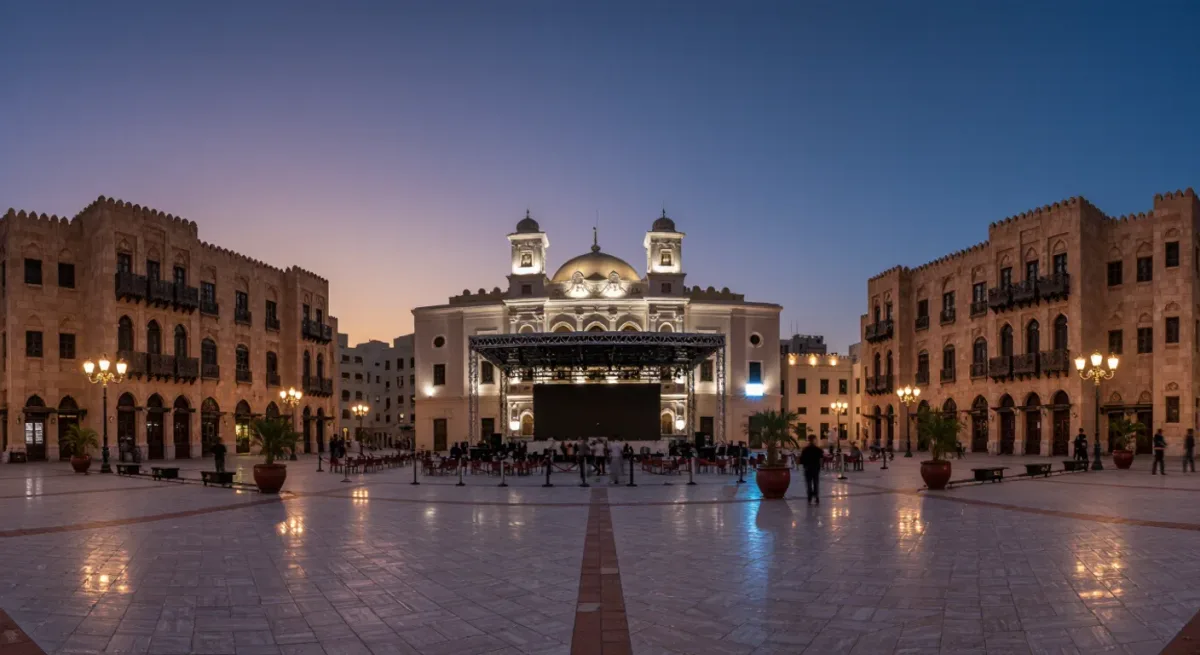
Acute, and solved by conversion. A resort town of a few thousand people typically has one genuine cinema and a handful of halls — theaters, conference centers, gymnasiums, churches — that the festival retrofits with projection, sound and blackout for the duration. Per operations descriptions published by established small-city festivals, temporary venues are erected in weeks, equipped with leased projection and seating, and dismantled days after the closing ceremony. The conversion budget is one of the largest line items, and the tents that house it are frequently underwritten by a sponsor whose name the festival sells.
Where does the money come from?
Four streams, in descending order of reliability. Public funding comes first: cultural ministries, regions and the municipality itself, which treat the festival as tourism policy as much as cultural policy. Sponsorship comes second, anchored by one or two anchor partners — a bank, a telecom, a luxury or beverage brand — plus local businesses buying smaller tiers. Third, earned revenue: ticket sales, passes, accreditation fees and merchandise. Fourth, and decisive in small cities, is in-kind contribution — venues lent at cost, municipal services, and thousands of volunteer hours that keep the wage bill below what the program would otherwise demand.
- Public money underwrites the base program; sponsors buy tiers and naming.
- Tickets and passes rarely cover more than a fraction of costs.
- In-kind contributions and volunteers close the gap between budget and program.
- Anchor sponsors frequently fund the temporary venues directly.
How does a small town house an international festival?
By contracting nearly every bed it has. Festivals of this class operate lodging offices that block hotel rooms, rental apartments and condominium inventory months in advance, then allocate them by priority: jury members and invited filmmakers first, then industry pass holders, then press, then general audience. Per lodging practices described by festival guest-services teams, small-city festivals also negotiate with homeowners to release short-term rentals for the window, and some run homestay programs when demand overwhelms supply. Price spikes during the festival are a documented feature and a recurring political issue in host towns.
What does the workforce look like?
A small permanent staff and a large seasonal surge. A festival may employ a core team of ten to thirty people year-round on programming, operations and sponsorship, then expand several-fold for the event with temporary technical crews, hospitality staff and volunteers. Per volunteer-program figures published by major small-city festivals, community volunteer corps run from several hundred into the thousands, handling everything from queue management to translation to driving guests from the airport. The volunteer base is simultaneously a cost solution and a civic identity — towns take visible pride in the operation.
How is a small city chosen in the first place?
Usually by history or by strategy. Several of the best-known small-city festivals began as civic projects in the mid-twentieth century, when a cultural institution or a resort municipality launched a program to extend the tourist season. Others relocated deliberately, seeking intimacy and focus that big cities could not offer. Per festival histories and municipal archives, the decision is economic at root: a ten-day event that fills hotels in a shoulder season can anchor a town's annual revenue. The gamble is that the town's carrying capacity — beds, roads, parking — matches the program's ambition.
What happens when the town and the festival disagree?
Negotiation, occasionally in public. The recurring frictions are housing costs, traffic, noise permits and the displacement of daily life during the event. Municipal councils weigh citizen complaints against the tourism income and the town's global visibility; festival boards weigh program growth against community patience. Per local-government filings in several host towns, the settlement is typically codified in a host agreement covering dates, services the city provides, fees the festival pays and community-access commitments such as local-resident ticket allocations and free public screenings.
How is success measured?
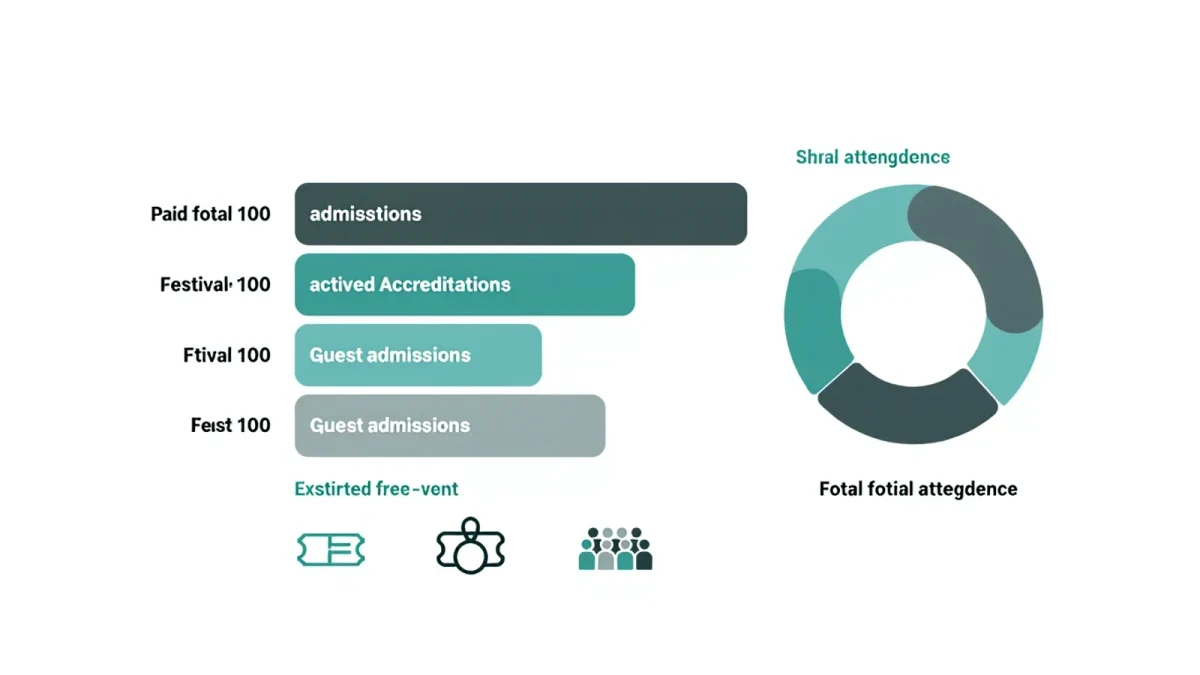
Attendance and economic impact, both published. Festivals count admissions across venues and report the total in closing statements; economic-impact studies, often commissioned with the municipality or a tourism board, estimate visitor spending on lodging, food and transport. The figures are contested methodology — impact studies count spending that may partly displace other tourism — but they are the currency in which festivals justify public funding in the next budget cycle. Per published final reports, small-city festivals typically report total admissions well beyond the town's resident population, a ratio that explains why municipalities keep funding them.
Could any small city do this?
Not cheaply, and not quickly. The festivals that look inevitable today took decades to build selection credibility, industry attendance and audience habit, and each depends on a funding coalition that survived changes in local politics. What a newcomer can replicate is the mechanism: a defined season niche, conversion venues, a lodging plan and a volunteer corps. What cannot be manufactured is the ten-year accumulation of trust from distributors, sales agents and press that makes a small town worth the trip.
What does the annual cycle look like?
Programming runs year-round. The artistic team screens submissions and travels to other festivals from autumn through spring, building the selection that will be announced in early summer. Operations work on a different clock: venue conversion drawings are finalized months out, technical equipment is leased with delivery dates fixed to the day, and volunteer recruitment opens after the program announcement, when demand for shifts can be forecast from ticket interest. Per scheduling details festival operations teams have described in trade interviews, the build begins immediately after the previous edition is struck — small crews simply have less slack than their big-city counterparts.
Why do small cities keep their festivals despite the disruption?
Because the alternative is worse for the local economy. A ten-day event that fills every restaurant and room in a shoulder month can represent a meaningful share of annual takings for hospitality businesses, and the festival's international coverage functions as destination marketing the town could not otherwise buy. Per statements from host-town councils that have renewed festival agreements, the political calculation almost always lands on renewal, with conditions — earlier resident ticket access, caps on certain closures, clearer benefit reporting — rather than cancellation.