Major festivals do not only discover debut filmmakers; they develop them. Institutes attached to festivals — the Sundance Institute's labs, the Venice Biennale College Cinema, Berlinale Talents, Cannes' Résidence and the Torino Film Lab — fund, mentor and program first features years before release. The model, pioneered by Sundance in the early 1980s, treats a debut as a multi-year investment in a filmmaker rather than a single submission.
What is the Sundance Institute's lab system?
The Sundance Institute, founded by Robert Redford in 1981, runs the sector's best-known development programs. Its Screenwriters Lab and Directors Lab bring selected fellows to workshop projects with established advisors — the institute lists hundreds of alumni across its programs, and its labs supported early work of filmmakers whose debuts became defining American independent films. The labs are competitive, residency-based and free to fellows, with travel and housing covered by institute funding — much of it donor-financed, as Sundance's own festival economics depend heavily on contributed revenue.
What is the Venice Biennale College Cinema?
La Biennale di Venezia's Biennale College Cinema is one of the few programs that fully funds debut features. Selected teams — first- or second-time directors working at low budgets — receive production funding, reported by La Biennale at 150,000 euros per project in recent cycles, plus development workshops and, critically, a guaranteed world premiere at the Venice Film Festival. The budget constraint is a creative parameter: films are made for that sum, and the program teaches production discipline alongside craft.
What do Cannes and Berlin offer first-time directors?
Cannes operates the Cinéfondation, whose Résidence hosts young directors in Paris twice a year to write and develop projects, and whose Selection brings student films to the festival. The festival also programs first features in official side sections such as Un Certain Regard and, historically, the Caméra d'or competition for debut films. Berlin runs Berlinale Talents, a week-long summit for several hundred emerging professionals, alongside co-production market tracks for first features, and its Generation section platforms young directors alongside youth audiences.
Why do festivals invest in unproven filmmakers?
Talent pipelines. A festival that supports a director's first film has a relationship with their second and fifth, and first features supply the freshness that programming credibility depends on. The economics also align: institute programs are funded by foundations, government arts bodies and donors — Venice's College is part of a state-supported cultural institution — so the cost sits outside festival operations while the programming benefit sits inside them. Public film funds across Europe co-invest in the same pipeline, making labs a filtering mechanism for national financing.
What does a lab actually give a filmmaker?
- Money: development grants, production funding or both — Venice's College at 150,000 euros per film, Torino's feature lab granting smaller development sums across multiple projects.
- Mentorship: scene-by-scene work with established directors, editors and producers; Sundance labs pair fellows with advisors across multiple sessions.
- Community: an alumni network that functions as the independent industry's professional layer — collaborators, financiers, future colleagues.
- A platform: guaranteed or prioritized festival slots, which for a debut is the single most valuable asset in independent cinema.
How do debut competitions themselves work?
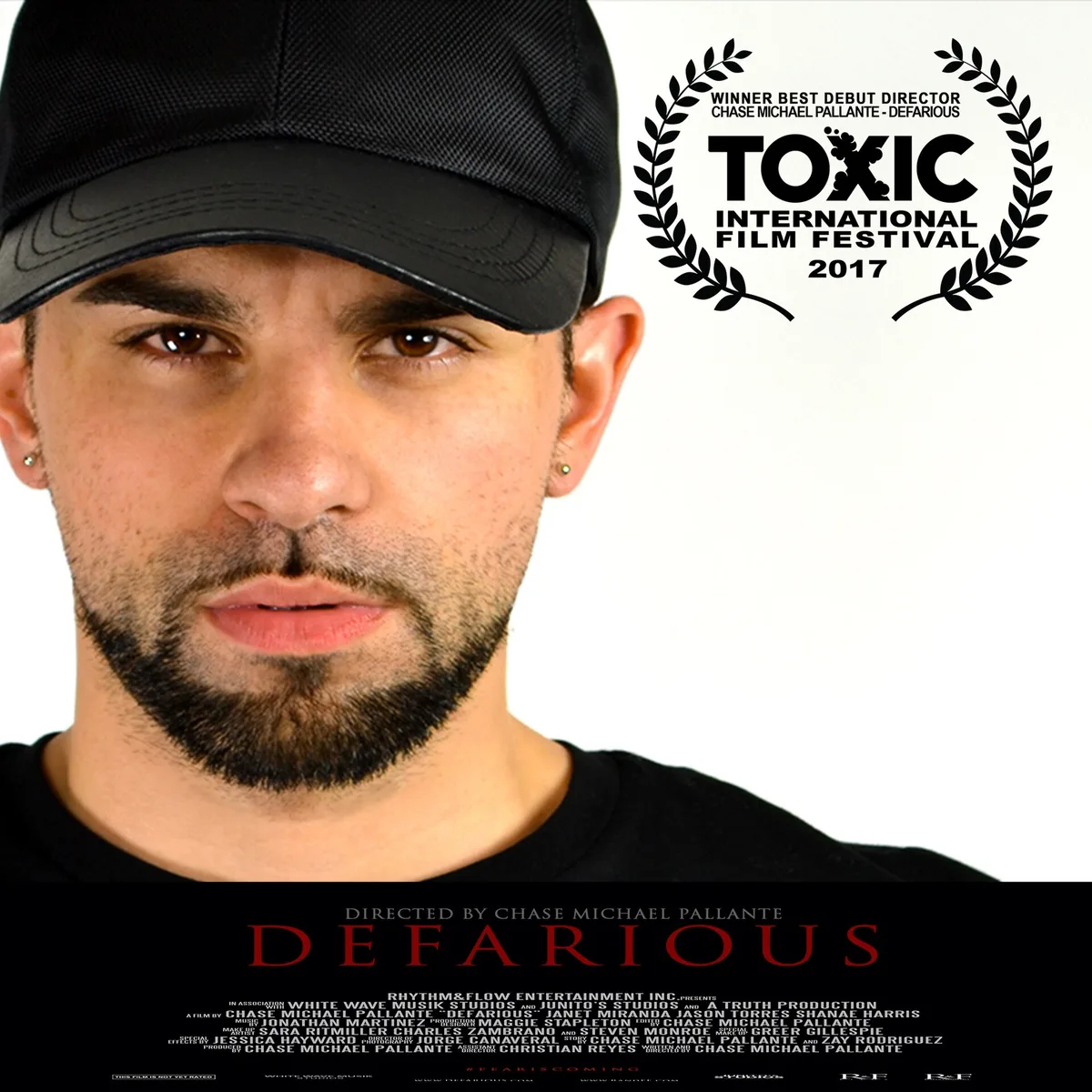
Most major festivals operate first-feature prizes. Cannes awards the Caméra d'or to the best debut across official sections; Berlin and Venice run equivalent awards, and festival programming teams actively track lab and institute alumni for debut slots. A first-feature prize carries sales weight: distributors and sales agents watch debut competitions precisely because a prize-winning first film announces a career, and acquisition prices for prizewinning debuts reflect that premium.
What is the Torino Film Lab and why does it matter?
The Turin-based lab, launched in 2008, has become one of Europe's central development and co-production platforms for first and second features. It runs year-round training culminating in a co-production market where projects meet financiers, and it distributes development and production awards at its November event. Its alumni map closely onto European festival lineups of the past decade — evidence of how concentrated the pipeline is: a few hundred lab slots per year, globally, feed a substantial share of the debut films that reach major programs.
Does this system have critics?
Yes, on two grounds. One is narrowness: lab pipelines favor filmmakers who can access applications, festival networks and often festival-circuit educators, which skews the demographics of who gets developed. The other is aesthetic: films shaped by development labs can converge on a festival-house style, a criticism programmers acknowledge and contest. Institutes have responded with regional labs, expanded outreach and remote participation, but the structural bottleneck — many more deserving debuts than funded places — remains.
What difference does support make to a career?
The measurable one is survival to a second film. Industry analysis has long noted that many debut filmmakers never make a second feature; lab alumni, with networks, mentors and festival relationships, convert to second films at visibly higher rates. For an industry that profits from distinctive voices, the labs are the nearest thing independent cinema has to a research budget.
How does a filmmaker get into these programs?
Through competitive applications and scouting. Labs publish open calls with project requirements — a draft, a director's statement, sometimes a produced short — and selection committees of programmers and industry professionals review submissions numbering in the thousands for a few dozen places. Festival programmers also scout shorts programs and national film schools directly, inviting filmmakers into development tracks before any feature exists. The application itself has become a craft: producers increasingly workshop submissions, and lab acceptance often arrives only after several cycles of applying.
What comes after the lab for a debut film?
A financing relay. Lab-prepared projects move into co-production markets, where the same festival infrastructure connects them with financiers, public funds and sales agents; many debut features traverse two or three programs across three to five years before cameras roll. Festival programming then completes the loop, with debut slots and first-feature prizes reserved across major programs. The system is slow by design — it trades speed for durability, on the theory that a director's second film matters more than their first premiere.