An experience lot is a promise with a contract behind it: a meal with a public figure, a walk-on role, a set visit or a private screening, donated by the star and packaged by the charity into an auction item with defined dates, guest counts and conditions. These lots routinely outperform signed memorabilia at benefit auctions because they sell the one thing money cannot buy at retail, verified time with a famous person. The mechanics are logistics: scheduling, insurance and redemption.
What kinds of experiences do stars donate?
The catalog is short and stable. Meal and coffee meetings dominate. Set and studio visits, premiere tickets with after-party access, walk-on or cameo roles subject to production, private concerts, meet-and-greets at tour stops, and named or cameo opportunities in books and films fill out the list. Each is donated through the celebrity's publicity team, which sets parameters before the item is catalogued.
- Meals and meetings: fixed duration, fixed guest count, location TBD by the star's team.
- Set and premiere access: tied to production schedules, non-transferable.
- Walk-on and cameo roles: subject to script, availability and producer approval.
- Private performances: date windows agreed in advance with touring calendars.
Why do experiences outsell objects?
Auction committees have learned that scarcity plus story beats merchandise. A signed poster competes with the retail memorabilia market; lunch with a film star has no market price, so bidders anchor on personal value rather than comparables. Experiences also generate social currency after the hammer: the winner retells the evening for years, which markets the next edition of the gala.
Non-transferability is part of the value. The winning bidder cannot resell the lot, so the purchase is positioned as philanthropy first and privilege second, a framing charities reinforce in the catalogue language.
How are the lots structured and priced?
The charity packages the donation into a catalogue entry with restrictions, then sets an opening bid or reserve with its auction partner. Professional benefit auctioneers read the room, but pre-event fundraising matters as much: committees identify two or three interested bidders for headline lots and encourage them to attend. Live experience lots are sequenced late in the program, when the room is warm.
Values are stated carefully. Where a fair market value is required for tax purposes, unrelated experience donations are handled differently from cash gifts, and winning bidders should rely on their own advisors. The charity's job is accurate description; the lot's economics are the bidder's to assess.
What happens after the hammer falls?
Redemption is the risk. Payment is collected, then the charity's staff or the star's team coordinates scheduling within the agreed window, typically twelve months, with extensions negotiated in writing. Stars' teams protect the calendar aggressively: dates shift around production, and lots specify that fulfillment occurs at the donor's convenience.
Failed redemptions are rare but real, and charities manage them with clear terms: expiry dates, substitution rights and, occasionally, refunds or alternate lots. A well-drafted package anticipates the scheduling problem before the bidding starts.
Experiences have no market price, so bidders anchor on meaning rather than comparables.
Why do celebrities donate access at all?
Access is the most valuable asset a public figure can give without writing a check, and it costs time rather than money. It also serves the relationship economy: a meal donated to a museum gala introduces the star to a room of trustees and collectors, and a set visit strengthens ties to the studio whose production is visited. Publicists weigh the exposure favorably while vetting the charity and the guest.
How much do these lots raise?
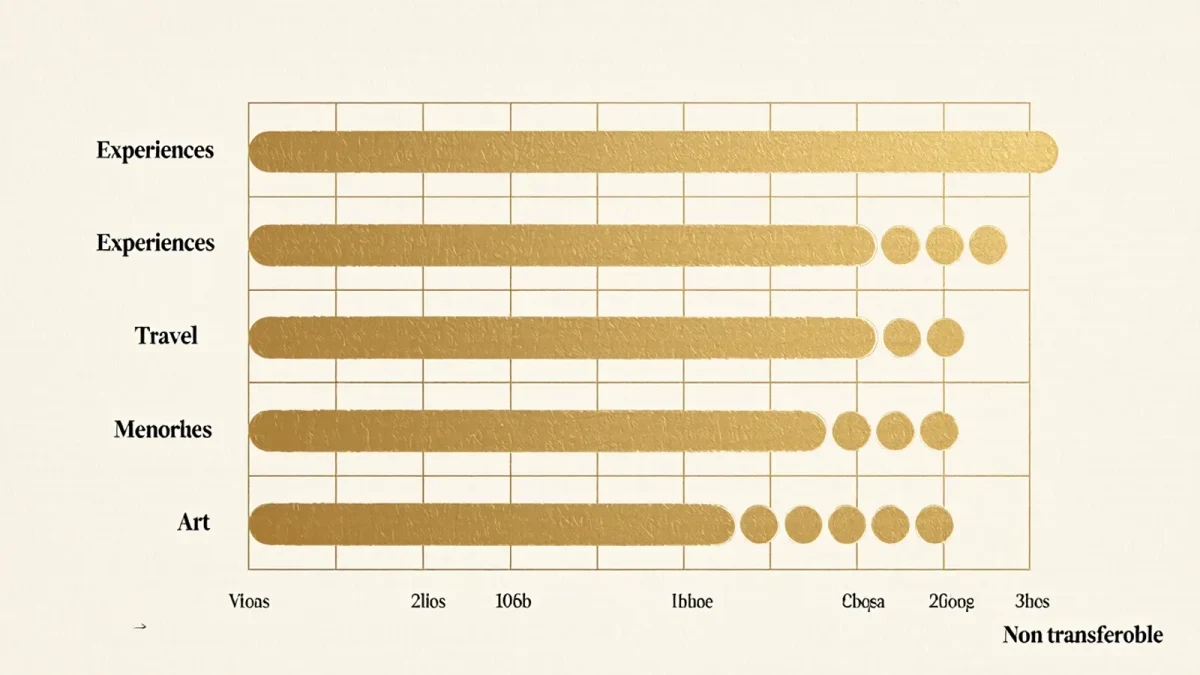
Results vary widely by star, cause and room, and headline figures reported after major galas are announced by the hosting organizations themselves. The pattern is consistent across benefit seasons: experience lots sit at the top of the results sheet, above travel packages and memorabilia, and they do the most work when the auctioneer can name the donor from the stage. The star does not need to attend the gala for their donation to lead the sheet; the promise alone carries the room.
How are headline lots promoted before the event?
Preview strategy drives the price. Committees release catalogues two to three weeks out, brief friendly press on the headline lot and seed social previews, so bidders arrive with the item already in mind. For a truly exceptional donation, a single phone call to a known collector, an invitation to preview evening, converts interest into attendance, and attendance into bidding, far more reliably than catalogue copy alone.
The auctioneer's script matters as much as the catalogue. A skilled benefit auctioneer tells the donor's story in ninety seconds, names the impact of the funds and then opens the lot, because bidders give to narrative, not to inventory. This is why charities pay professional auctioneers for one evening of work.
Are there tax implications for the buyer or donor?
Yes, and the paperwork is more nuanced than for cash gifts. For the winning bidder, only the amount paid above the lot's stated fair market value is potentially deductible, and experiences often have no determinable market value at all. For the celebrity donor, donating services or time is treated differently from donating property or money. Both sides are advised to rely on their own tax professionals, and charities that publish clean lot descriptions make that advice easier to give.
Do silent auctions handle experiences too?
Yes, with adjustments. Silent and online formats suit mid-tier experiences, a signed set visit or premiere tickets without a meet component, while headline access lots stay in the live program, where an auctioneer can build momentum. Online pre-bidding has blurred the line: several charities now open experience lots digitally before the event and carry the top bid into the room, which widens the bidder pool beyond attendees and lifts final prices.
For more context, read How Publicists Shape Gala Guest Lists Behind the Scenes.
For more context, read taylor swift philanthropy.
For more context, read leonardo dicaprio foundation.