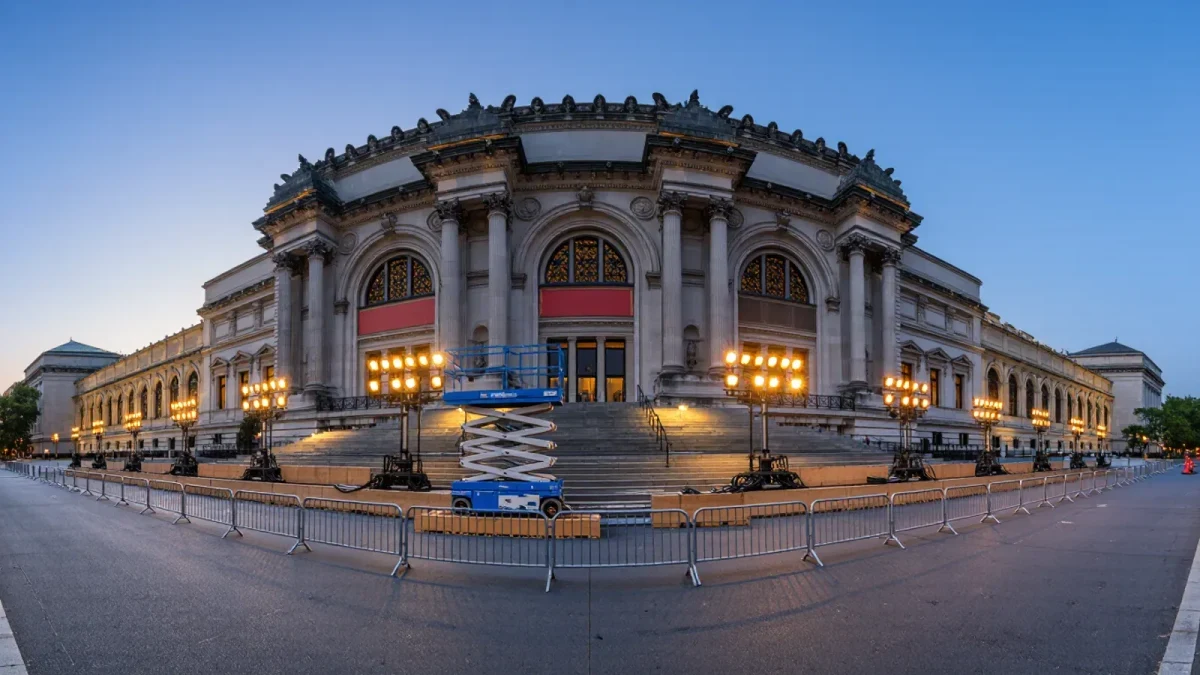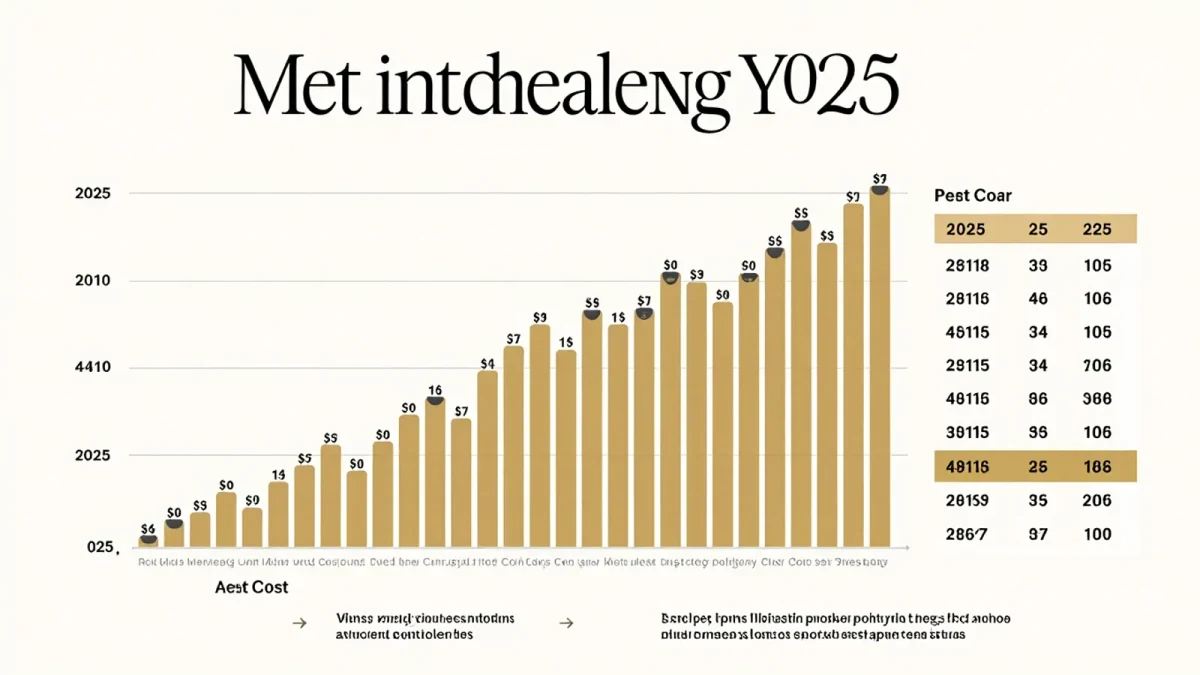
The Met Gala's economics start with published numbers: individual tickets cost $75,000 and full tables $350,000 as of the 2025 event, per the Metropolitan Museum of Art, up from $3,500 per ticket a decade earlier. The evening is the primary funding source for the museum's Costume Institute, which the Met describes as its only curatorial department that must finance itself — including its exhibitions, acquisitions, staff and conservation — through benefit proceeds and related giving. Everything else about the night, from the guest list politics to the red-carpet industrial complex, sits on top of that simple structure: a museum department paying for itself with one annual party.
Who can actually buy a table?
Anyone the museum approves, which is the real currency. Tables are purchased by fashion houses, brands and wealthy patrons, but purchase does not guarantee the guest list: the Met and the evening's host committee control invitations, and companies buying tables submit their seat assignments for approval, per the museum's descriptions of the process. The result is a market with a price and no open door — brands use tables to seat ambassadors, clients and celebrities whose attendance amplifies the sponsorship, and the museum uses approval rights to keep the evening's composition consistent with its institutional standing.
Where does the money go?
Into the Costume Institute's annual operations. Benefit proceeds support the department's exhibitions, acquisitions, conservation and staffing, per the Met's published descriptions of the gala's purpose — the department is expected to fund itself rather than draw on the museum's general budget. The annual fashion exhibition the gala celebrates is among the museum's most visited shows year after year, which gives the benefit a public-interest defense beyond the party imagery: the money maintains a collection of tens of thousands of garments and accessories and the curatorial work that studies them.
- Individual tickets: $75,000 as of 2025, per the Metropolitan Museum of Art.
- Full tables: $350,000 as of 2025, seating roughly ten guests.
- Proceeds fund the Costume Institute — exhibitions, acquisitions, conservation and staff.
- The department is described by the Met as its only one that finances itself.
How did prices reach this level?
Steady escalation tied to the evening's transformation into a global media event. Tickets stood near $3,500 in the early 2010s, passed $25,000 mid-decade, reached $30,000 and then $50,000 in subsequent years, and arrived at $75,000 for 2025, per figures the Met has confirmed to press including the Associated Press. Each increase tracked the evening's growing audience: when the red carpet became one of the most photographed media moments of the year, demand for seats rose faster than the table supply, and the museum priced accordingly — a pattern familiar from any benefit whose prestige outruns its capacity.
What does the evening cost to produce?
More than a normal gala, and the museum does not publish the figure. The event involves transforming the museum's entrance hall and galleries around the exhibition's theme, a seated dinner, performances and security on a scale matched by few private events in the city; production budgets reported in press accounts have run well into seven figures. Those costs are borne against benefit revenue, which is standard benefit accounting — the net, not the gross, is what reaches the department. The Met reports the gala as its benefit income in annual filings, where it consistently ranks among the largest single-evening fundraising results in the American nonprofit world.
Why do brands pay without hesitation?
Because the media return is priced below its market equivalent. A table seats a house's ambassador, a designer and chosen guests in the most covered fashion setting of the year — imagery that would cost multiples of $350,000 to buy as advertising reaches the same audience through editorial coverage. The houses also gain proximity to the exhibition itself, with many signing as corporate sponsors of the show the gala opens, per the Met's sponsor acknowledgments. The museum, for its part, gains a donor base from the industry whose history the department documents, an alignment critics call comfortable and curators call coherent.
Who gets in without paying?
Guests of the hosts and the museum, plus performers, and increasingly, designers' guests whose tables are bought by the houses. The host committee each year — co-chairs drawn from entertainment, fashion and sport — invites guests whose attendance the evening's coverage is built around; the museum extends its own invitations to patrons and figures from the arts. Emerging designers and artists frequently attend as guests of houses or hosts rather than ticket buyers, which functions as the event's informal sponsorship of the field's next generation, per attendee accounts in press coverage of the evening.
Has the model drawn criticism?
Yes, on two recurring grounds. One is access: a museum benefit priced at $75,000 a seat is, by construction, an elite room, and observers including nonprofit-sector commentators have questioned the optics of a public institution's most visible evening being closed to the public that funds it through taxes and donations. The other is dependence: tying a curatorial department's budget to fashion-industry patronage creates relationships with the companies the department also studies and exhibits. The Met's answer is the exhibition record itself — attendance and scholarship the museum cites in describing the gala's purpose — and the numbers do the rest: by the museum's own accounting, the evening reliably delivers the department's operating year in a single night.How does the gala compare with other museum benefits?
By result, it is in a class of one. Most major museum benefits gross in the low millions from an evening of dinners, auctions and paddle raises; the Met’s benefit income, reported in the museum’s annual filings, has ranked at the top of American single-evening fundraising for years on the strength of ticket prices no peer institution commands. The difference is audience: a conventional benefit sells its room, while the gala’s product is a global media event the room happens to host — which is why the museum can raise a table to ,000 across a decade and still fill the building.
"