Feeding a thousand guests in one seated service takes a frozen kitchen footprint, an allergen matrix and a 90-second plating window — with dietary requirements now shaping menus before the first dish is written.
Nonprofits that run galas must disclose revenue, expenses and program spending in IRS Form 990 filings, and the strongest ones add audited statements that separate gross fundraising from net.
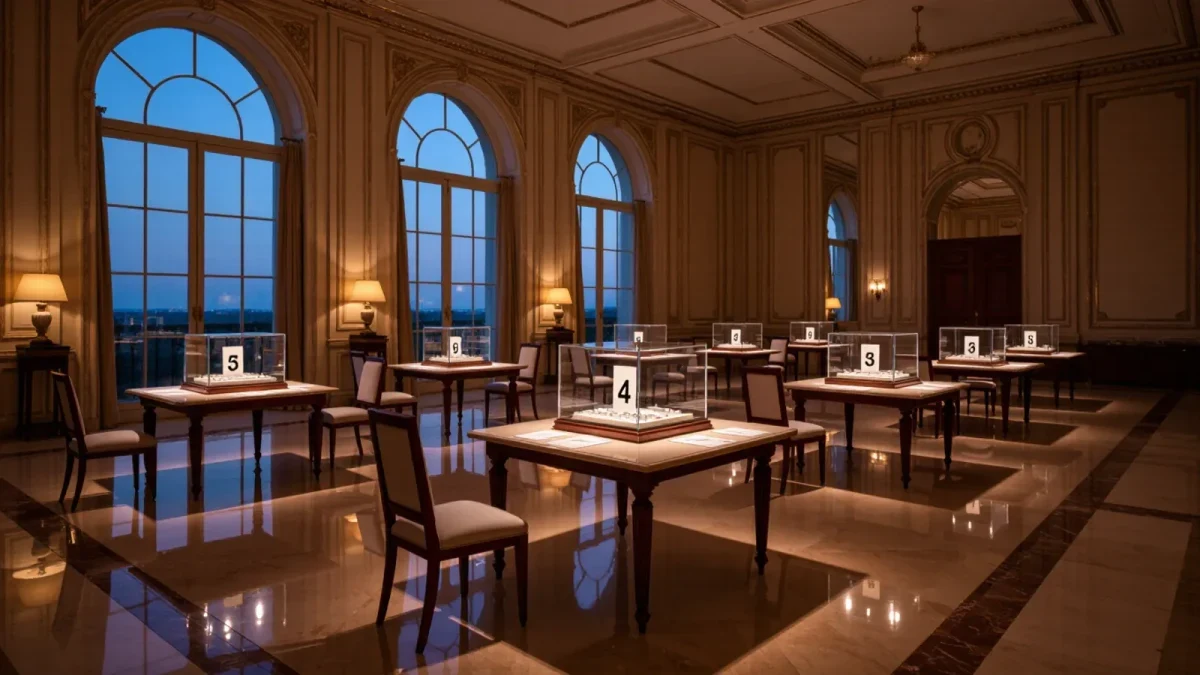
Silent auctions cast a wide net of lower-priced lots browsed on mobile phones, while live auctions chase a handful of big-ticket items under a professional auctioneer — and strong galas run both on purpose.
Gala invitations are earned through membership tiers and committee commitments months before they are printed, with each patron level pricing a defined set of privileges, seating and access.
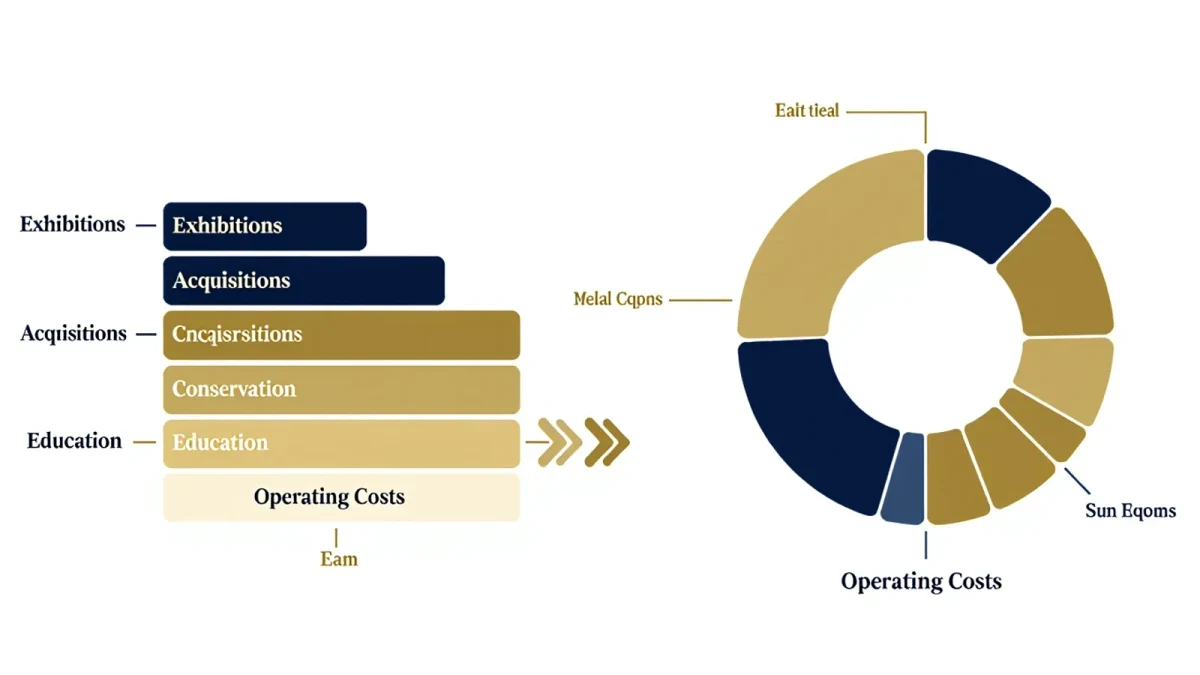
Museum gala proceeds pay for exhibitions, acquisitions, conservation and education programs — and, in some departments, the salaries and operations that ticket revenue alone cannot cover.
Gala committees are unpaid sales forces: members commit to selling tables, opening donor networks and underwriting costs in exchange for listing on the invitation and a seat inside the room.