Galas run two auction formats because they raise money from different parts of the room. A silent auction lays out dozens or hundreds of lots — signed objects, travel packages, dining experiences — that guests bid on quietly through paper sheets or, increasingly, mobile bidding platforms over cocktail hour and dinner. A live auction compresses five to ten premium lots into twenty staged minutes under a professional auctioneer, with spotters, paddles and a warm room. Organizers describe the split in consistent terms: silent auctions maximize participation and average gift size across the whole guest list, while live auctions concentrate the largest gifts from the few highest bidders in the room.
How does a silent auction actually work?
Lots open at posted times, usually during the reception, with starting bids set well below fair market value — commonly 30 to 50 percent of the item's stated worth, per auction organizers' standard practice. Guests bid by writing on sheets or through mobile platforms that notify bidders when they are outbid, a mechanism platforms say measurably lifts final prices by keeping competition alive across the room. Lots close at staggered times, and the platform or committee settles payment by card on file the same evening. Mobile bidding also lets remote supporters participate without attending, which organizers adopted at scale in the early 2020s and retained for hybrid events.
How does a live auction work?
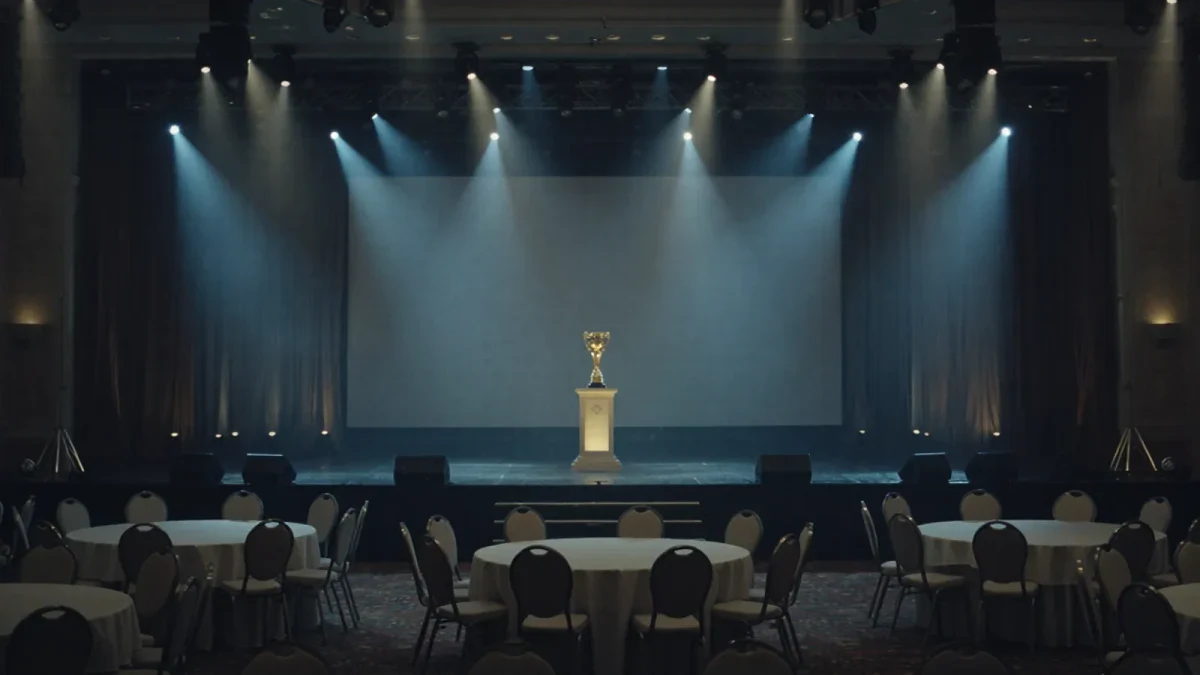
The band stops, the lights change and a professional auctioneer takes a microphone. Live lots are experiences and one-offs rather than retail items: set visits, chef dinners at a donor's home, naming rights, commissioned works. The auctioneer works a prepared script of increments, benefit auctioneers trained in fundraising technique build energy between bids, and spotters stationed around the room catch paddle raises the auctioneer cannot see. Live segments are scheduled after dinner and speeches, when the room is seated and warm, and often include a direct-appeal paddle raise with no lot at all.
Which format raises more money?
Neither wins outright; they do different jobs. Live auctions produce the highest per-lot figures — a single experiential lot can outgross an entire silent auction table — which is why benefit auctioneers advise concentrating star items in the live segment. Silent auctions produce breadth: a room of 400 guests can place hundreds of winning bids at accessible price points, engaging donors who will never raise a paddle at five figures. Organizers report that pairing the formats, with the silent auction closing before the live one begins, avoids cannibalizing attention and lets the evening build to its financial peak.
What does each format cost the nonprofit?
Silent auctions carry variable costs: donated items carry little cost but consigned items — travel and jewelry bought on consignment — can consume 30 to 80 percent of the hammer price, a margin issue fundraising consultants repeatedly flag. Mobile platforms charge setup and processing fees, typically hundreds of dollars plus a percentage of sales. Live auctions cost mainly in talent: professional benefit auctioneers are paid a fee, and organizations such as the National Auctioneers Association maintain training and ethics programs for the benefit specialty. Item sourcing is the shared overhead — procurement committees spend months soliciting both formats.
How do taxes and receipts differ?
Both formats follow the same IRS logic, but the arithmetic differs. Auction purchasers generally may deduct only the amount paid above the item's fair market value, and only if the item's value was disclosed in advance; nonprofits must report the sale and provide acknowledgment statements, per IRS guidance on charity auctions. Silent-auction winners buying below stated value get no deduction, while live-auction buyers paying well over value on an experience may deduct the difference. Organizers handle this with printed value disclosures on bid sheets and in catalogs.
Why do strong galas run both?
Because the donor pyramid needs both ends. The silent auction gives younger and mid-level guests a purchase that feels like participation, converting them into auction-winning prospects for future years. The live auction monetizes the top of the room in a single concentrated moment that also serves as public theater for the cause. The paddle raise then bridges the two, letting donors at any level give without winning anything — the segment organizers increasingly treat as the real revenue engine of the night.
How are lots assigned between the two formats?
By price ceiling and drama. Procurement committees grade every donated item on estimated value and broad appeal: retail items under roughly four figures and multiples — restaurant packages, spa days, signed memorabilia — go to the silent auction, while one-of-a-kind experiences, celebrity access and high-value travel go live. Items that would split the room's attention — two similar vacations — are separated or bundled. The sorting matters financially: a $25,000 lot sold silent underperforms the same lot worked by a professional auctioneer, while a $400 gift certificate burns live-auction minutes the headline lots need.
What is a paddle raise and where does it fit?
A direct-appeal segment with no lot at all, run by the auctioneer after the live lots close. Guests raise paddles at announced levels — often starting low and climbing — and spotters record each raise; the segment capitalizes on the emotional peak the tributes and auction built. Benefit auctioneers describe the paddle raise as the highest-margin minutes of the night: no item costs, no consignment split, pure mission giving. Many organizations now schedule it before the final live lot rather than after, catching the room while energy is highest.
How has mobile bidding changed silent auctions?
It replaced the closing-time scrum. Paper sheets concentrated bidding around the table and the final minutes; mobile platforms distribute it across the evening and beyond the venue, with push notifications re-engaging outbid donors wherever they are. The measurable effects organizers report: more bids per guest, higher final prices on mid-range lots and a longer useful auction window — many hybrid events now open silent bidding a week early and close it during dinner. The data is the second dividend: every bid is a recorded donor behavior that feeds next year's solicitation lists.
What mistakes sink auction revenue?
The same short list recur in post-event reviews: too many lots, which spreads bids thin and drags checkout past midnight; consignment-heavy procurement, which looks impressive in the catalog and nets little; unclear item descriptions that suppress confidence; and a live segment scheduled before dinner, when the room is cold. Fundraising auctioneers add the quietest failure — not announcing results. Reading totals aloud, per standard practice, tells the room the event is working and primes the next ask.