A gala dress code starts as an idea in a curatorial office and ends as two words on an invitation. At themed benefits, the code derives from the exhibition or anniversary the evening celebrates: curators fix the theme, the institution and host committee translate it into invitation language, and guests — or more precisely their stylists — decode it over the weeks that follow. The Met Gala makes the pipeline explicit; its 2025 theme, tied to the Costume Institute's exhibition on Black dandyism and tailored style, produced an invitation code of “Tailored for You,” per the Metropolitan Museum of Art — a phrase chosen to let a wide range of interpretations walk the carpet.
Who actually decides the wording?
A small group: the curator or program director who owns the theme, the institution's special events leadership, and the chairs or host committee whose names sit on the invitation. Wording is negotiated for reach — a code must be specific enough to be interpreted and open enough to be worn. “Black tie” alone answers nothing at a themed gala; “Tailored for You” or, in 2024, “The Garden of Time” invites translation, per the Met's announced codes for those editions. Publicists and stylists receive the code with the invitation and begin pitching fashion houses for looks within days.
How literal is a theme meant to be?
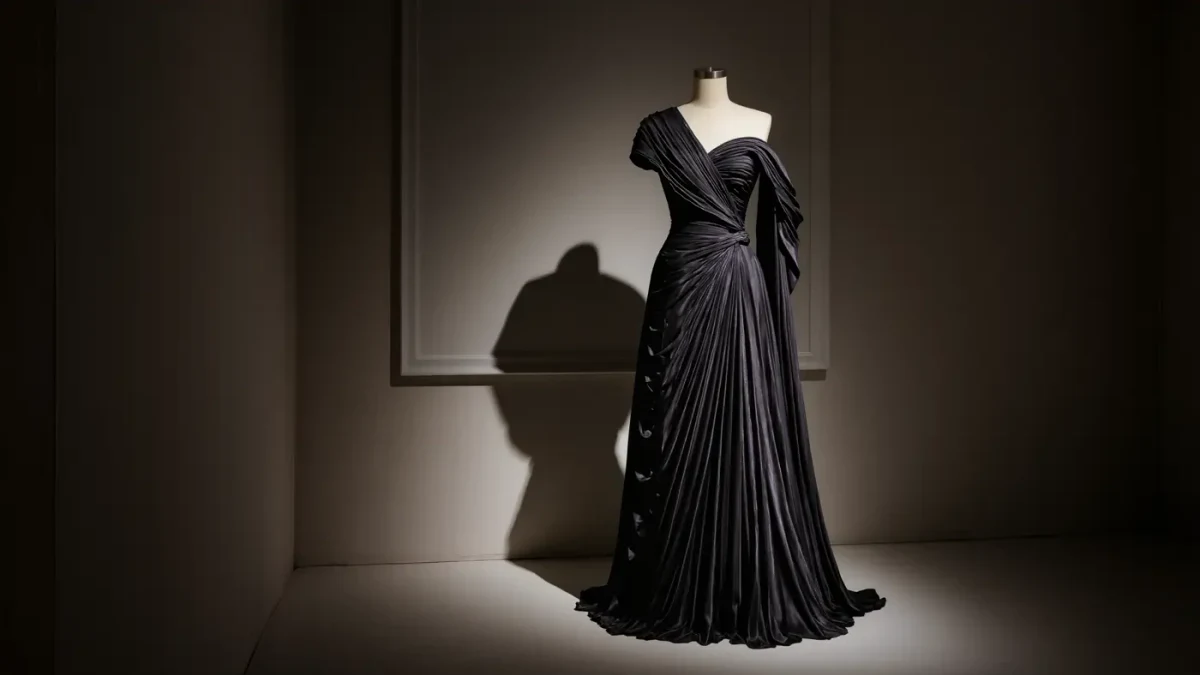
Deliberately loose. Costume curators have described the carpet as a preview of the exhibition's argument rather than a costume party, and the invitation language is calibrated so guests can comply without literal dressing. A garden theme yields embroideries and floral silhouettes as readily as full botanical constructions; a menswear theme yields tailoring across genders rather than suits on one half of the carpet. The most-discussed looks usually push the code to its edge — which is precisely the publicity the institution budgets for.
What happens when a code is ambiguous?
Industry interpretation fills the gap. Stylists, editors and fashion houses read a vague code against the exhibition's source material, interviews by the curator and precedent from prior years, and a consensus reading forms in trade coverage before the event. Ambiguity is not a flaw but a feature: it spreads the code across price points and interpretations, letting a thrifted archive look and a couture commission both qualify. When an institution wants tighter control, it publishes explainer materials — the Met's exhibition press kits effectively function as the code's footnotes.
How do sponsors and brands align with a code?
Brands that have bought tables plan capsule interpretations of the theme for their guests, and timing matters: houses begin themed commissions when the theme becomes public, months ahead. Sponsor integration is usually kept out of the wording itself — a code names an aesthetic, not a partner — but the development office knows which sponsor's identity the theme flatters when the calendar is set. For fashion-adjacent benefits, the code effectively schedules part of an atelier's production year.
Why do non-themed galas still print codes?
Because open-ended dressing raises risk. A standard code — black tie, black tie optional, creative black tie, festive attire — is a crowd-management tool that keeps a thousand guests within a shared register of formality and prevents the photograph that mismatches. Fundraising teams also use the code as a signal of the evening's level to prospective ticket buyers: the stricter the code, the more formal the room, and venues like museums increasingly append practical clauses on footwear for historic floors. The code, in that sense, is part of the event's pricing architecture.
How do guests actually execute a code?
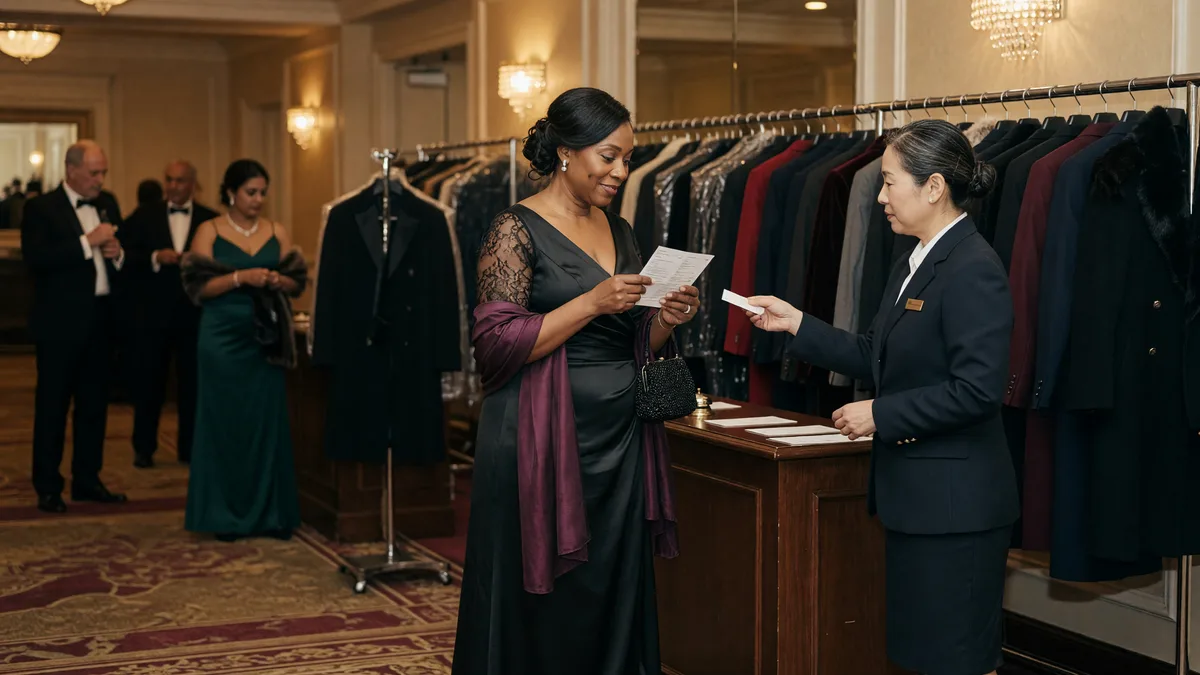
Through teams. A publicist receives the invitation, the stylist translates the code into a concept, fashion houses submit sketches, and fittings begin weeks ahead, with final looks often decided days before travel. Jewelry lending, hair and makeup tests and archive pulls run in parallel — the code is the shared brief all of them work from. When the carpet critic arrives at a look that seemed to ignore the theme, the usual explanation is a calendar problem: the look was commissioned before the code was public.
How did themed dress codes become standard?
Through the Met Gala's annual exhibition cycle, which formalized the practice of tying the evening to a Costume Institute show beginning with its benefit structure in the late 1940s and its themed format under later leadership, per the museum's institutional history. As red-carpet coverage migrated to social platforms, the themed code became an editorial engine — a prompt that generates weeks of interpretation, prediction and post-event analysis at no cost to the institution. Museums and benefit committees elsewhere copied the mechanic at lower stakes: anniversary galas, collection celebrations and award nights now routinely carry a code line that would once have read simply black tie.
What codes do non-museum galas use?
A stable short list. Black tie expects evening gowns and tuxedos; black tie optional widens the range while keeping the ceiling; creative or festive black tie invites thematic accents; cocktail attire lowers formality for younger-donor events; white tie — tailcoat and full-length gown — survives only at a handful of traditional balls. Charity and cultural benefits choose along two axes: the room's average age and the photography the organization wants. The code also disciplines cost — a formal ceiling keeps the event from becoming a competition guests cannot afford to enter.
How strict is enforcement?
Almost never at the door, almost always in coverage. Institutions do not turn away paying guests for a loose interpretation of a theme; the social cost is delegated to the next day's photo galleries. The rare hard lines are practical rather than aesthetic — venue rules on footwear to protect historic floors, jacket requirements in club dining rooms, and safety restrictions on accessories near open flames or delicate objects. Everything else is enforced by mutual understanding: guests who ignore the code are readable in every group photograph, which is sanction enough.
What does a dress code do for the host institution?
It produces coherence. A thousand guests inside one register of formality read as a single event rather than a thousand private choices, and the resulting imagery serves the institution's brand for a year — invitations, annual reports and next season's sponsor decks are built from those photographs. The code also marks the evening as separate from ordinary life, which fundraisers argue has monetary value: guests who dressed for the occasion behave like guests at an occasion, and the room's generosity tends to follow its formality.