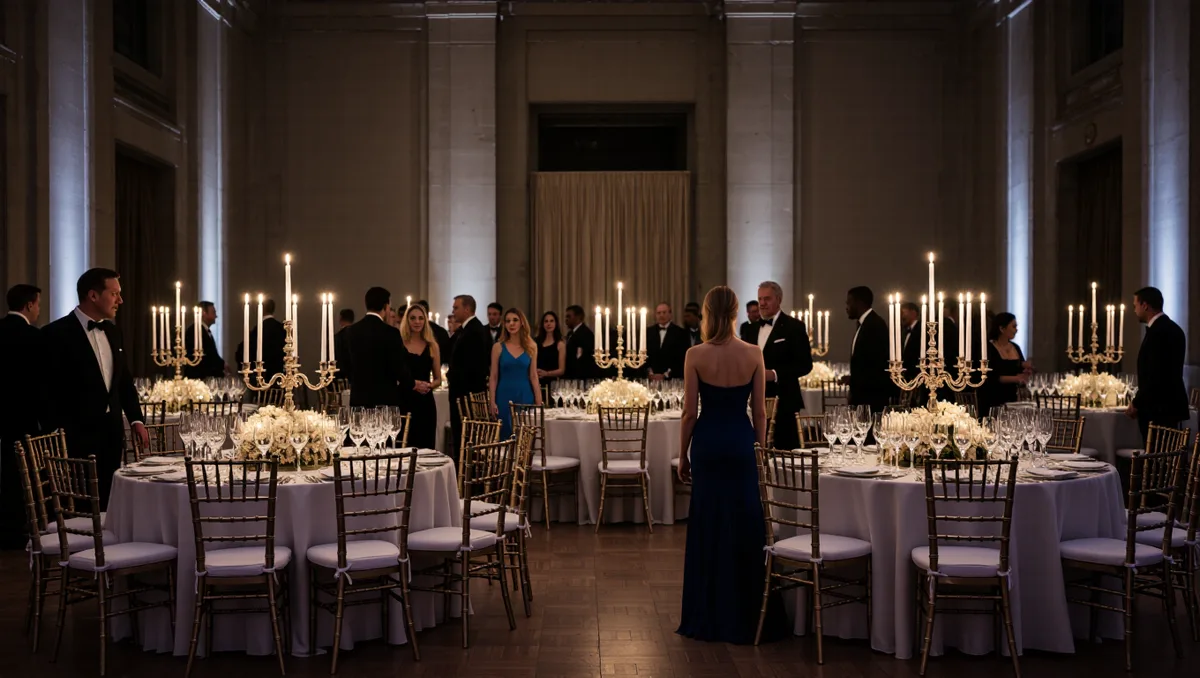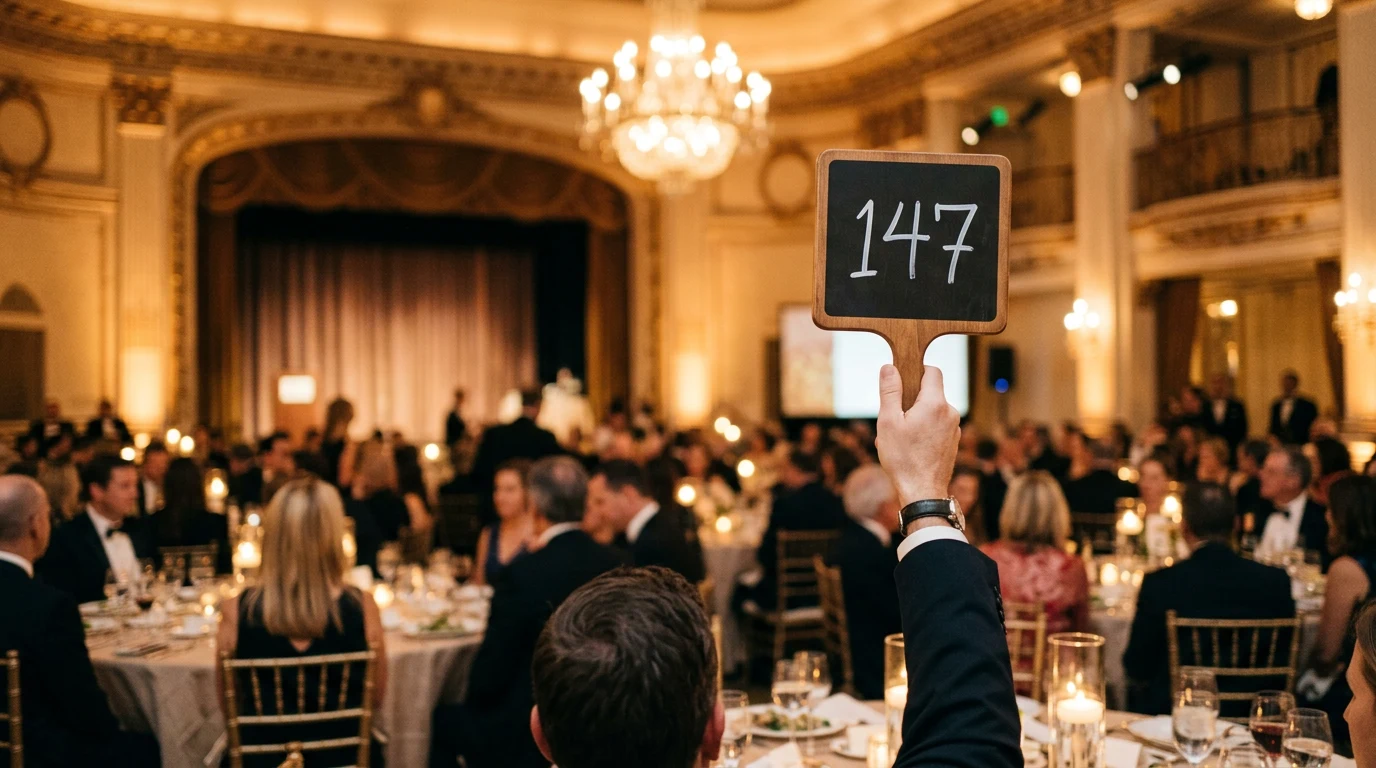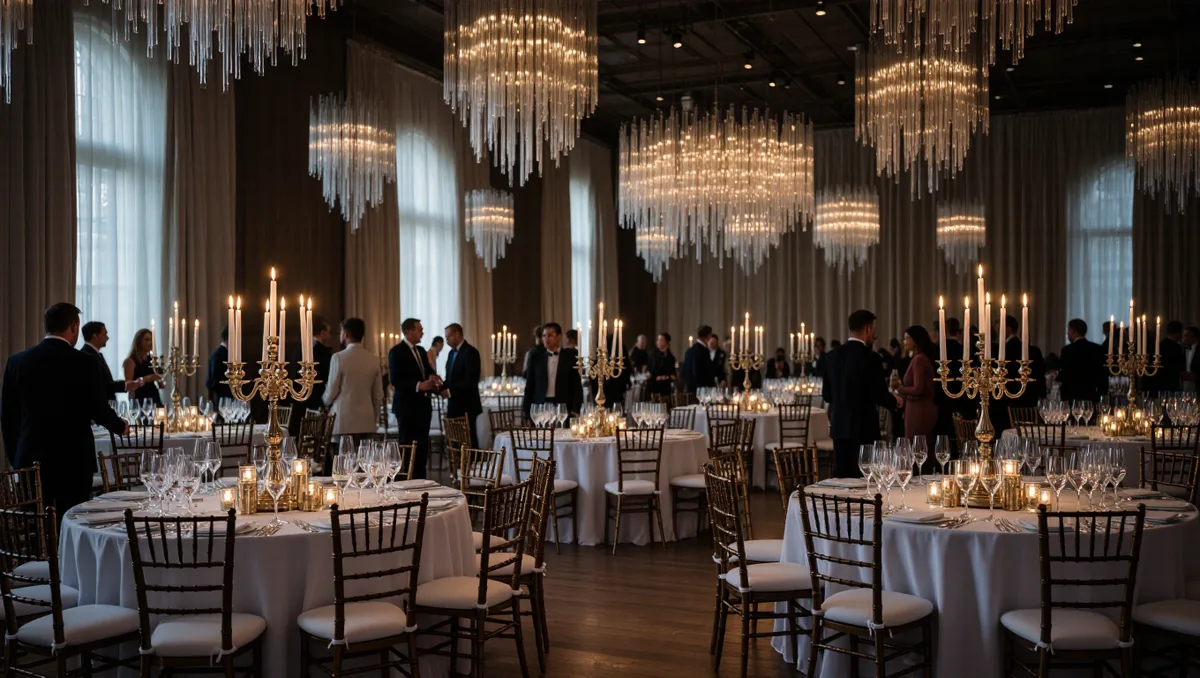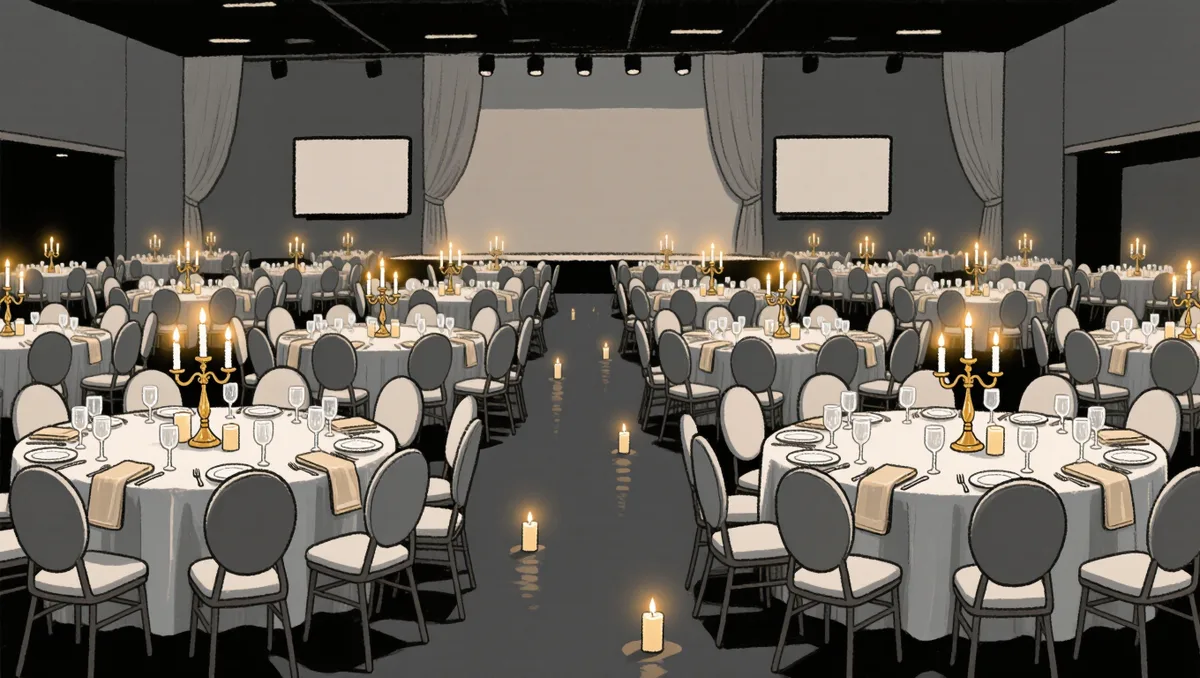
After a gala ends, its decor enters a planned afterlife rather than a dumpster. Flowers are re-cut and donated to hospitals, care homes and shelters through dedicated redistribution services; rented furniture and tableware return to warehouses for the next event; set pieces are struck for storage, resale or donation; and residual materials are sorted under waste contracts that cities and venues increasingly mandate. Per sustainability policies published by major event venues and florist redistribution organizations, the strike is planned at the same time as the design — what happens after the party is now a design brief, not an afterthought.
What happens to the flowers?
They are the most perishable asset and the most reliably donated. Charity florist services collect arrangements the morning after an event, re-condition the stems, rework them into smaller bouquets and deliver them to hospitals, hospices, care facilities and women's shelters the same day, per the operating descriptions of flower redistribution charities in major cities. Practical constraints apply — arrangements with food contact, broken stems or heavily scented blooms may be skipped — and planners who want donation must design for it: clean water sources, no floral foam glued to vessels, arrangements that survive a night without care.
Where does the rented furniture go?
Back to the rental house, on the truck that arrives as guests leave. The gala economy runs overwhelmingly on rental — tables, chairs, linens, china, glassware, staging and lounge furniture are leased from event rental companies whose business model depends on rapid turnaround, per rental-industry logistics practice. Items are checked for damage against the order, cleaned or replaced, and re-enter inventory for the next client. The rental loop is the oldest circular economy in events, and it is enforced by deposits rather than sentiment.
- Flowers are collected and re-donated to hospitals and shelters by charity florist services.
- Rented furniture, linens and tableware return to warehouse inventory overnight.
- Custom set pieces are stored, resold or donated by the producer.
- Waste contracts and venue policies govern sorting and recycling after strike.
What about custom builds and set pieces?
They follow a value decision made during production planning. A branded environment for a single night may be designed for storage and reuse across a client's event calendar, built from modular components the producer warehouses; one-off scenic builds are typically struck and separated into material streams — lumber, metal, fabric, acrylic — under recycling contracts. Per event-production sustainability programs, the trend is modular by default, and some producers now list reuse rates for scenic builds in their post-event reports. What cannot be reused is at least documented: landfill diversion figures are becoming standard in venue sustainability disclosures.
Who pays for the afterlife?
It is a line in the event budget, and increasingly a required one. Donation logistics cost labor and transport; sustainable material choices can cost more than conventional ones; and certified waste handling is billed by weight and stream. Per event-planning sustainability guidance, planners typically fund this either as a production line item or through the venue's packaged services, and corporate hosts increasingly book it deliberately — the post-gala donation is now part of the event's public story, appearing in the host organization's own coverage and, for nonprofit galas, in donor communications.
How do venues influence what gets kept?
Through policy and contracts. Major event venues — concert halls, museums, hotel ballrooms — publish sustainability requirements covering waste separation, donations and material restrictions, and some maintain lists of approved donation partners, per their published event guidelines. A venue that requires a waste plan and a diversion report changes producer behavior upstream: designers specify materials they can account for. City-level rules push in the same direction in jurisdictions with commercial organics and construction-debris recycling mandates.
What is genuinely thrown away?
Less than outsiders assume, but not nothing. The honest waste stream includes contaminated or damaged florals, single-use plastics where they persist, adhesives and foams that have no recycling market, and food waste where composting infrastructure is absent — food being, per event-sustainability reporting, the largest organics stream a gala generates and the one most often improved first, through donation partners and precise guest counts.
Why has this become visible now?
Because waste is the easiest sustainability claim an event can make, and claims invite verification. Luxury galas sit at an awkward intersection — conspicuous abundance staged for charitable or brand purposes — and both nonprofit donors and corporate stakeholders now expect the abundance to be accounted for. Per sustainability standards adopted across the events industry, credible programs measure diversion, name their donation partners and report results rather than gestures. The morning-after truck to the hospital is no longer a nice footnote; it is part of the deliverable.
How do planners design for donation in advance?
By writing the afterlife into the brief. Planners who intend to donate florals choose hardy stems over delicate ones, order arrangements in vessels the charity can keep or return, avoid glued foam and dyed water, and schedule the collection vehicle before the design is finalized, per planning guidance from flower redistribution charities. The same logic applies across the room: linens in standard sizes re-rent easily, modular staging re-stores cheaply, and printed signage with the event date is being displaced by reusable and digital displays precisely because dated graphics are waste on arrival. Designers describe the discipline as planning the strike first and the reveal second.
What about the food?
It is the largest donation stream and the most regulated. Prepared-food donation to shelters is legal and encouraged in many jurisdictions under good-faith donor protections, but requires food-safety handling, timely pickup and partner coordination, per food-recovery organization guidance. Galas with plated service generate limited salvageable surplus because portions are individual; buffet and reception formats generate more, and professional events now contract food-recovery partners in advance the way they contract caterers. Where donation is impossible, organics recycling is the fallback — and the reporting line venues increasingly audit.
Does any of this change what a gala looks like?
Slowly, yes. Sustainability constraints push design toward potted and living plants that are gifted or planted afterward, toward rental and vintage tableware in place of custom pieces, and toward scenic elements that photograph as bespoke while disassembling into standard components. None of this reads as austerity at the top end of the market — the most photographed galas now lean on abundance of living material precisely because it donates cleanly. The decor’s second life has quietly become part of its first impression.