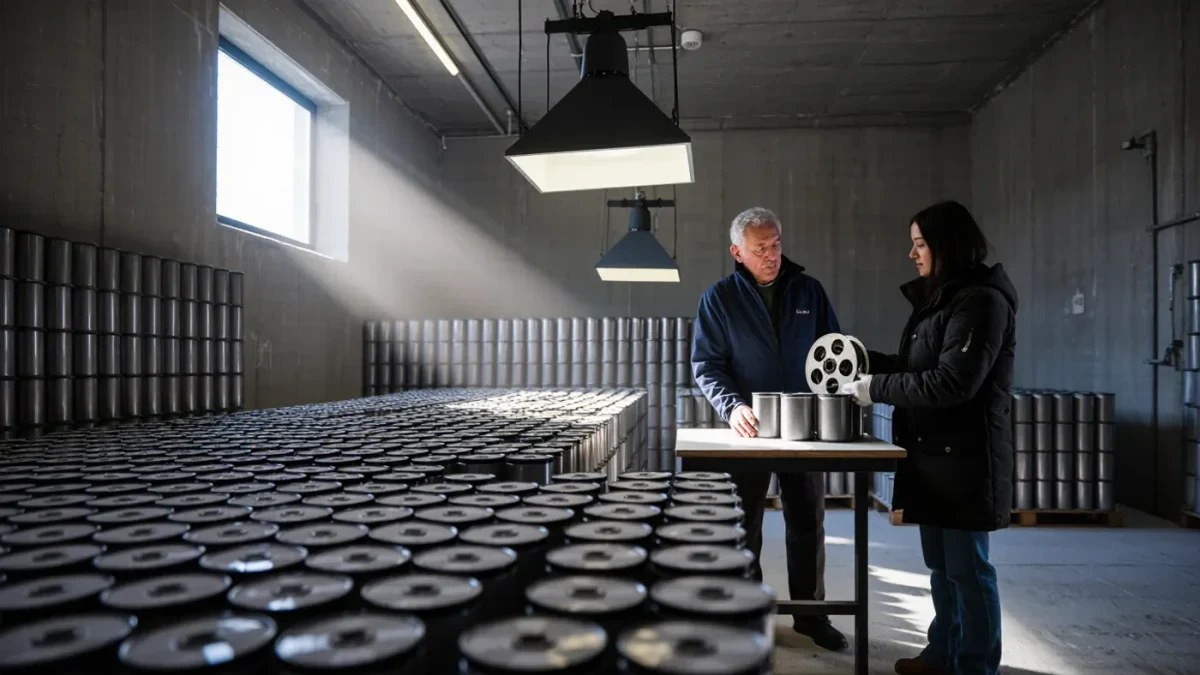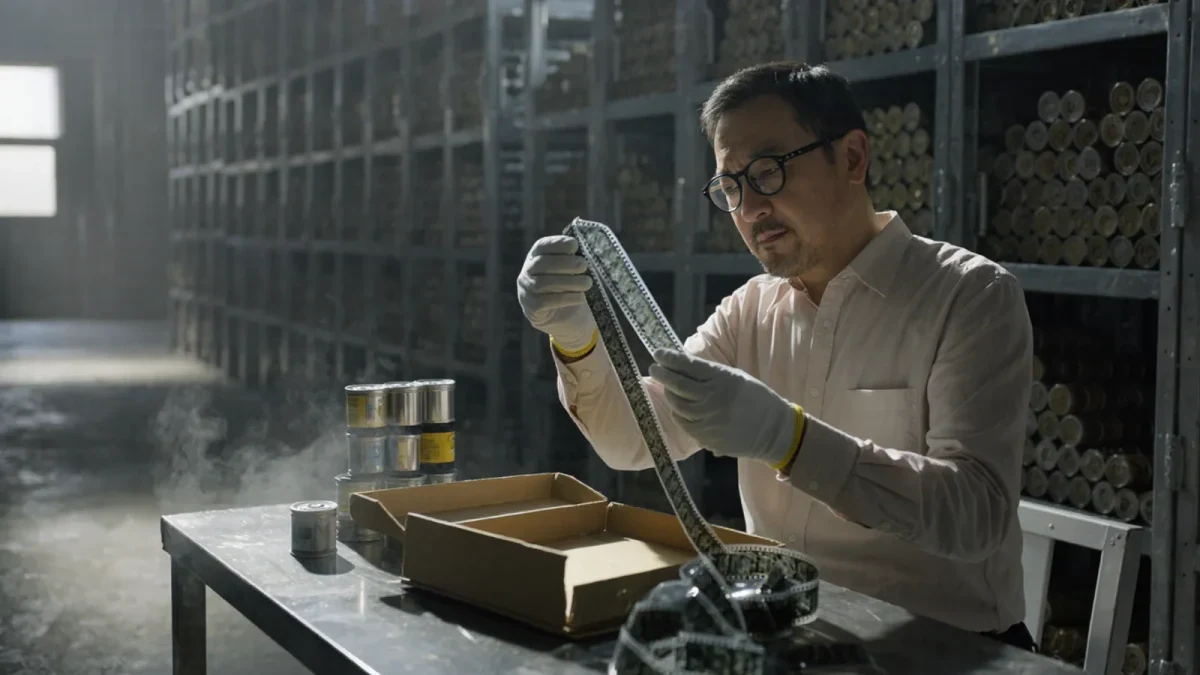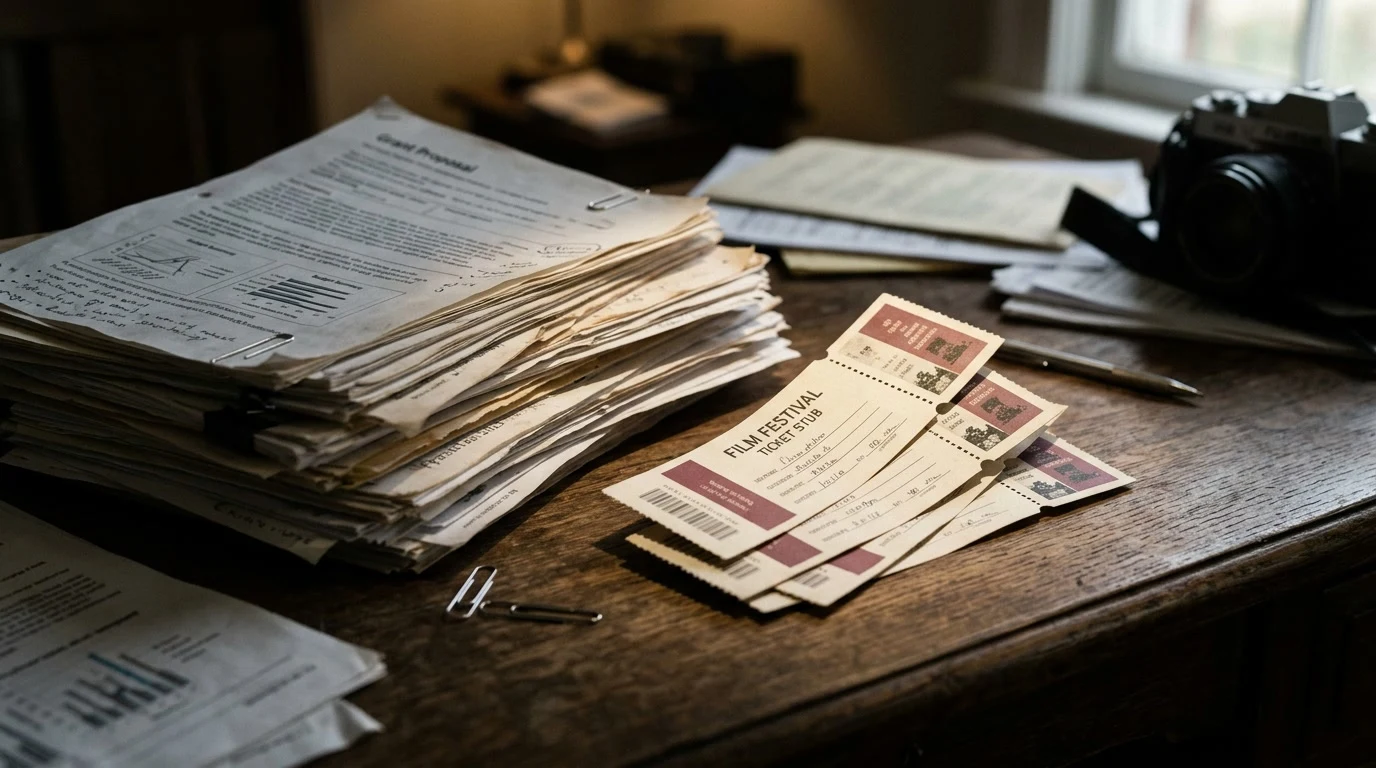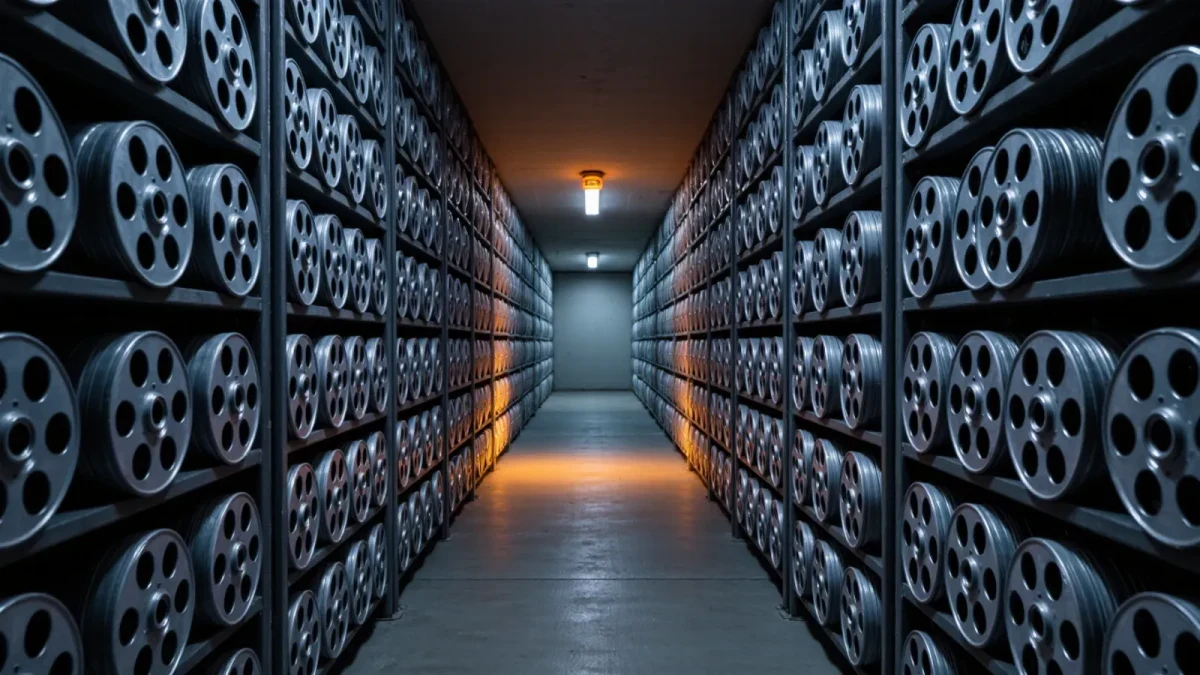
Film preservation is funded through a patchwork of grants rather than a single program. The federal layer is the National Film Preservation Foundation, the nonprofit Congress created in 1996 to support preservation of films not protected by commercial interests, alongside the Library of Congress's own programs. Private money flows through The Film Foundation, the Martin Scorsese-founded nonprofit, and through archive-donor relationships. Each grant funds a defined piece of work — labor, stock, storage — on a defined list of films.
What is the National Film Preservation Board and the Registry?
The National Film Preservation Board, established by Congress in 1988 and administered through the Library of Congress, oversees the National Film Registry — the annual selection of up to 25 films deemed culturally, historically or aesthetically significant. Registry selection is an honor and a signal, but it does not itself fund anything: the Library pursues preservation of Registry titles through its own programs, while the selection directs public and donor attention toward films at risk. Anyone can nominate a film; the Librarian of Congress makes the final selections, announced each December.
What does the National Film Preservation Foundation fund?
The NFPF, the Congressionally chartered grant-making nonprofit, awards cash grants to archives — public and nonprofit institutions, not individuals or federal entities — for preservation of American films otherwise unlikely to survive, with an emphasis on orphan films: home movies, industrial films, silent-era shorts, documentaries and locally made works with no commercial owner. Its laboratory grants partner archives with laboratories to complete preservation work, and the Foundation reports having supported preservation of thousands of films since its creation.
Who can apply, and for what?
- Eligible applicants: nonprofit and public archives in the United States; the NFPF does not award grants to individuals or for-profit entities.
- Funded work: creation of new preservation elements and public-access copies — laboratory duplication, digital scanning and transfer, subtitle or intertitle reconstruction.
- Matching logic: grants typically cover direct laboratory costs; institutions contribute staff time, storage and access.
- Reporting: grantees document the elements created and provide public access to the preserved material, often through screenings or streaming on archive platforms.
How does The Film Foundation's money work?
The Film Foundation raises funds from donors, corporate partners and licensing of restored titles, then channels them to archives and studios for specific restorations — its published count exceeds 1,000 films restored since 1990. Its grants tend to fund higher-profile restorations of features and classics, complementing the NFPF's orphan-film focus. The Foundation also funds training, notably through the L. Jeffrey Selznick School at the George Eastman Museum, building the specialist workforce the field depends on.
What do studios and streamers preserve, and why?
Studios preserve their own libraries as commercial assets — a restored classic can be licensed, screened and resold indefinitely, which makes preservation a business decision as much as a cultural one. Streamers, which generally license rather than own most catalog, fund preservation indirectly through licensing revenue to rightsholders. The gap in the system is films with lapsed ownership: orphan works with no commercial owner depend entirely on the grant economy and on archives volunteering to house them.
How is a preservation grant application actually judged?
On risk, significance and feasibility. Reviewers weigh the rarity of the surviving elements and the urgency of their decay — nitrate deterioration, vinegar syndrome — against the historical or cultural importance of the title and the archive's capacity to complete and provide access to the work. Budgets are scrutinized line by line against laboratory rates. Practitioners describe the process as triage: there is always more at-risk film than grant money in any year.
How much money are we talking about?
Small sums, relative to the industry they serve. Federal support for the NFPF has historically been modest — annual appropriations in the low hundreds of thousands of dollars, supplemented by private funds the Foundation raises. Individual preservation grants commonly run in the tens of thousands of dollars, enough to preserve a short or a single feature's elements. Full commercial 4K restorations of damaged features, which can cost hundreds of thousands, are mostly funded by studios and major donors rather than grant pools.
Where do the preserved films go afterward?
Into archives and, increasingly, onto screens. Grantees provide access copies; the NFPF has distributed DVD sets of preserved orphan films; archives screen preserved work at retrospectives; and the Library of Congress makes selections from its collections available through its streaming and exhibition programs. Access is a condition of funding — the point of the grant economy is not to freeze film in vaults but to return it to public view.
Why does this system matter?
Because it is the only safety net for most of cinema's record. Commercial libraries preserve what they own; the grant system preserves what nobody owns — the local television, the regional documentary, the home movie that turns out to be the only footage of a vanished place. Registry recognition raises the flag; the foundations and archives do the work.
How do archives prepare winning applications?
With condition detail and provenance. Successful applications document what survives — formats, generations, running times — and what makes the title significant locally or nationally, supported by research context. Reviewers reward specificity: a lab quote, a decay assessment, a clear plan for the new elements and where the public access copy will live. Archivists describe the strongest applications as those that make the risk tangible, showing that delay itself has a cost in frames lost per year.
Can donors direct preservation money to specific films?
To a degree. Major gifts frequently name a purpose — a filmmaker's oeuvre, a national cinema, a genre — and foundations structure funds accordingly, which is why some eras and regions are better preserved than others. Grant committees still apply curatorial judgment within a donor's intent, and archives balance directed money against orphan films with no constituency. The result, practitioners acknowledge, is a preservation record shaped partly by taste and philanthropy, not only by scholarly priority.
How long does a funded preservation take?
Months to years, from award to access. After a grant is announced, the archive schedules laboratory time — itself a bottleneck, as specialized photochemical labs operate at capacity — then inspects, cleans and duplicates elements, quality-checks the new master and produces the access copy. Final reports and public presentations close the grant. Grantees describe a typical single-title project running six to eighteen months, with titles needing extensive reconstruction stretching well beyond the grant period itself.