A celebrity foundation is, before anything else, a tax entity. In the United States that usually means a 501(c)(3) private foundation registered with the IRS, required to file an annual Form 990-PF, distribute roughly five percent of investment assets each year in qualifying grants, and disclose its officers, top expenses and largest recipients to anyone who asks. The celebrity lends the name; the structure, not the fame, decides where the money goes.
What legal form do celebrity foundations take?
Most are private foundations, a vehicle funded primarily by one person, one family or a small circle. A handful of stars instead operate donor-advised funds or public charities, which face different tests but lighter payout discipline. The choice is made with counsel at formation and shapes everything downstream, from audit obligations to how quickly money must leave the door.
The private foundation route carries advantages that advisors cite routinely: the founder can contribute appreciated stock, deduct a larger share of income than with cash gifts to public charities, and keep control of grantmaking inside a board they appoint. The price is regulatory. Excise taxes on net investment income, prohibition on self-dealing, and the annual distribution requirement all apply from year one.
What does the Form 990 actually reveal?
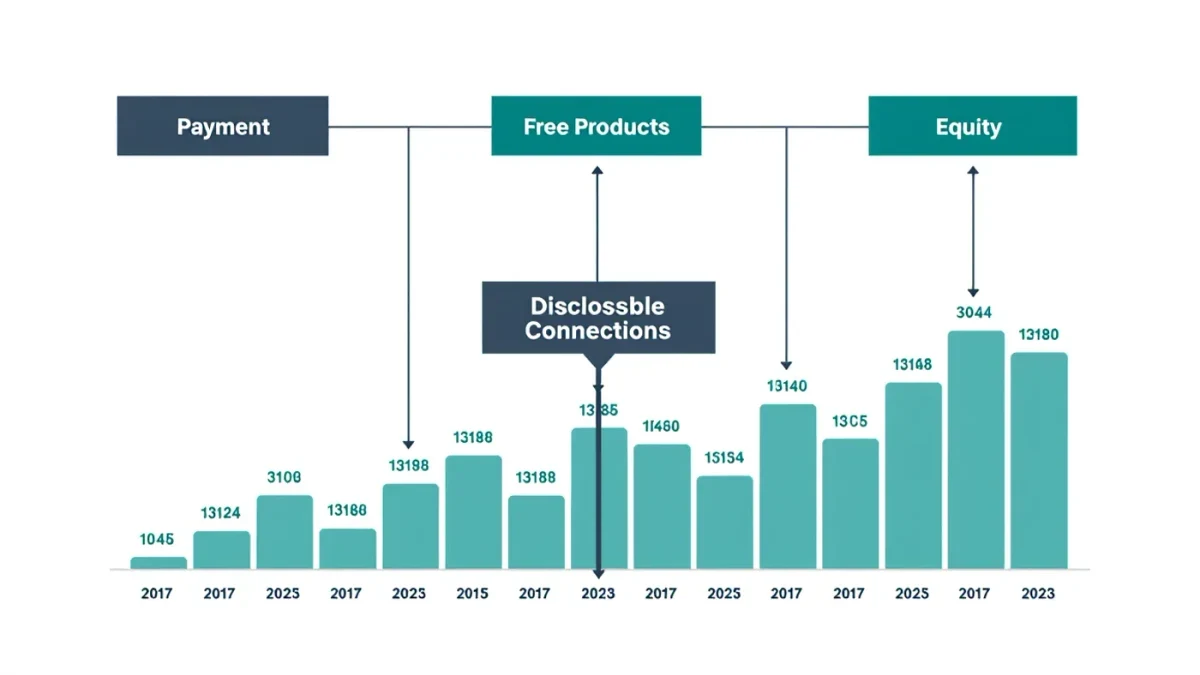
The Form 990-PF is the public ledger of a foundation. It lists total revenue, total expenses, assets at book value, the five highest compensated employees, any grants paid to individuals, and a full schedule of grant recipients with dollar amounts. A journalist or donor can pull three consecutive filings and see whether giving is rising, stalled, or concentrated in a single favored charity.
The form also exposes friction. Large salaries for family members on staff, consulting fees paid to entities connected to the founder, or years where expenses on galas outpace grants all appear in the same document. Public filings end most arguments about what a foundation does, because the numbers are signed under penalty of perjury by an officer of the entity.
Who actually runs the foundation day to day?
Almost never the celebrity. Governance sits with a board of directors, frequently three to five people, which can legally include the star. Operations are typically delegated to an executive director, sometimes a single program officer, and an outside accountant and attorney on retainer. Smaller foundations run on a staff of one or two; larger ones, such as those attached to career philanthropists, can employ a dozen professionals.
- Board of directors: approves grants, signs filings, holds fiduciary duty.
- Executive director: manages staff, strategy and the grant calendar.
- External counsel and auditors: keep the entity inside IRS and state rules.
- The founder: sets mission, lends the name, often funds the endowment.
How does a grant cycle work?
Foundations that accept outside proposals run an annual rhythm: a published application window, staff review, board votes, then checks issued in batches. Many celebrity foundations do the opposite and operate as pass-throughs, meaning they do not accept unsolicited applications at all. They identify recipients through the founder's network, verify status, and disburse.
A typical cycle starts with budgeting in the final quarter, board approval of a grant docket, disbursement before the fiscal year closes to satisfy the payout rule, and then reporting. Recipient organizations above certain thresholds receive grant agreements that may require the money be used for a specific program, and some filings require confirmation the funds were spent as intended.
Where does the money actually go?
Three patterns dominate. The first is direct grants to operating charities, visible line by line in the 990 schedule. The second is disaster response, where foundations move quickly by wiring funds to established relief organizations. The third is event-driven giving, where the foundation is the beneficiary of a gala and then re-grants the proceeds, minus the cost of the event, over the following year.
Observers should distinguish commitments from disbursements. A pledge announced on a red carpet may not appear in a filing for one or two cycles, either because the payment is staged or because the pledge was made personally rather than through the foundation. The filing, not the press release, is the record.
What are the common criticisms?
Critics of the model point to overhead ratios, meaning the share of spending absorbed by salaries, events and travel rather than grants. Others note that a foundation can satisfy the payout requirement in ways that burnish the founder's brand as much as they serve the mission. Regulators, for their part, focus on narrower violations: self-dealing, inaccurate filings, and political activity, each carrying excise taxes that can reach the founder personally.
The filing, not the press release, is the record of what a foundation did in any given year.
How can a reader check a star's foundation?
The primary sources are free. IRS Form 990-PF filings are searchable through public databases, and many foundations post annual reports and audited statements on their own sites. Comparing three years of filings shows trajectory; comparing grants to event costs shows efficiency; comparing board composition shows independence. Twenty minutes of reading turns a headline about generosity into a documented answer.
What does it cost to run one?
Operating costs scale with ambition. A foundation that makes twenty grants a year from a home office can run on a part-time administrator and an accountant. A foundation with programs, staff and an annual gala carries payroll, insurance, rent, audit and legal retainers, and those figures appear on the 990-PF in standardized categories that make comparison easy. There is no single correct overhead ratio, but there is a disclosed one.
Endowment strategy explains another cost line. Foundations above a certain scale invest their corpus, and investment management fees, listed separately on the return, can rival program staff payroll. The trade is deliberate: managed well, the endowment funds giving in perpetuity; managed expensively, it becomes the line item critics cite first.
Why do some stars close their foundations?
Foundations wind down for rational reasons more often than scandalous ones. A star may convert to a donor-advised fund to shed administrative burden, merge into a larger institution to gain grantmaking infrastructure, or shutter after the founding mission is met. Filings announce the closure through final-year distributions and a dissolution schedule, and the pattern of final grants often signals intent: spend down into a small number of aligned organizations rather than trickle to zero.